Image gallery
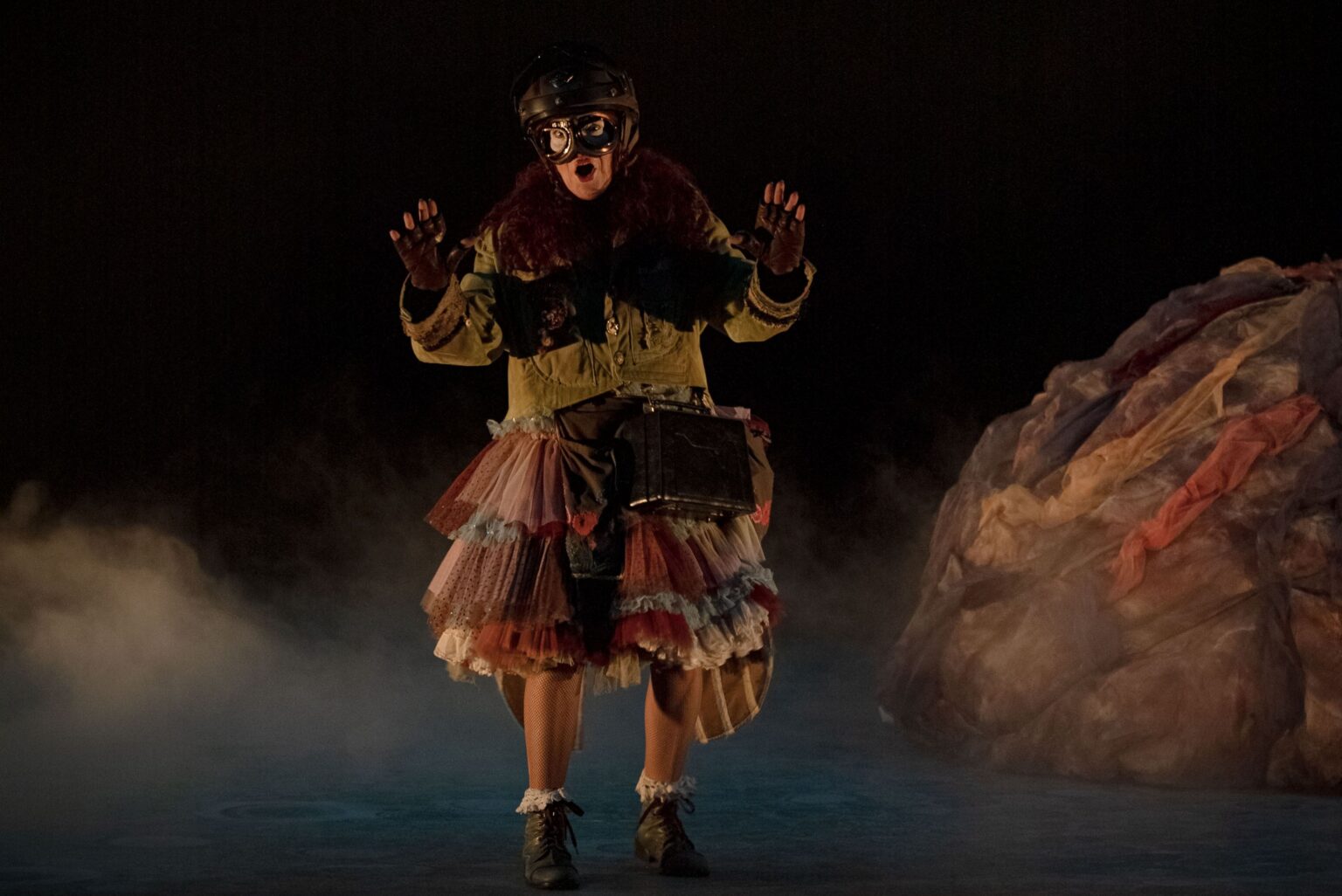
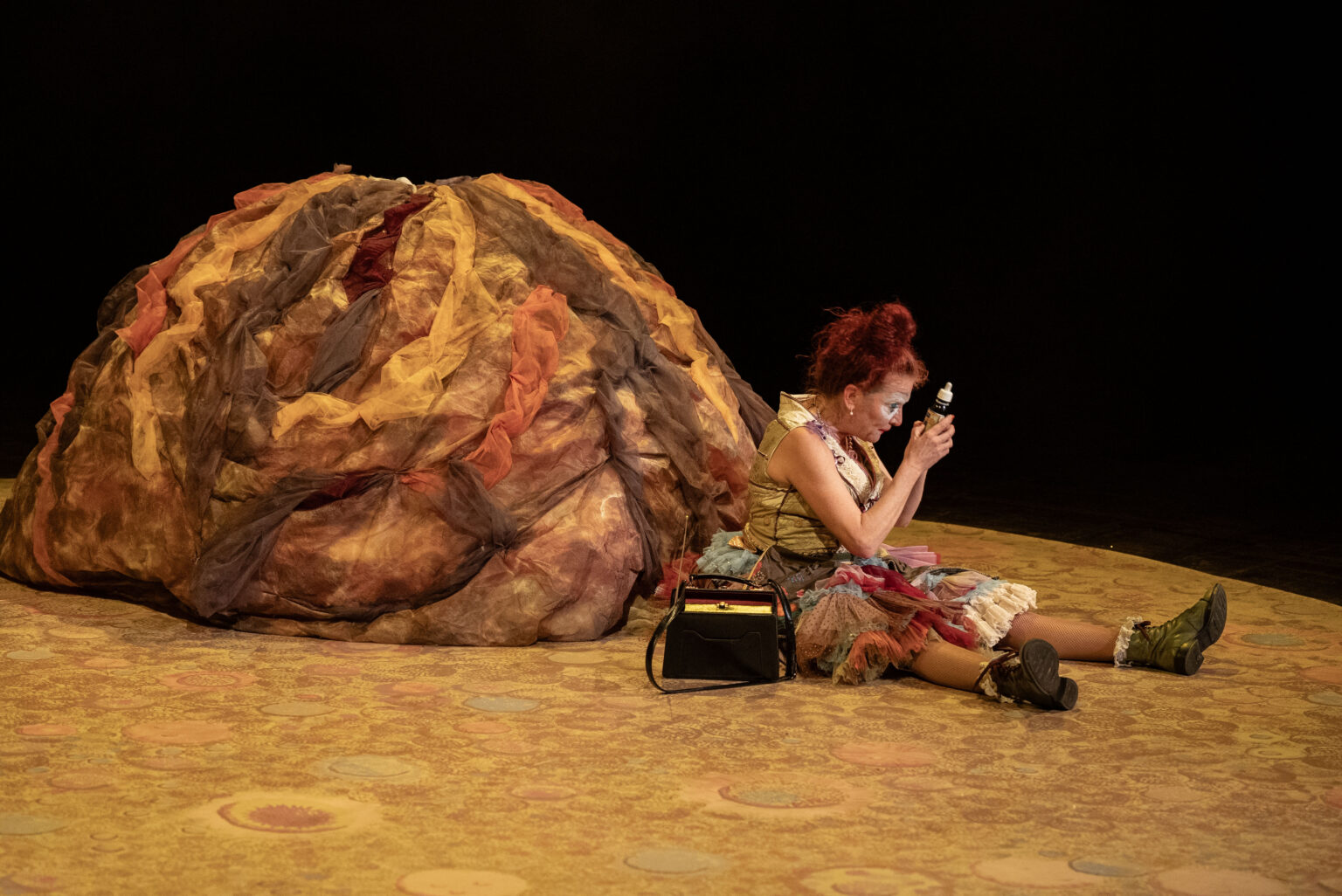
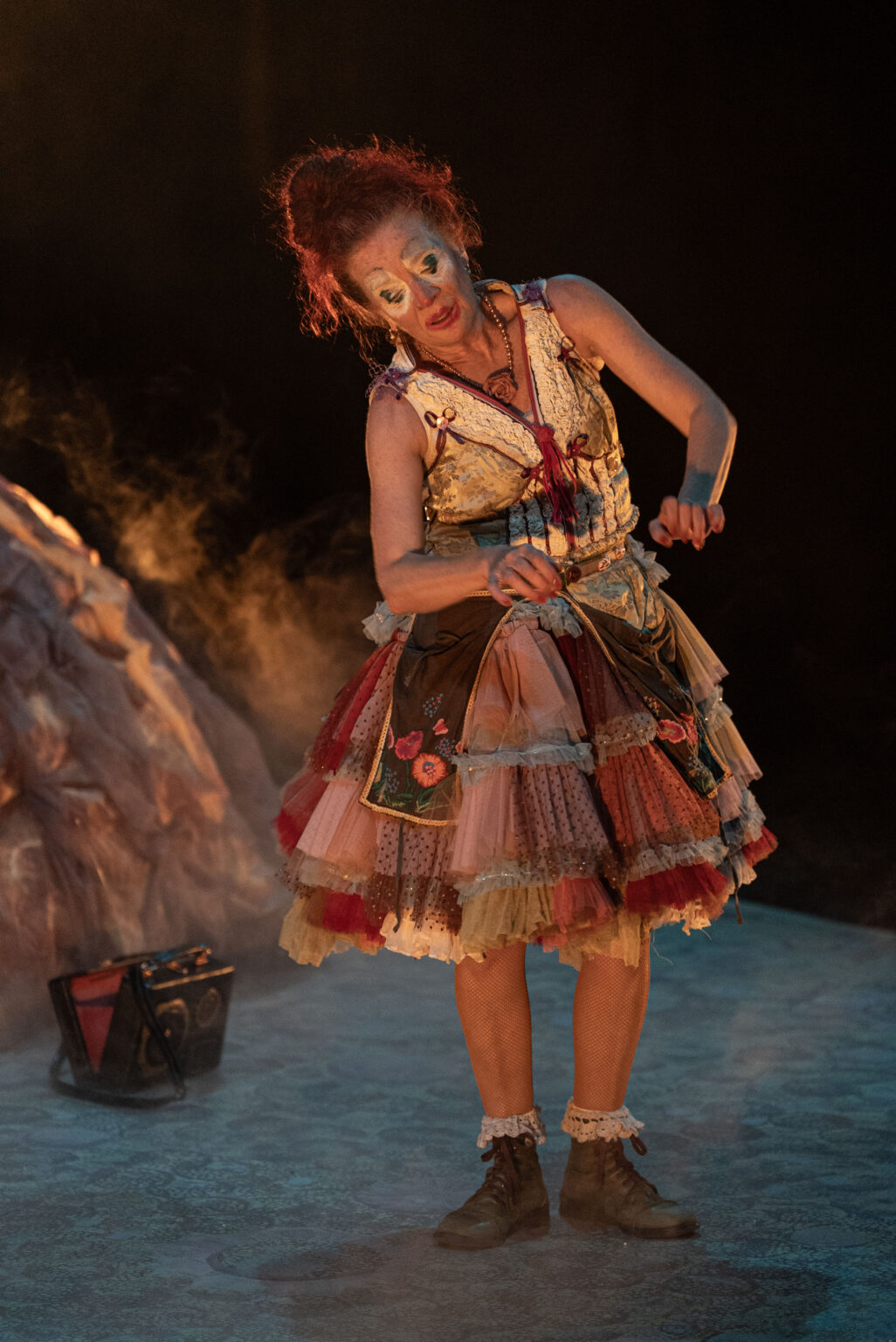
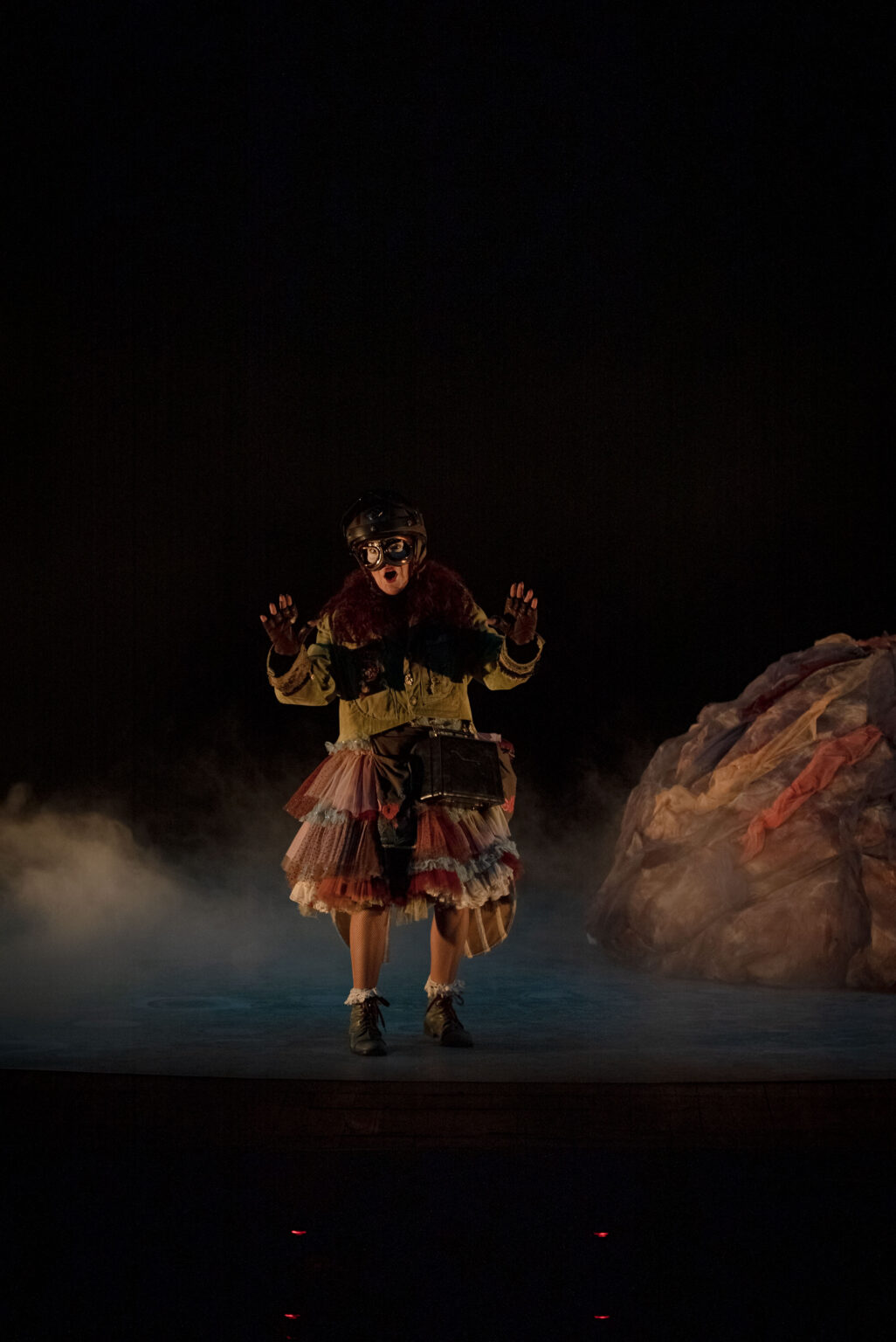
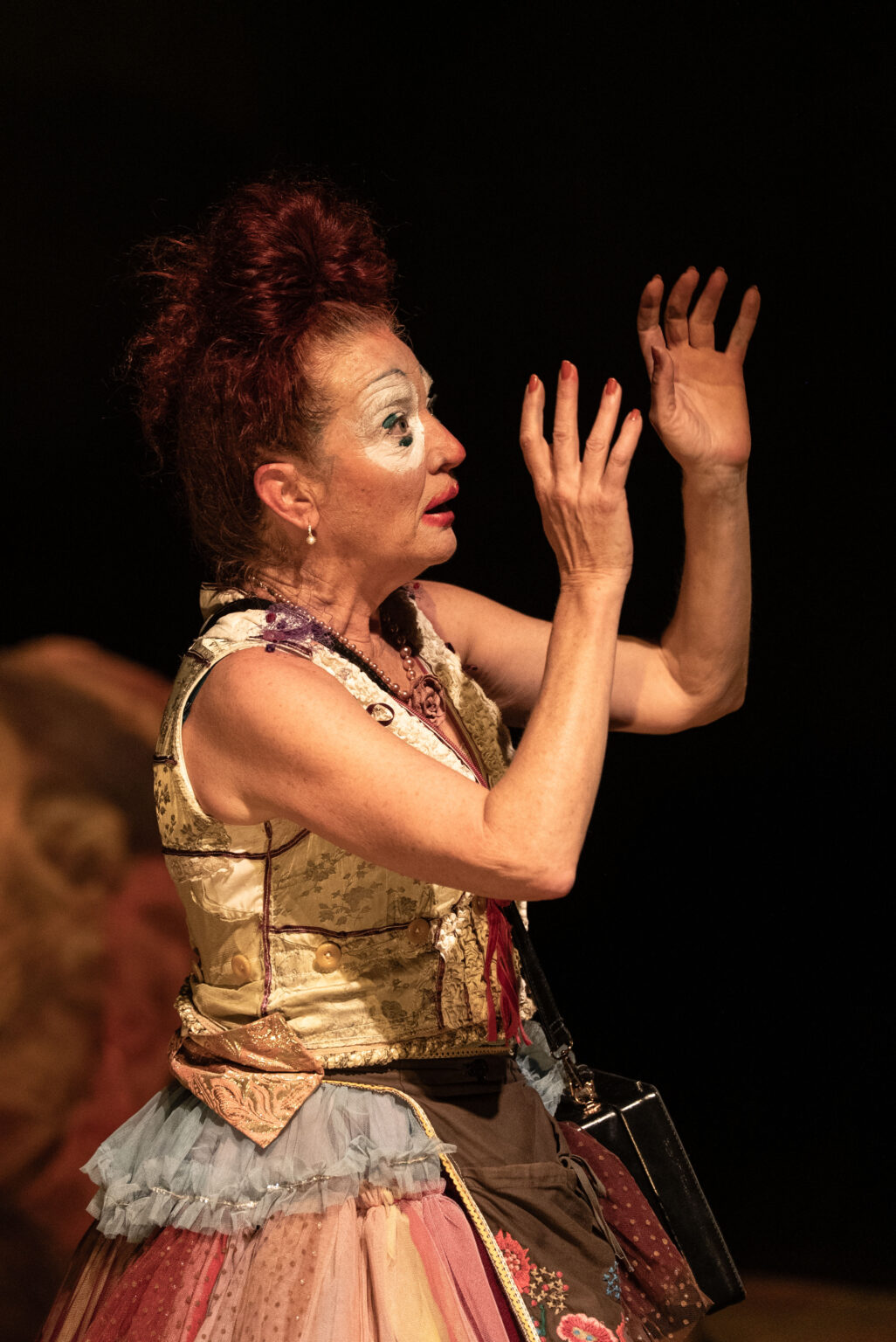
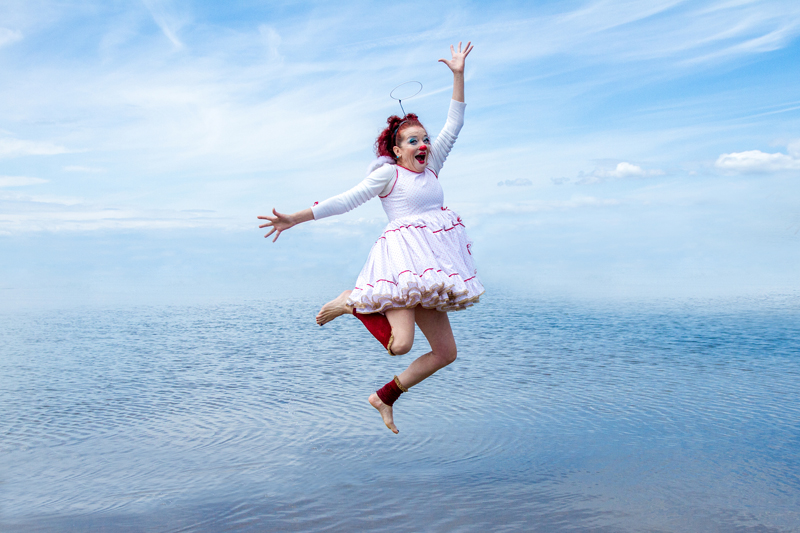
With At Every Step is a poetic and absurdist journey through the rediscovery of the world. What would have happened if Winnie -the unforgettable protagonist of Samuel Beckett’s Happy Days, had been able to fly away and escape from her mound of sand? Equally clinging to her quirks and her incessant optimism. With humor, tenderness and the naive gaze of a clown, the work transforms the existential absurdity, where every discovery is a small miracle and every fall, a new opportunity to fly. With At Every Step plays with fragility and resilience, with solitude and the beauty of the journey, taking the audience on a ride that is as comical as it is moving.
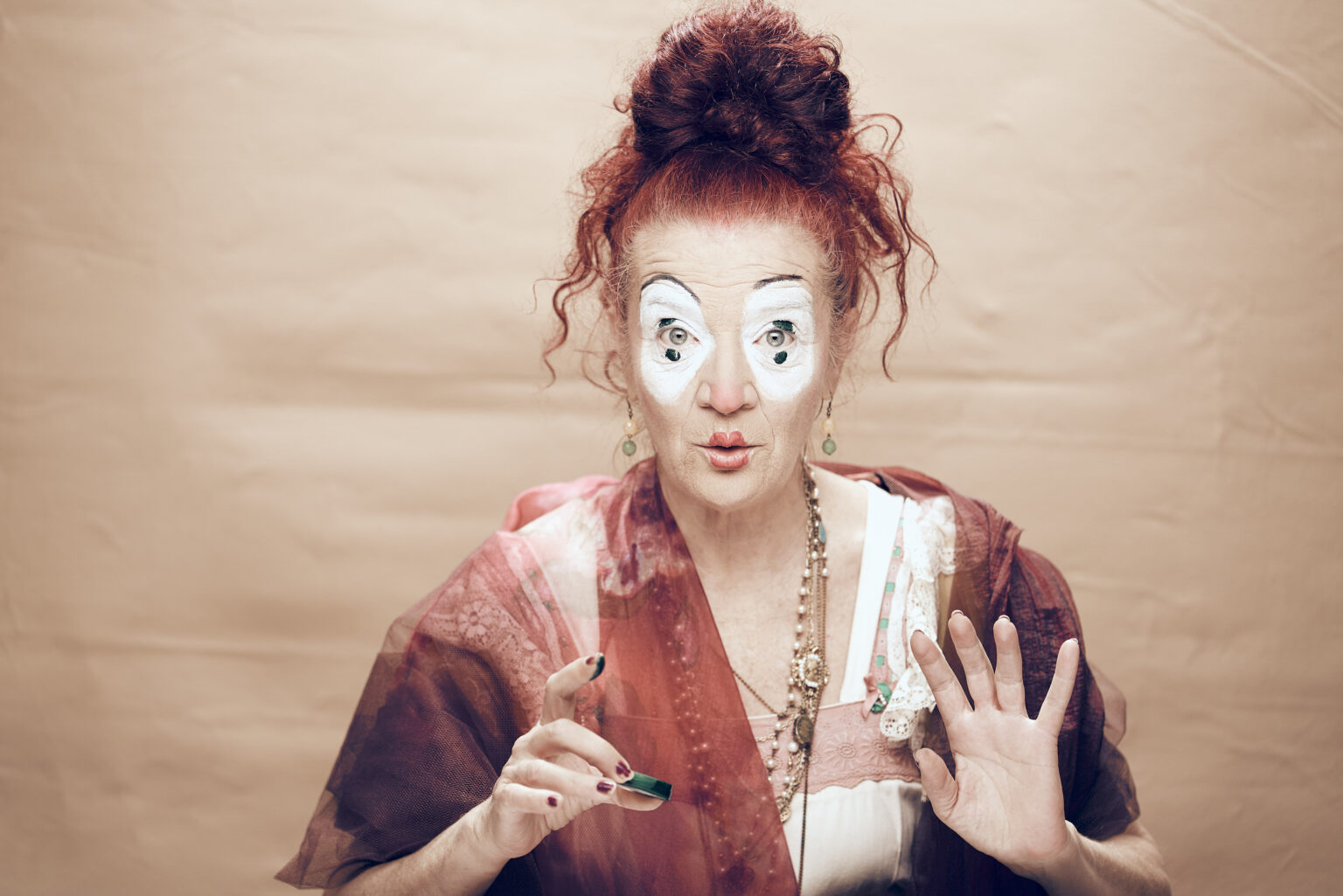
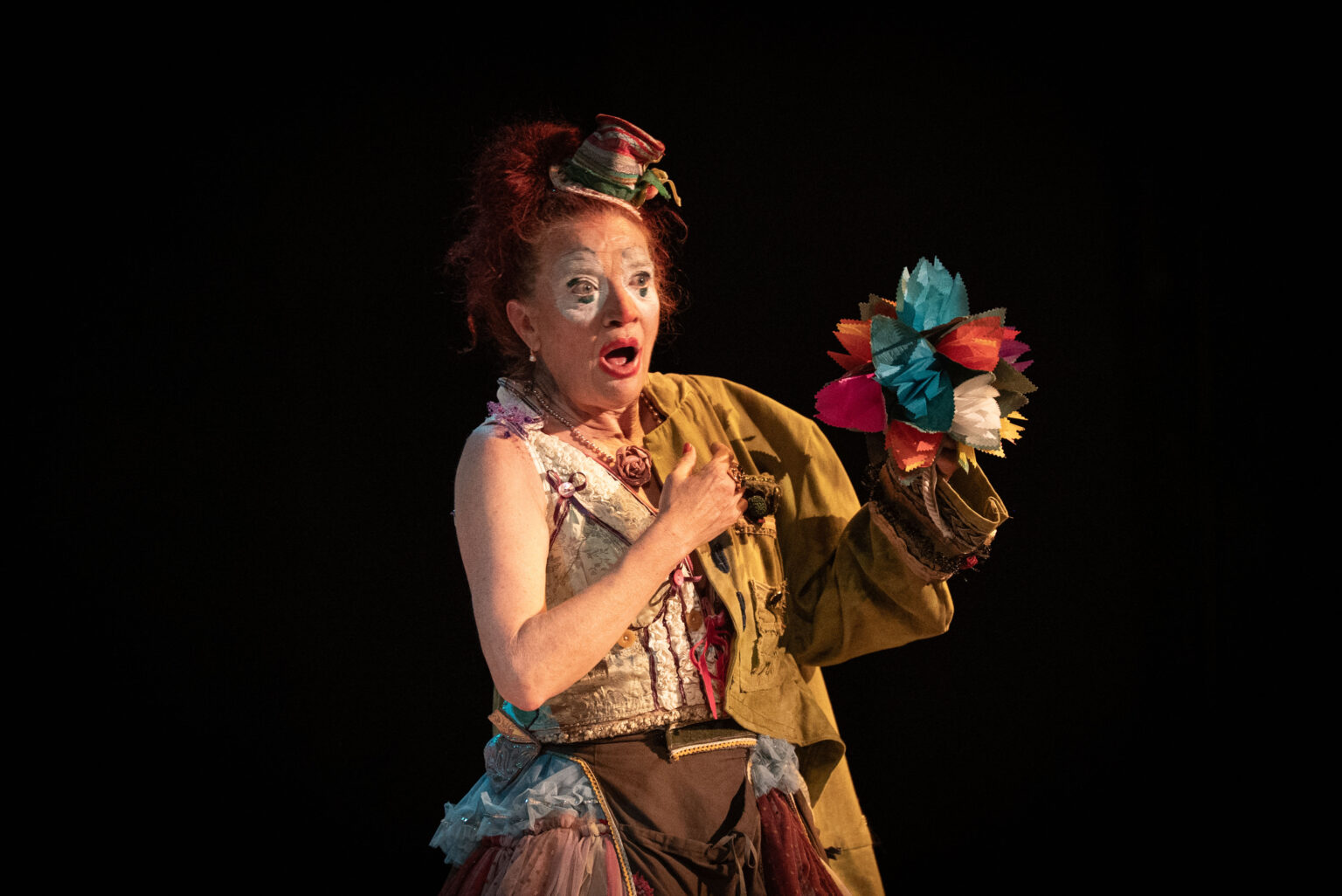
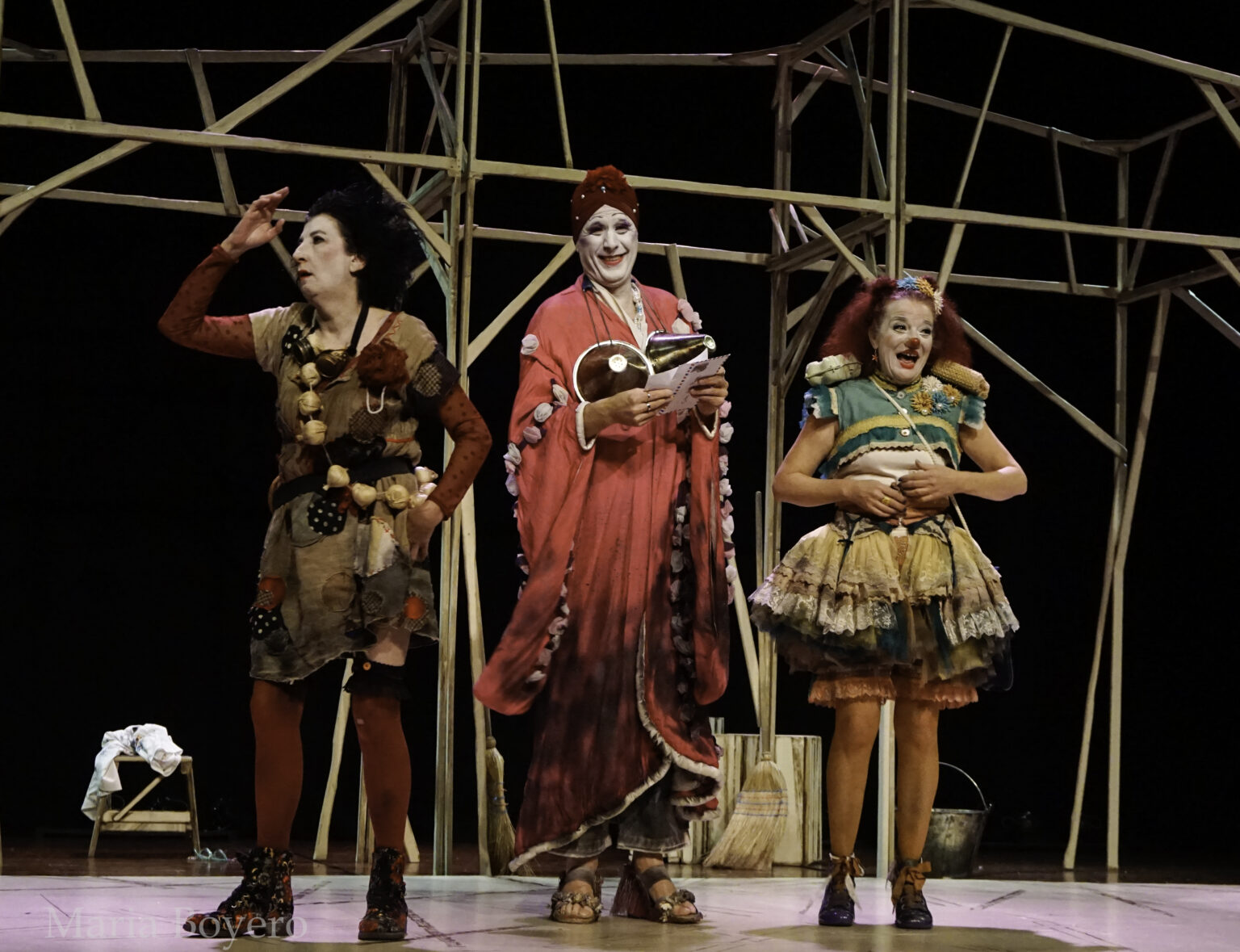
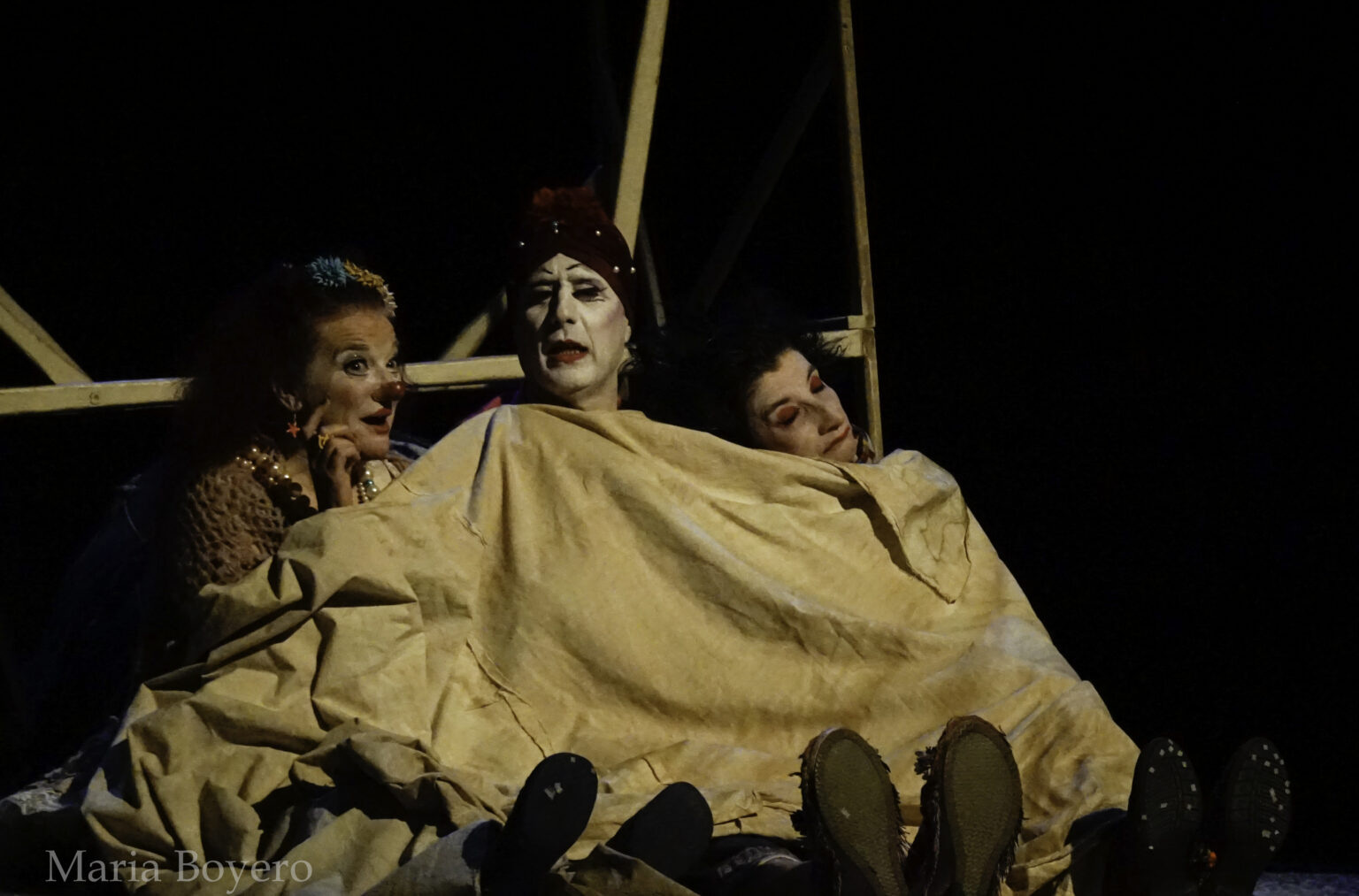
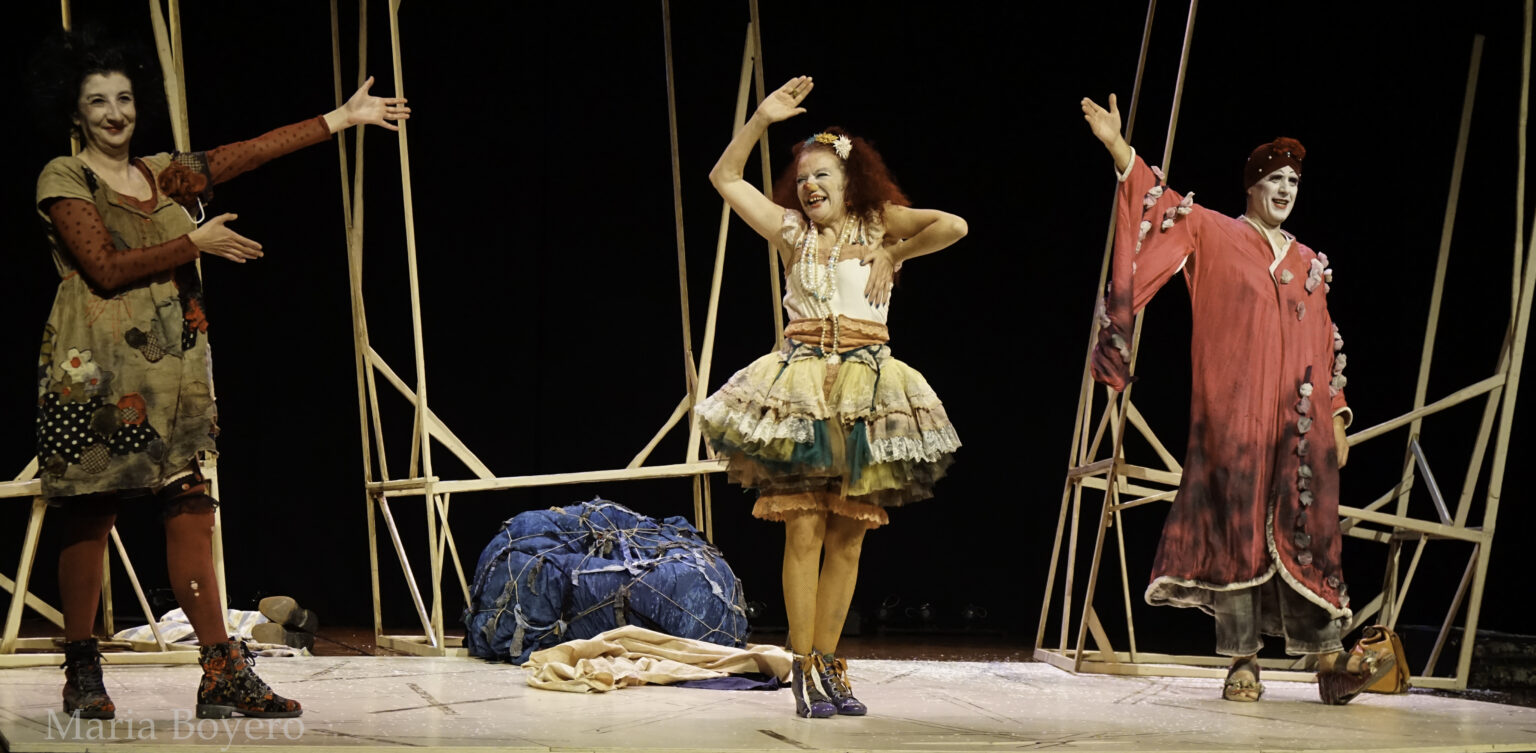
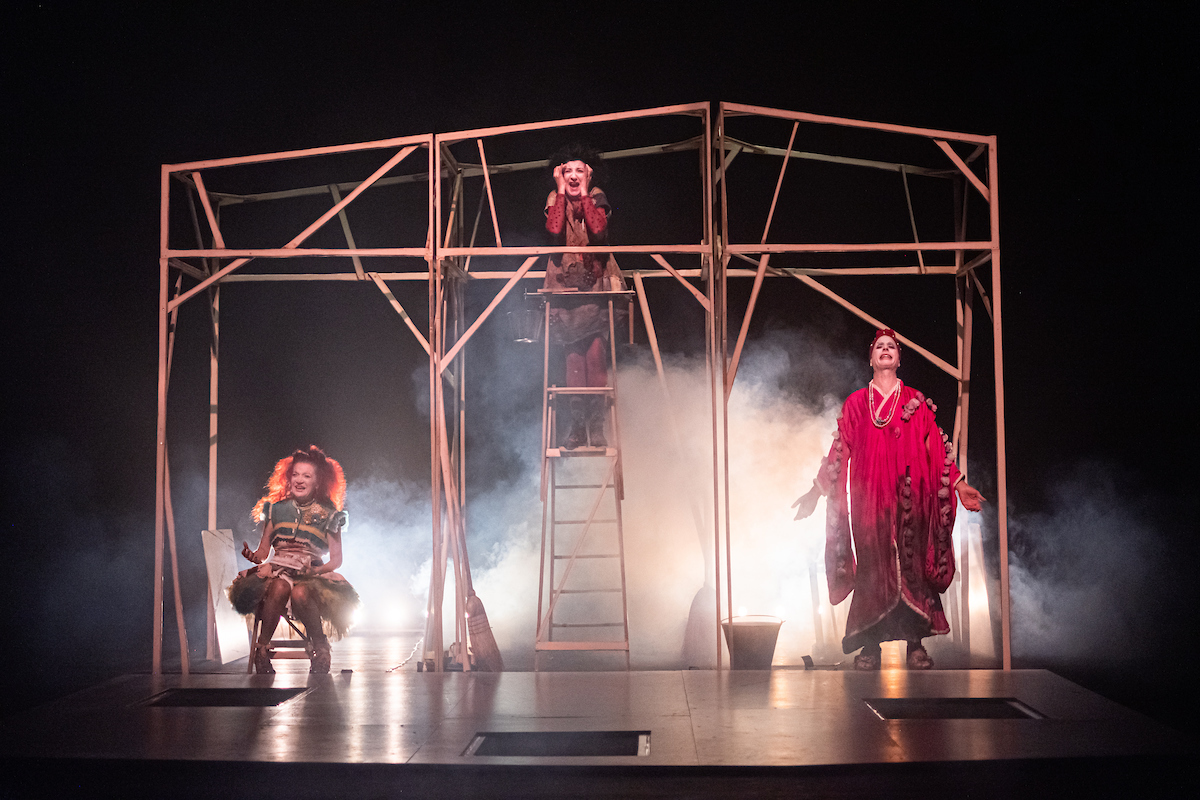
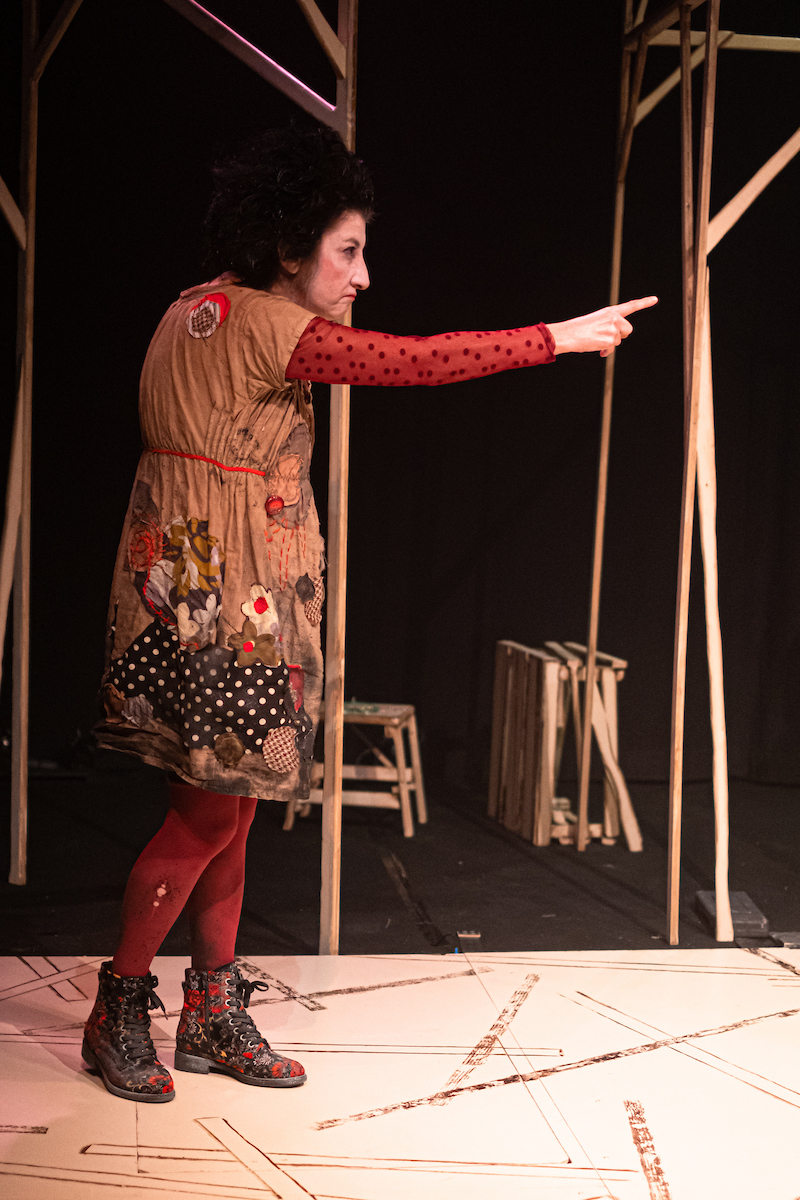
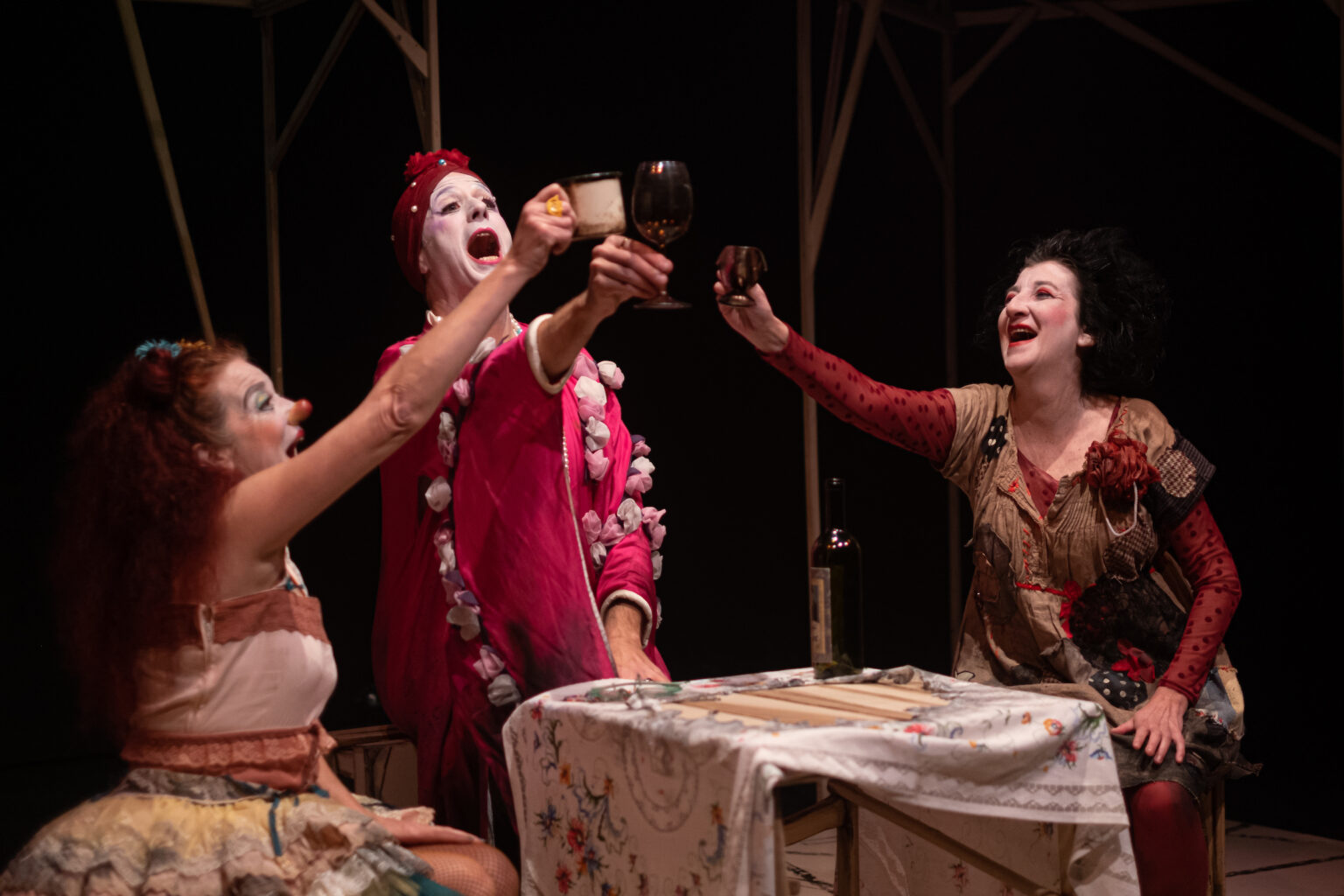
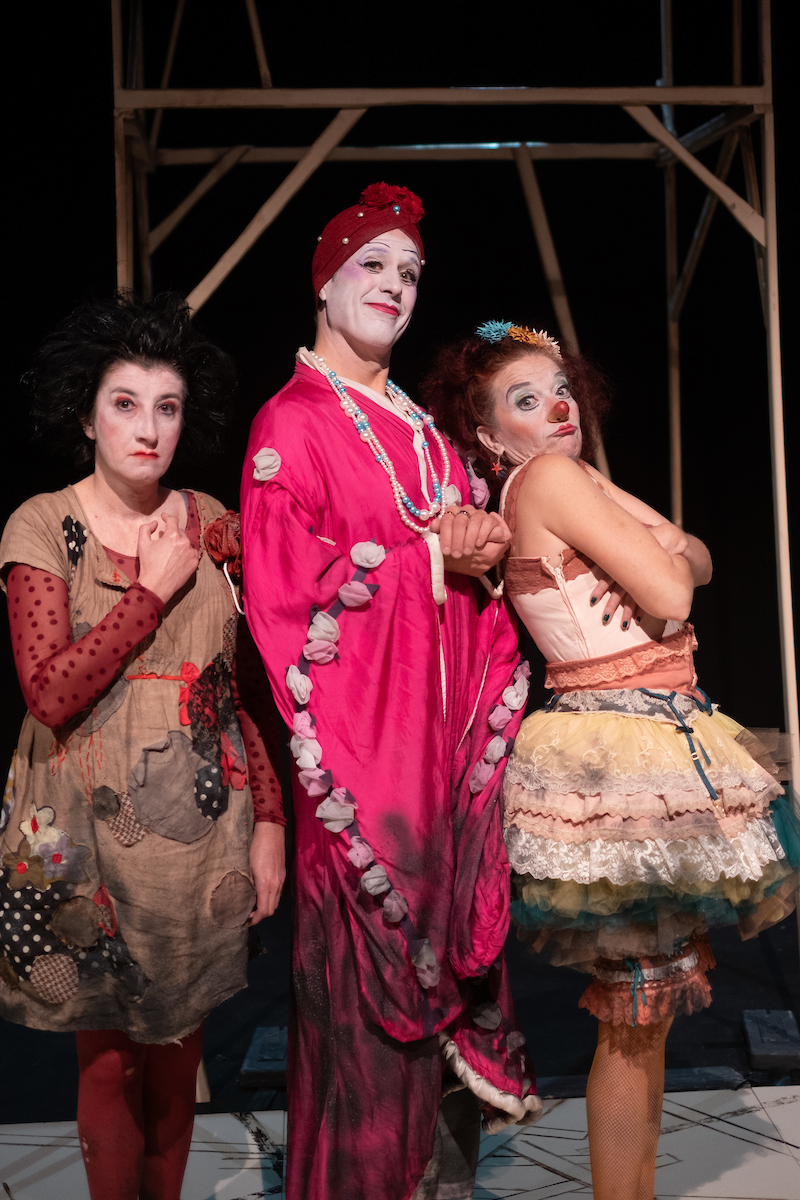
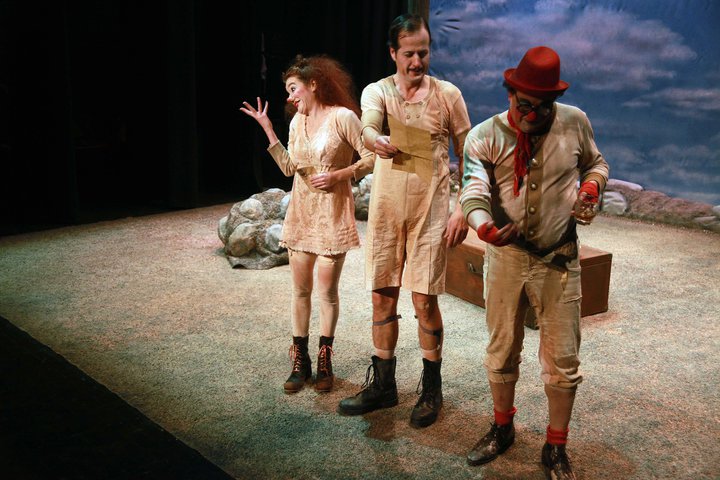
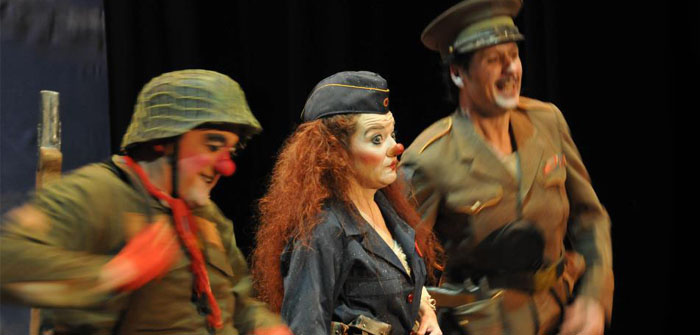
A window, a light. Another window, an everyday one. Another window, a building where three women tell us about not being able to stop. Everything collapses, it breaks, the damn eternal war! Three clowns that are on this path of the ancient exodus to recreate the world and give us the pleasure of laughing at the smallest things, but putting our finger on the sore when things bother us. They live in the stories that have been told in all conflicts and use numbers of old clowns to reaffirm the will to be comic. Three forgotten heroines who tell us their story with the desire to laugh and make people laugh, to live in our memory.
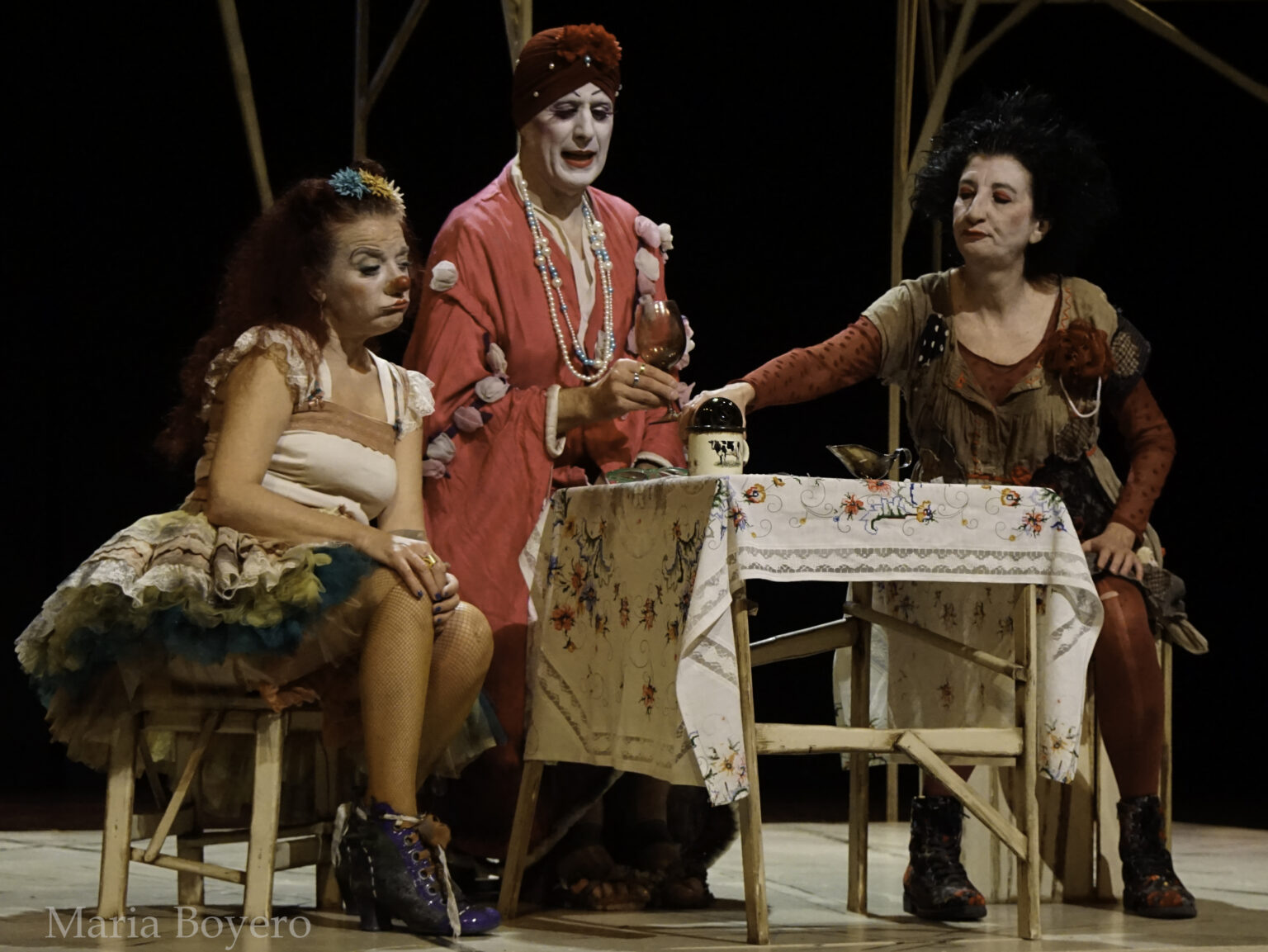
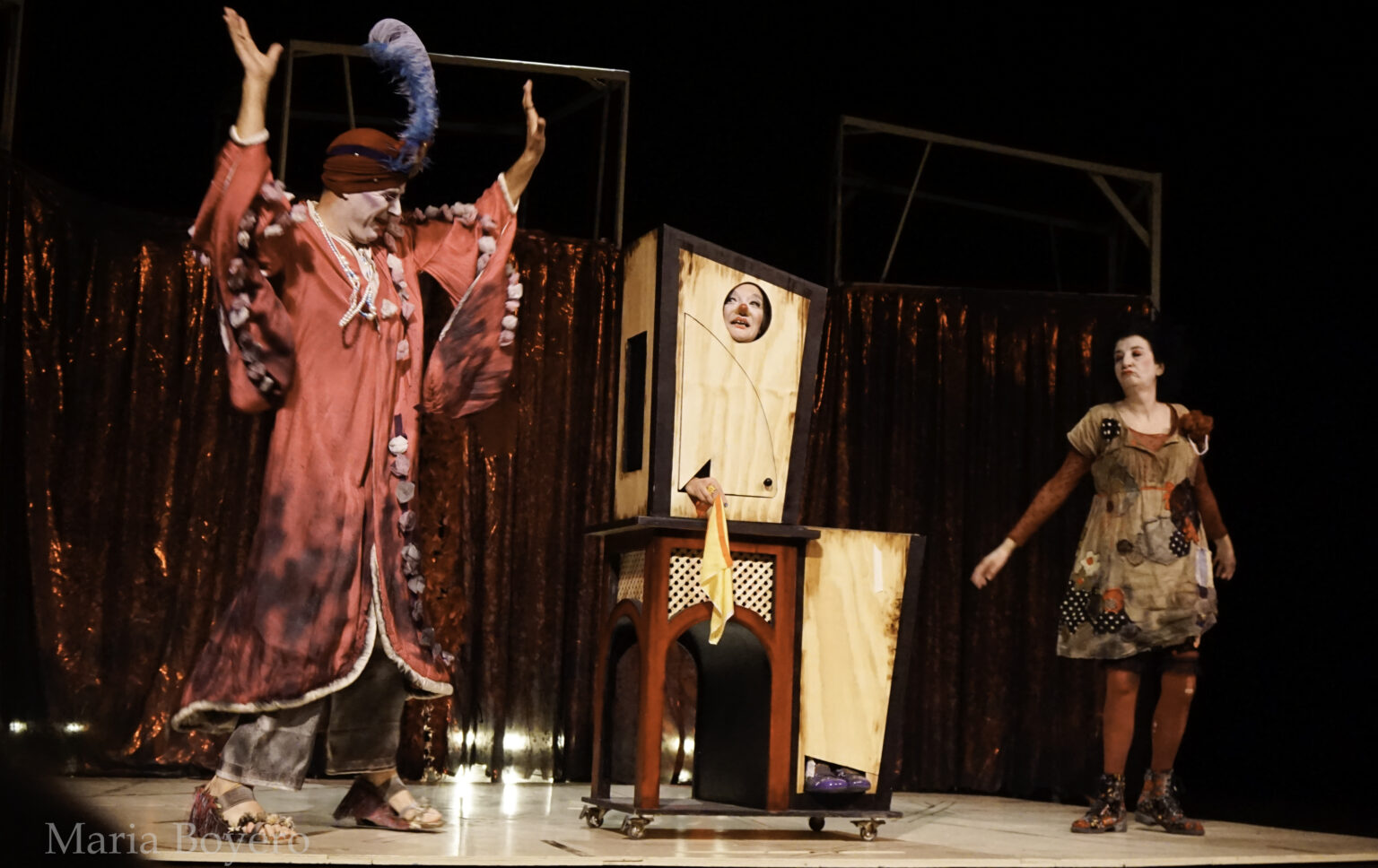
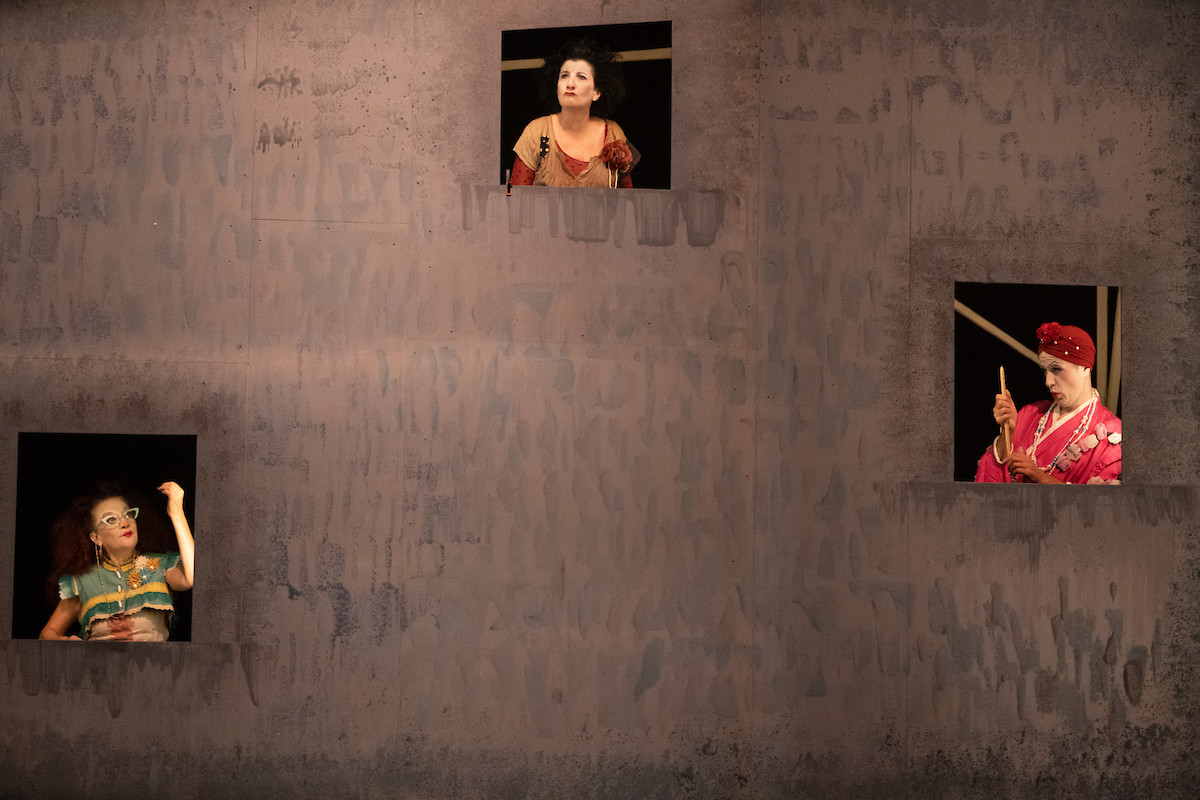
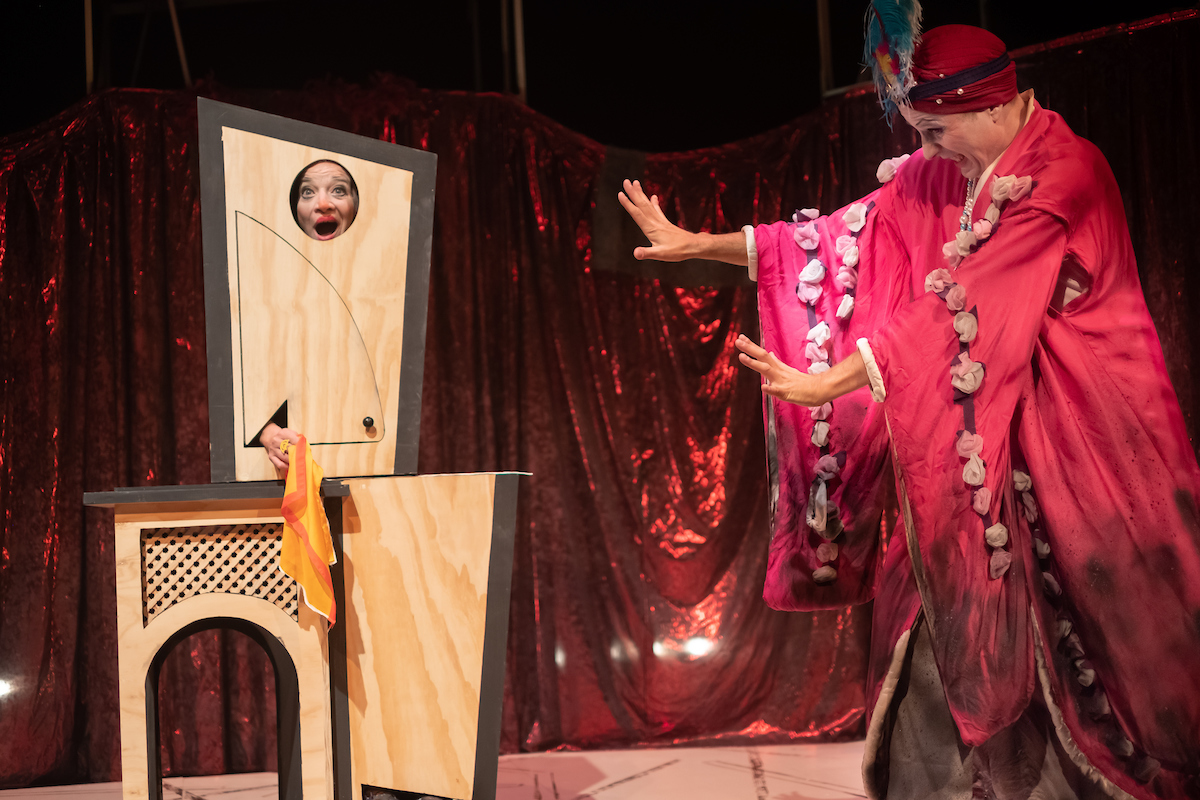
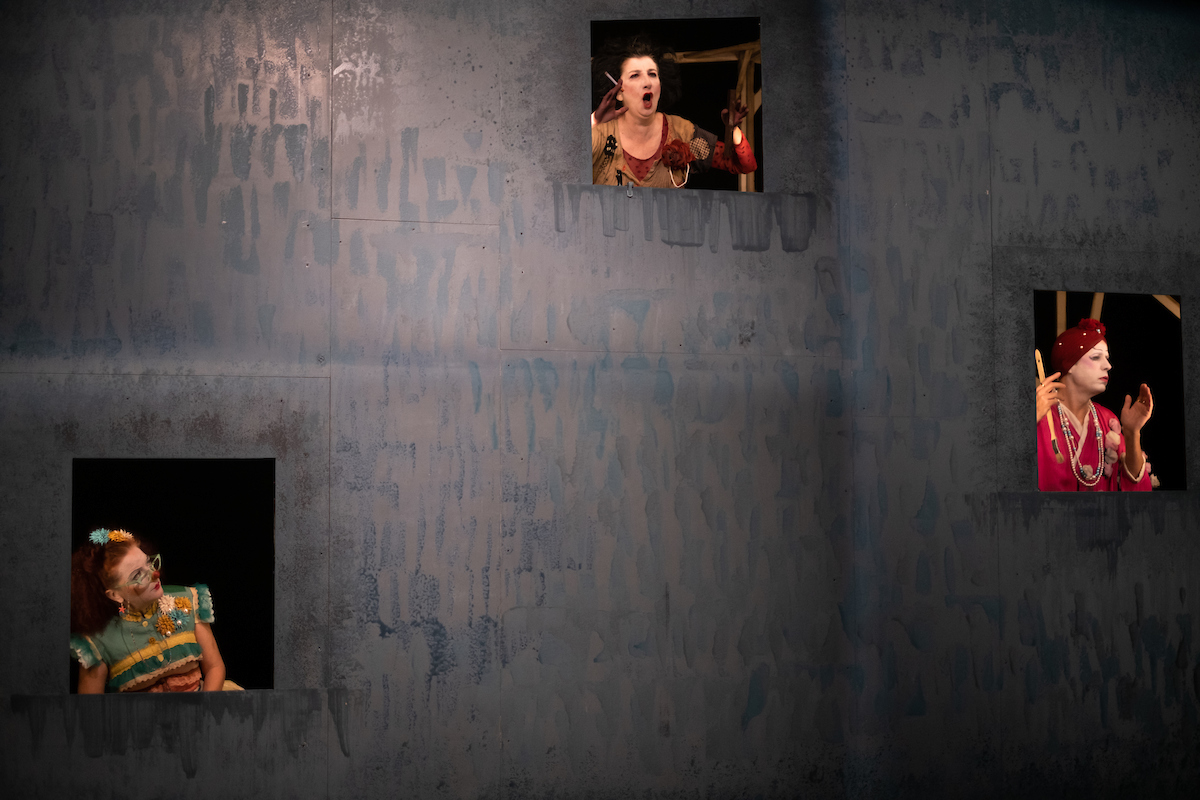
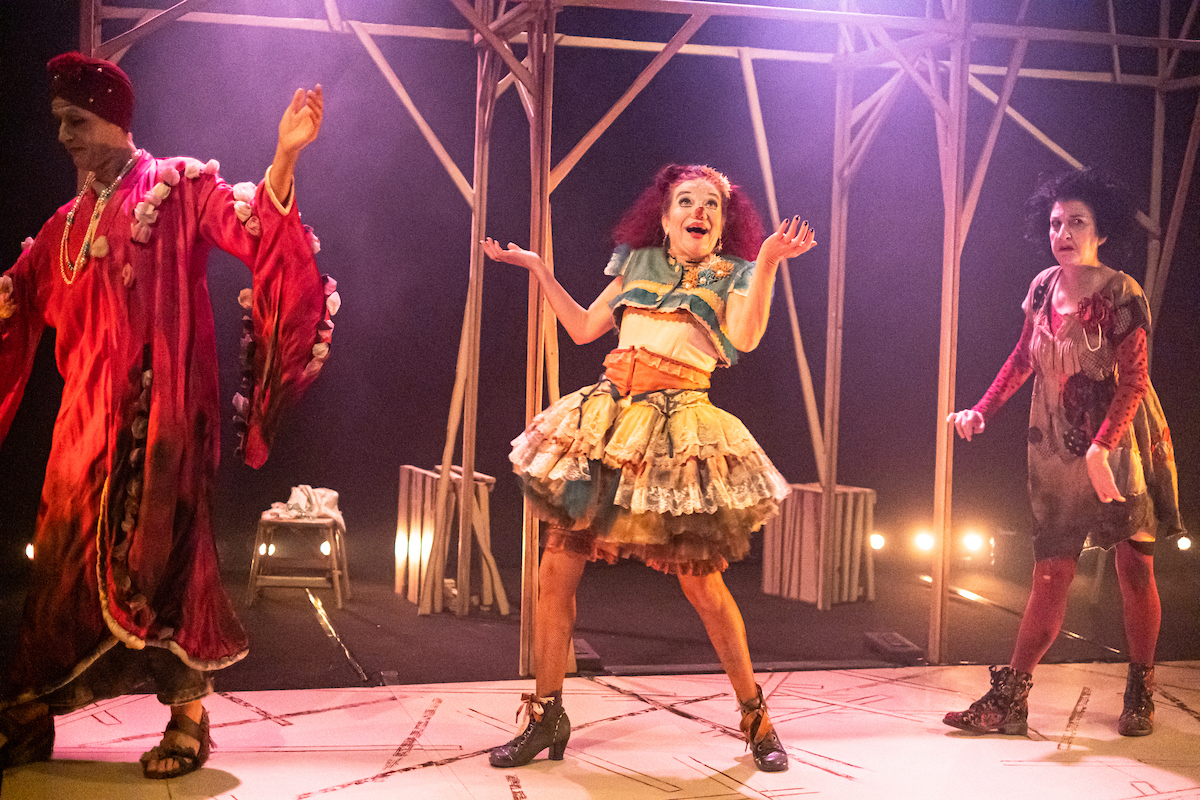
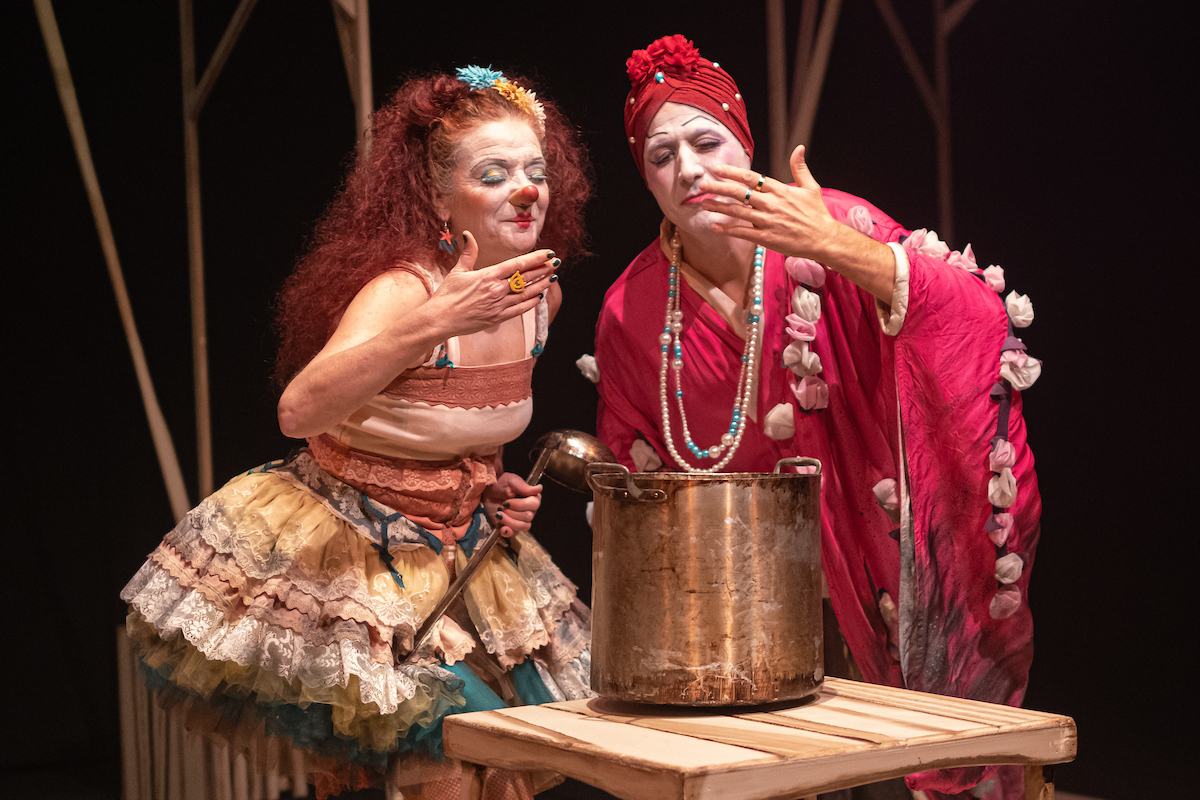
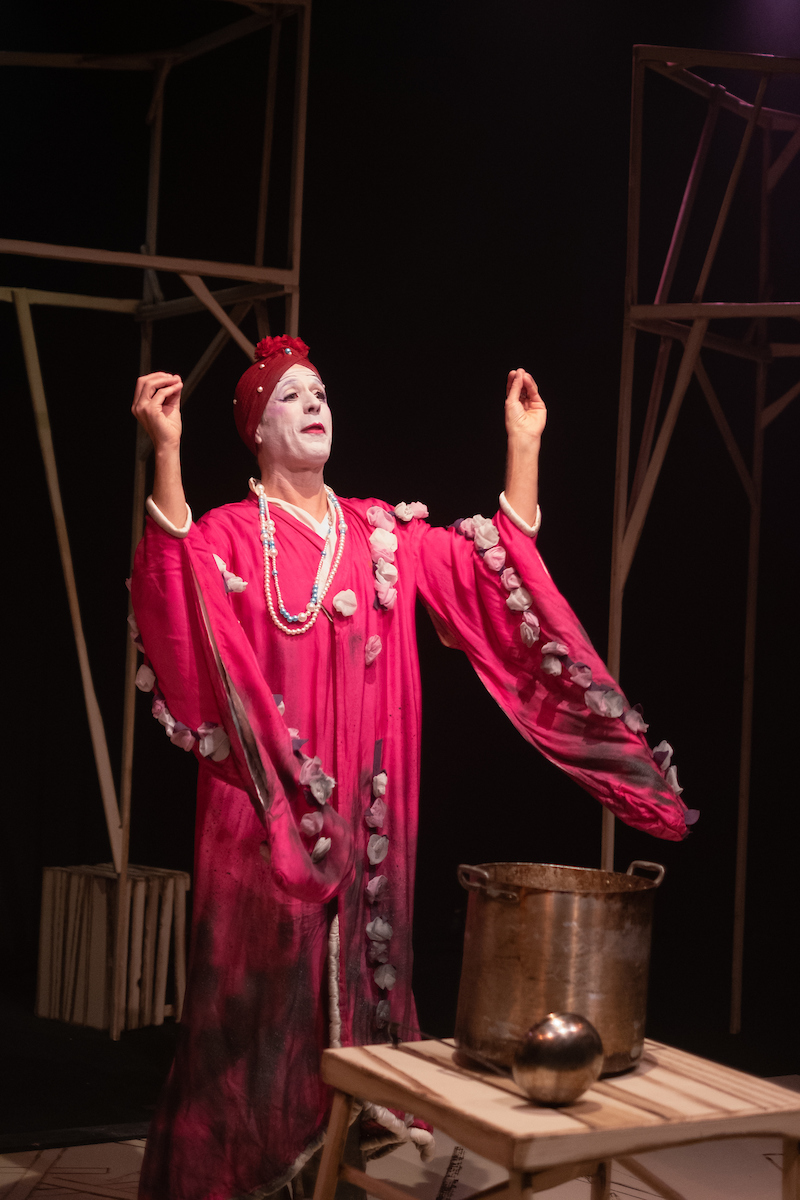
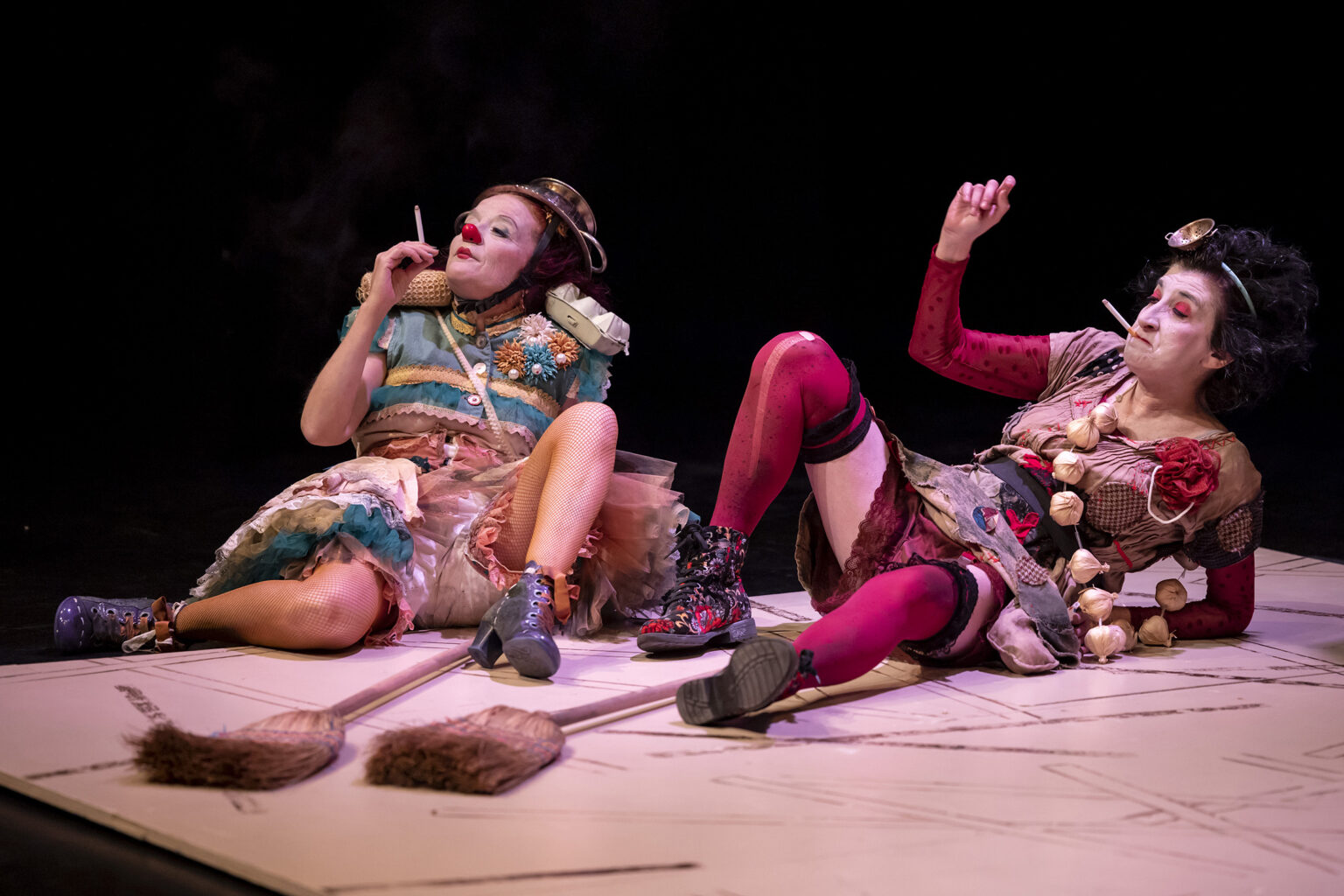
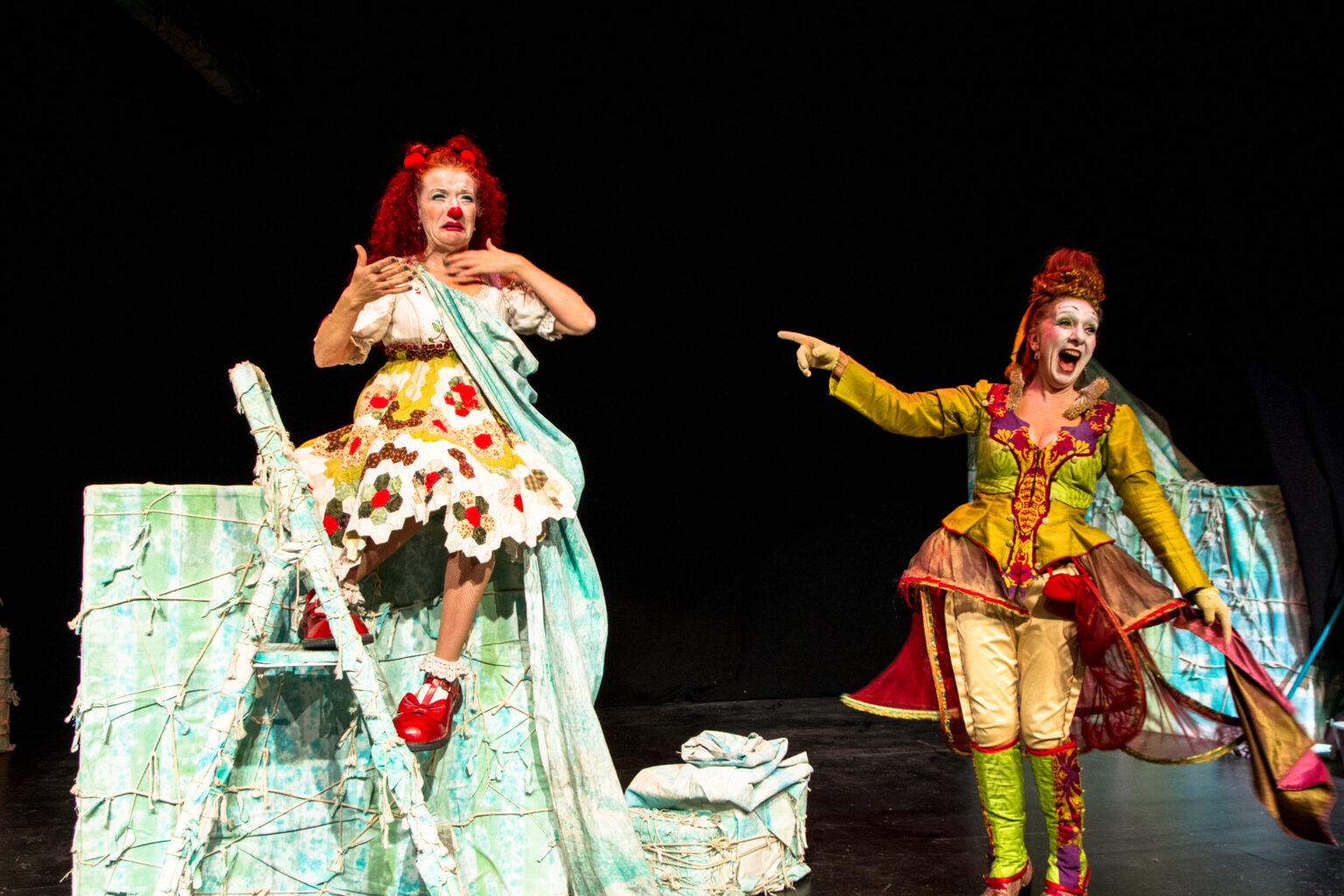
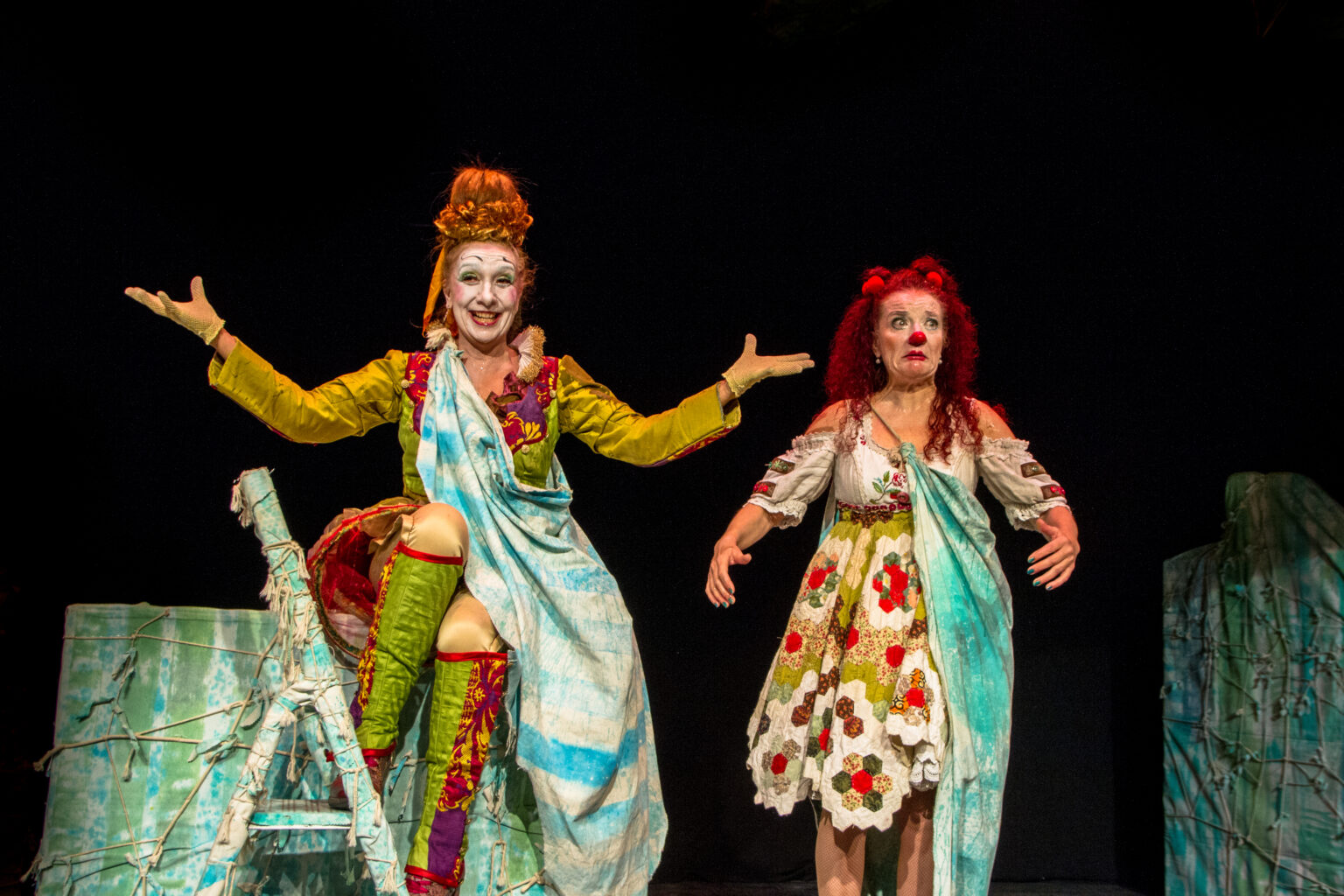
Veus que no veus presents the female version of the so-called “classical entries”, the numbers that start a show or link scenes. On the one hand, and as an august clown, Pepa Plana. On the other, in the role of a white clown, Clara del Ruste. How do they change and what meaning do they take on when they are played by two female clowns instead of two male clowns? Pepa Plana’s company has always claimed the figure of the clown and now presents the most classic circus acts. Is it about laughing? Yes, but not only that, but also talking, playing and, perhaps, biting.
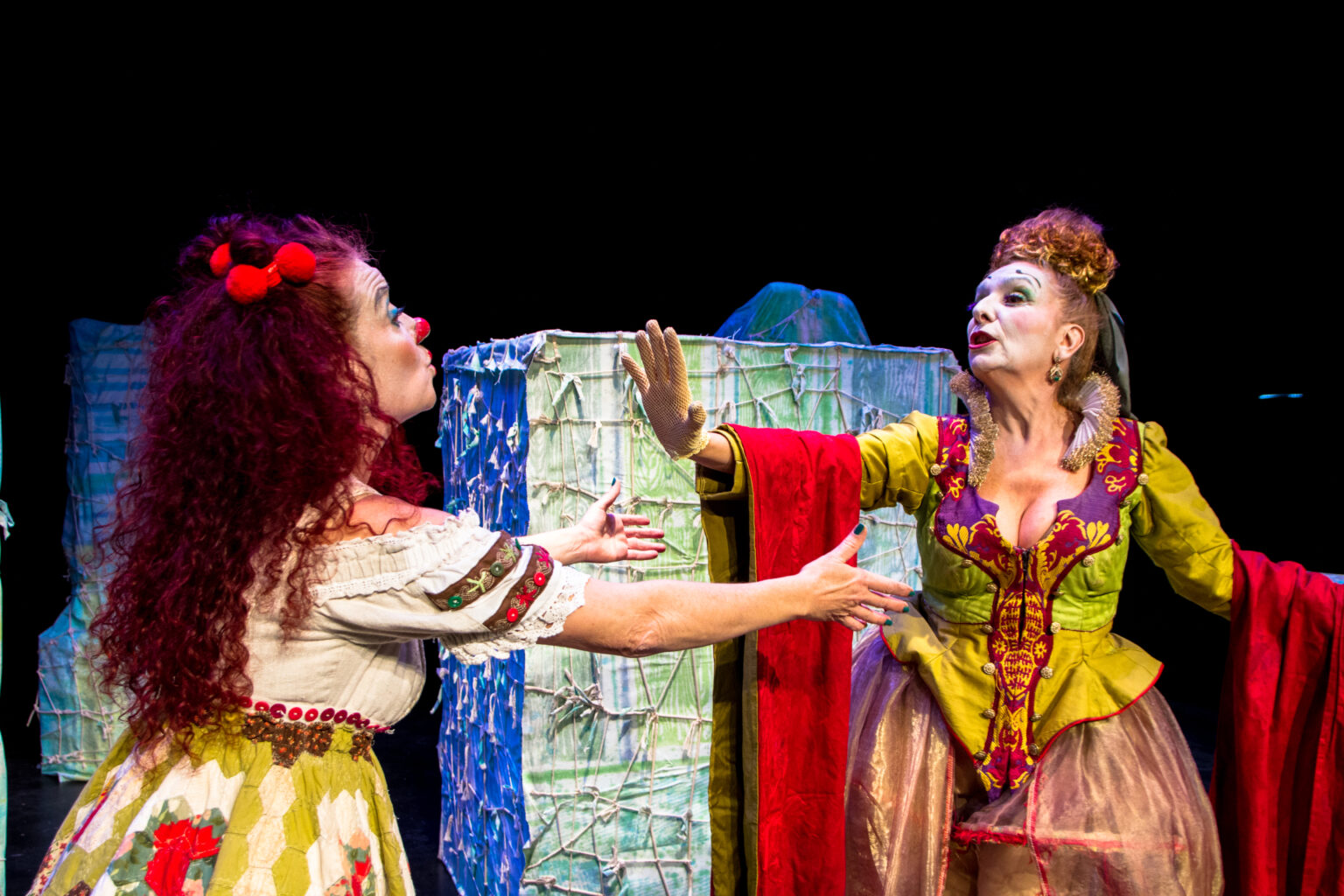
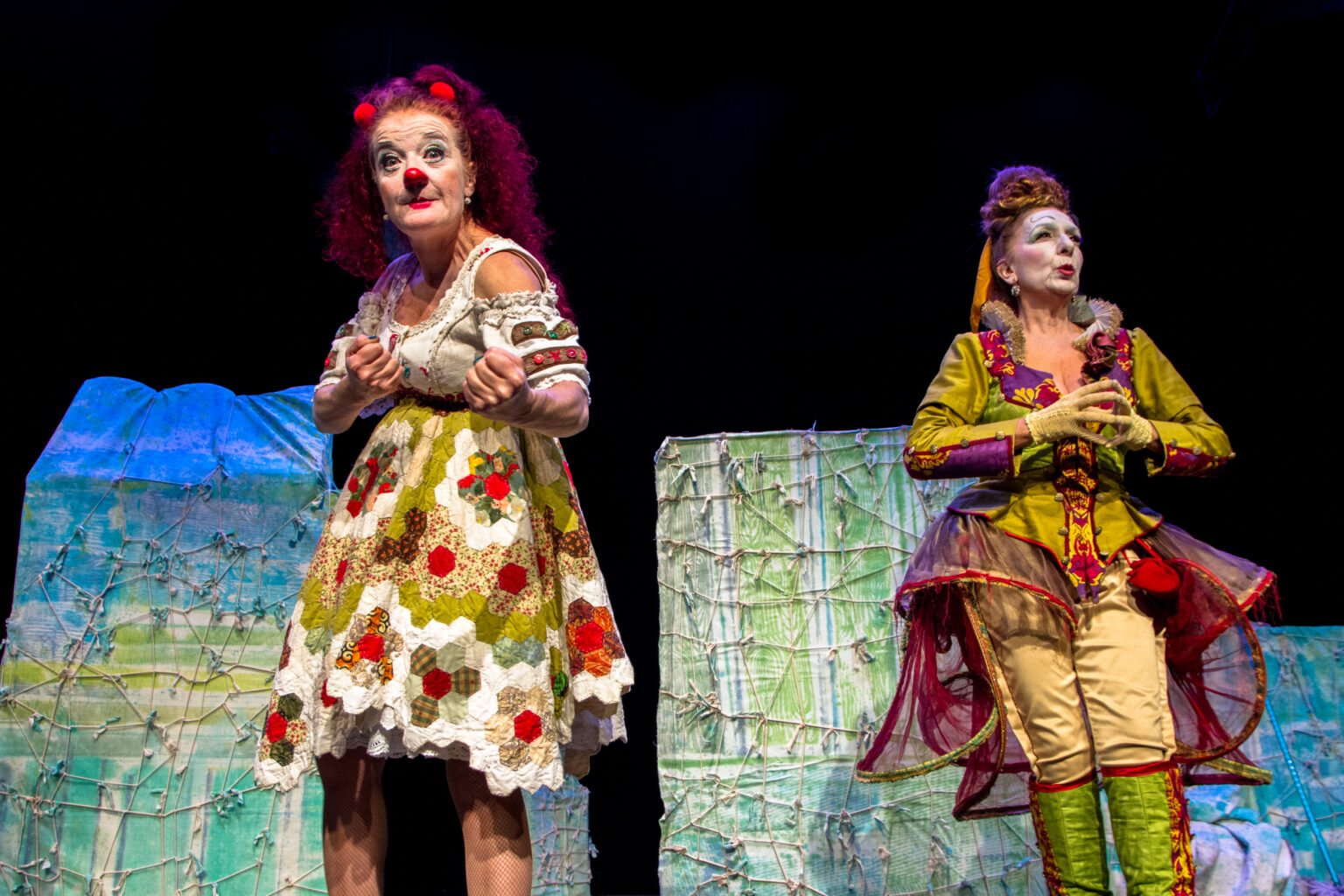
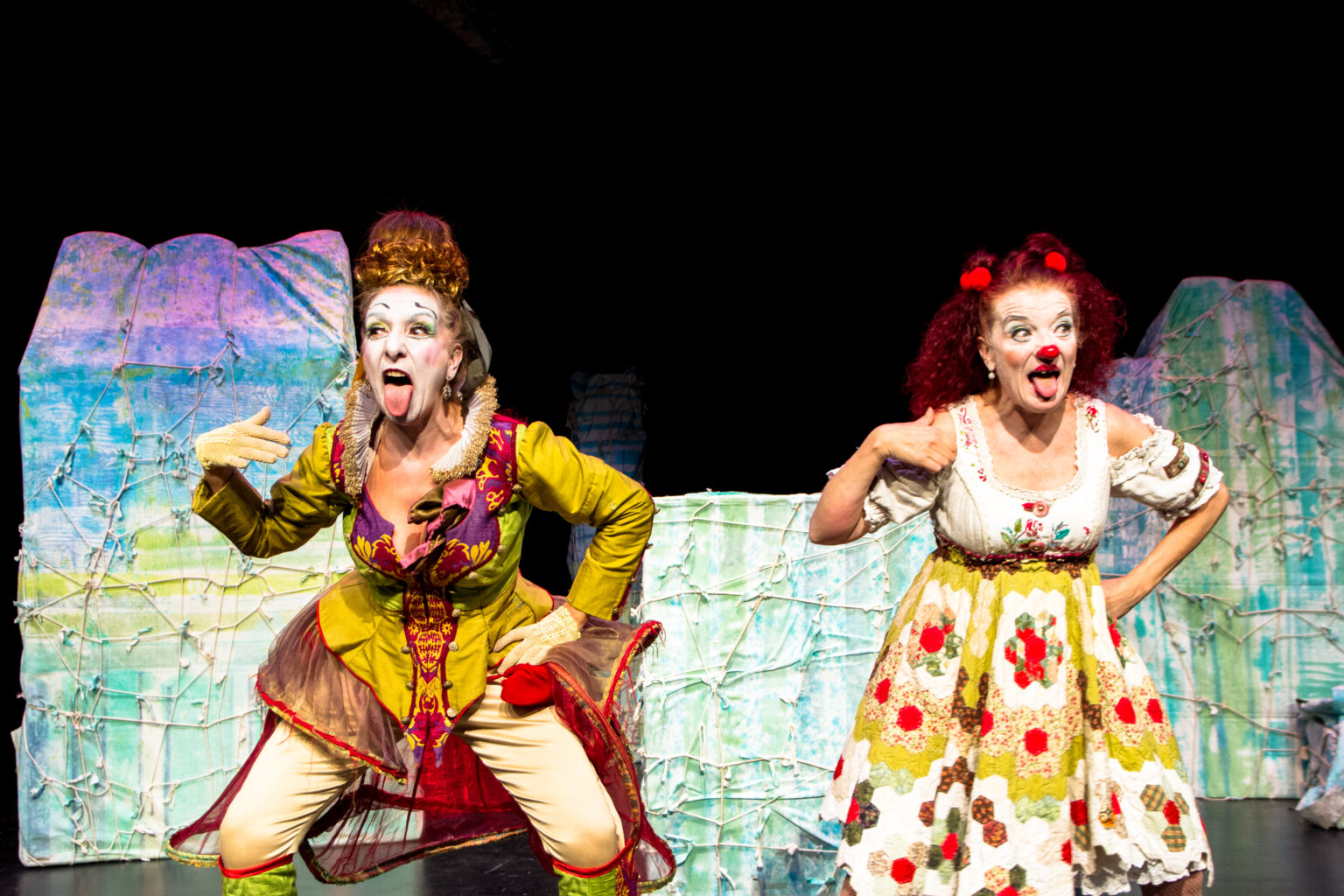
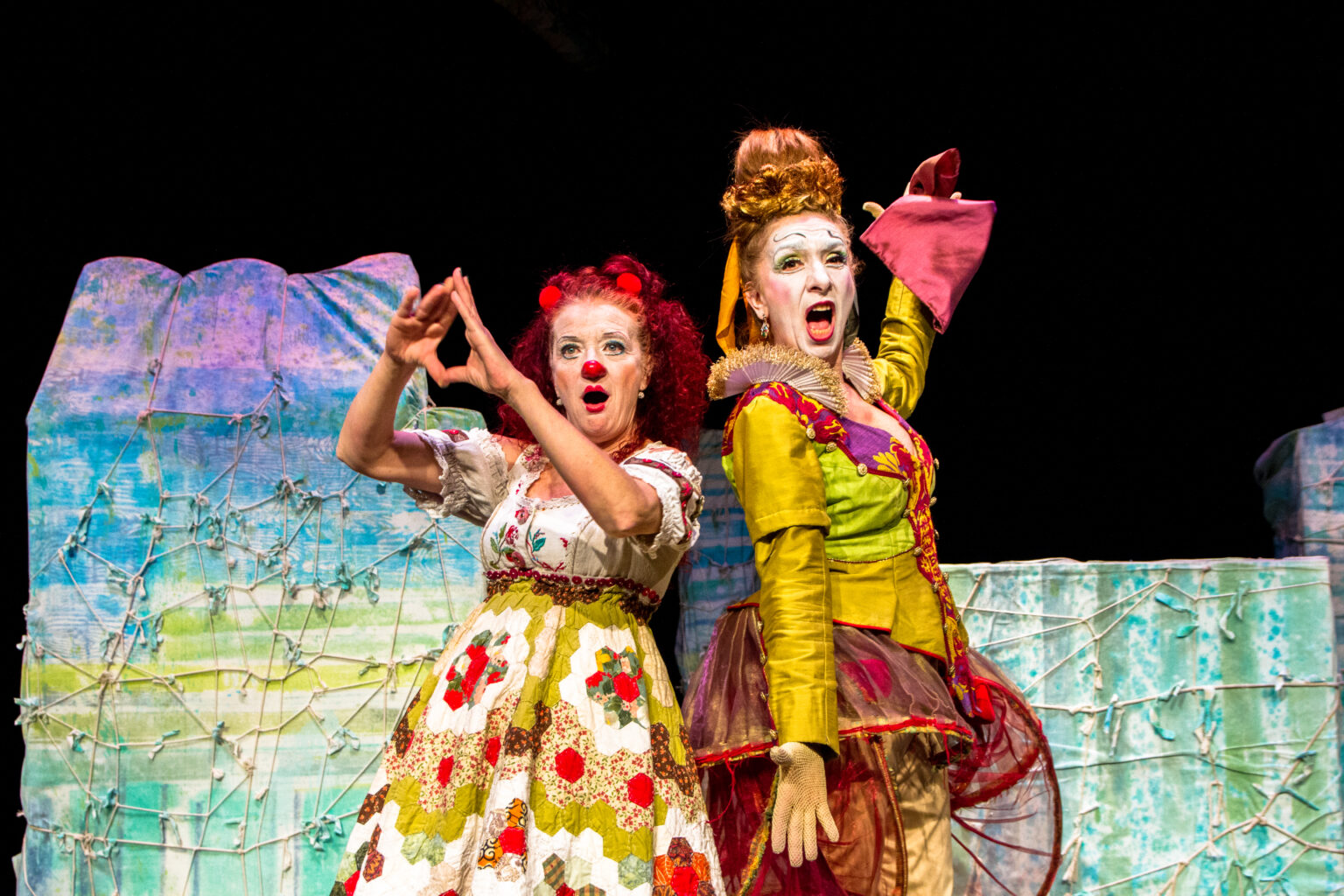
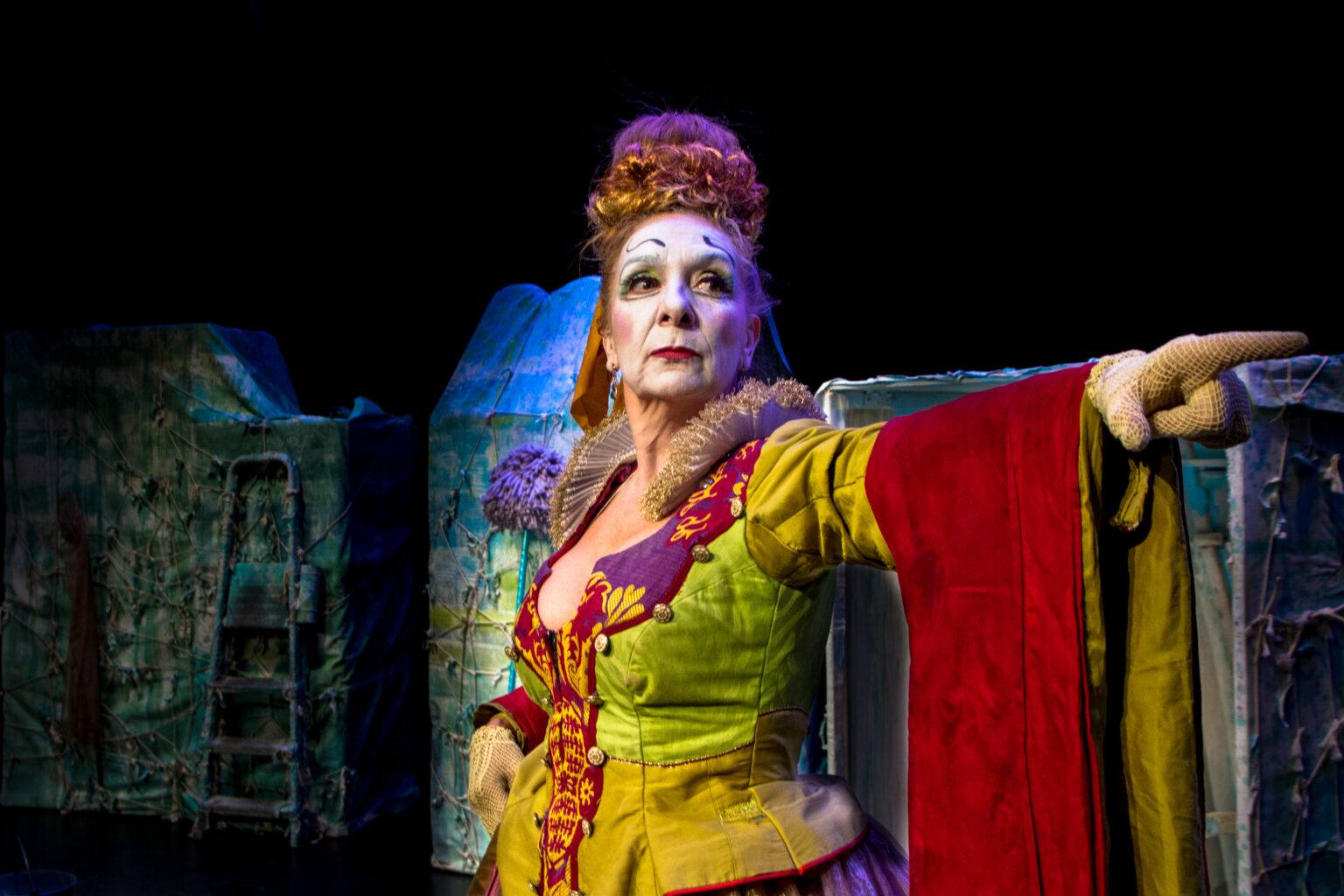
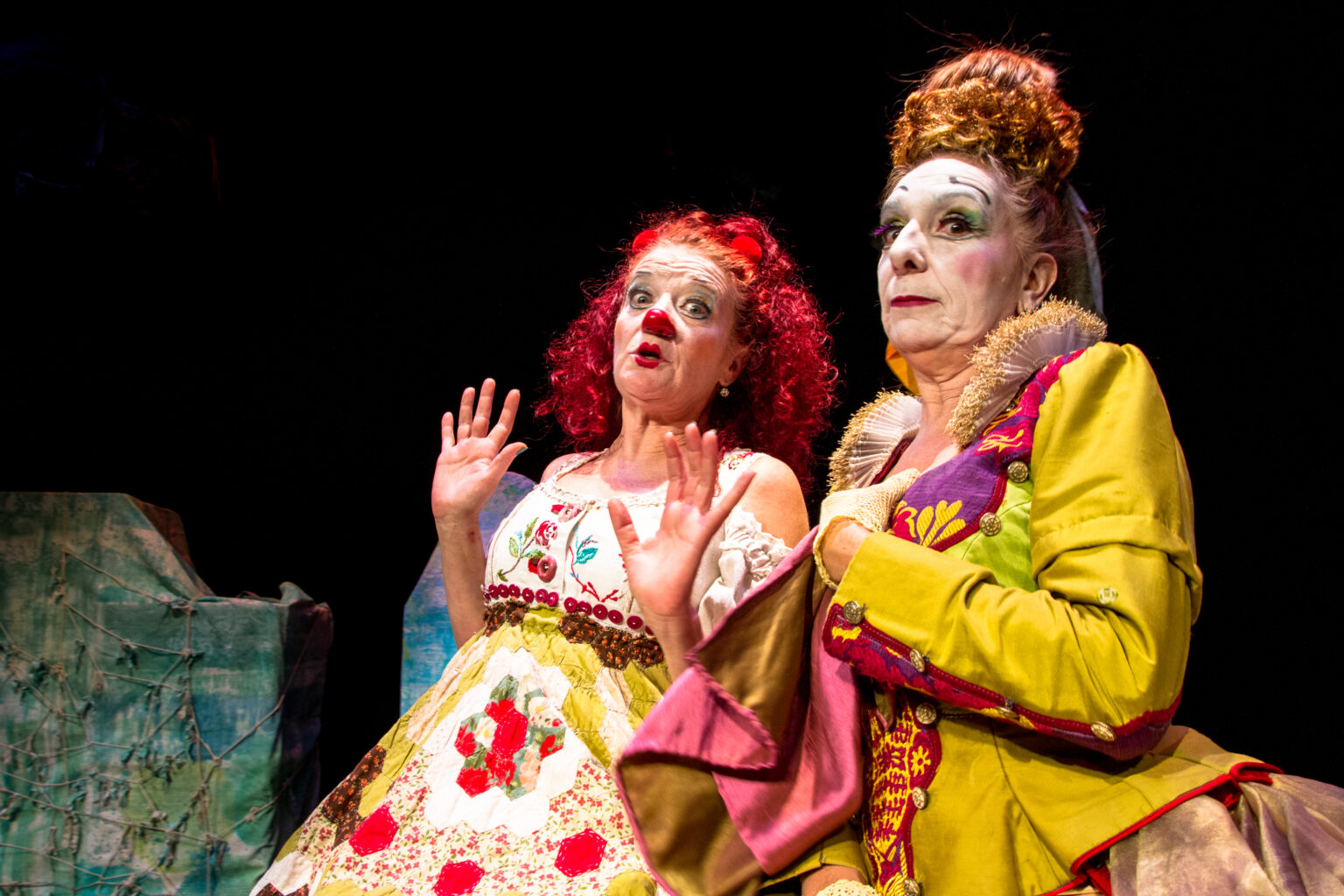
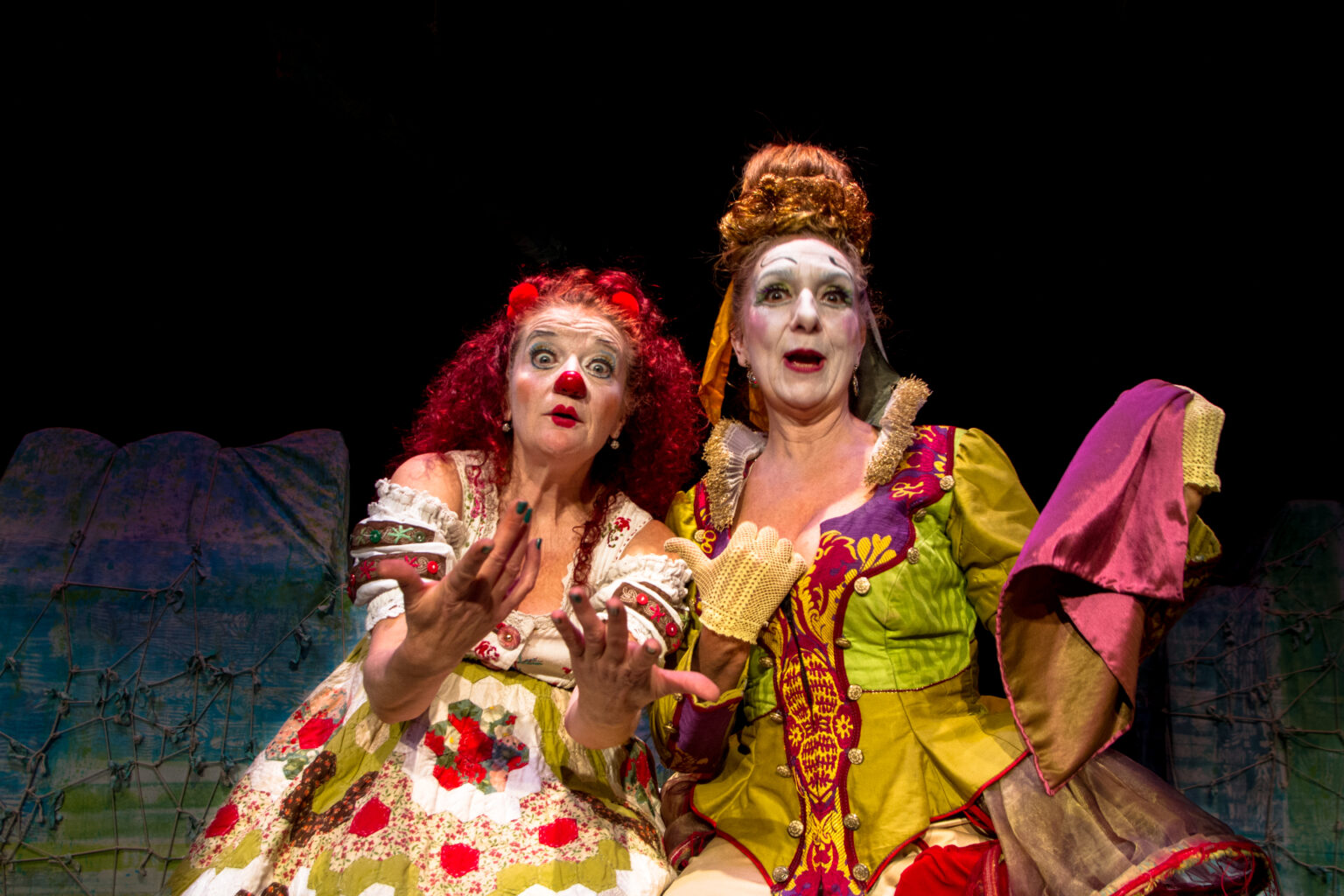
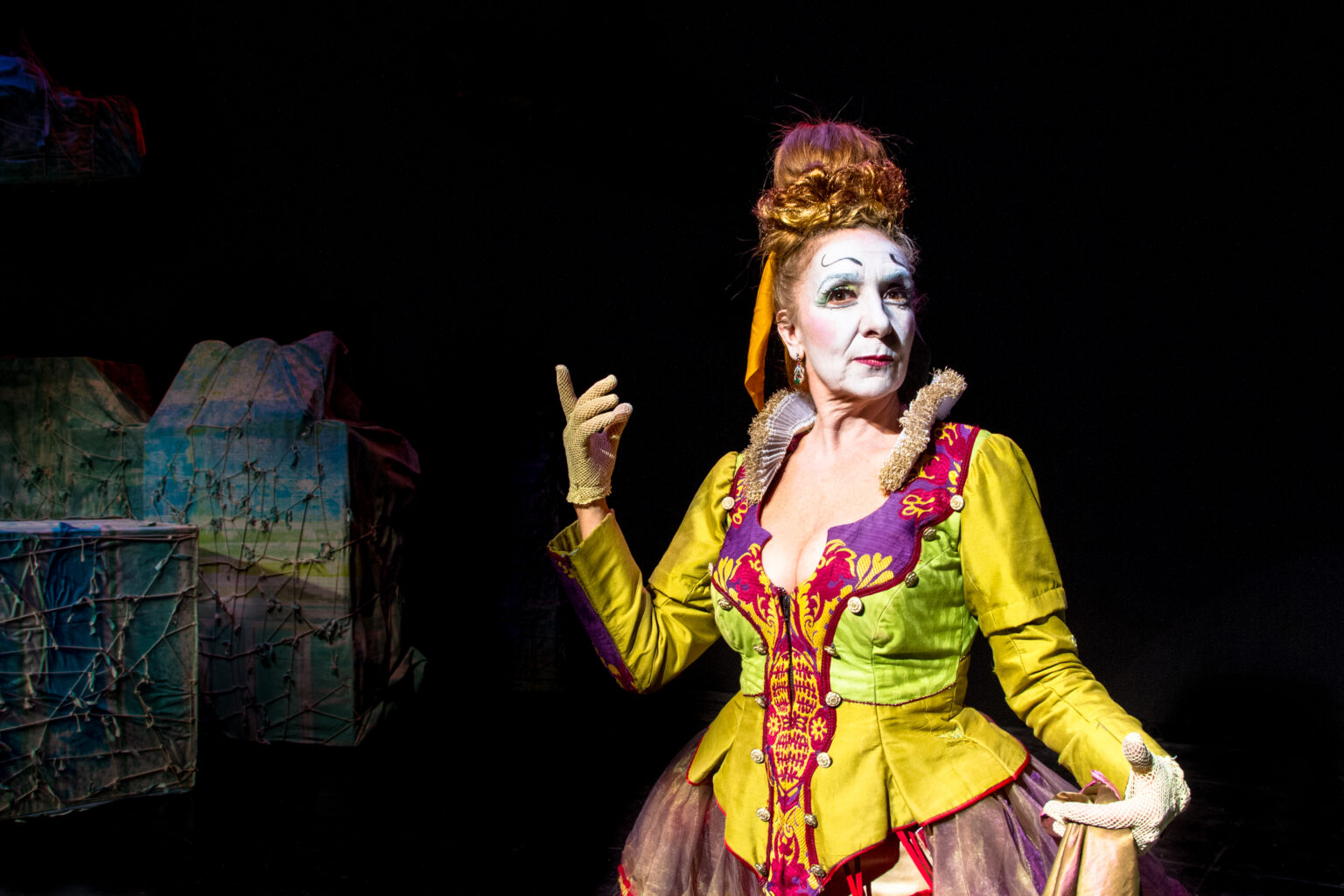
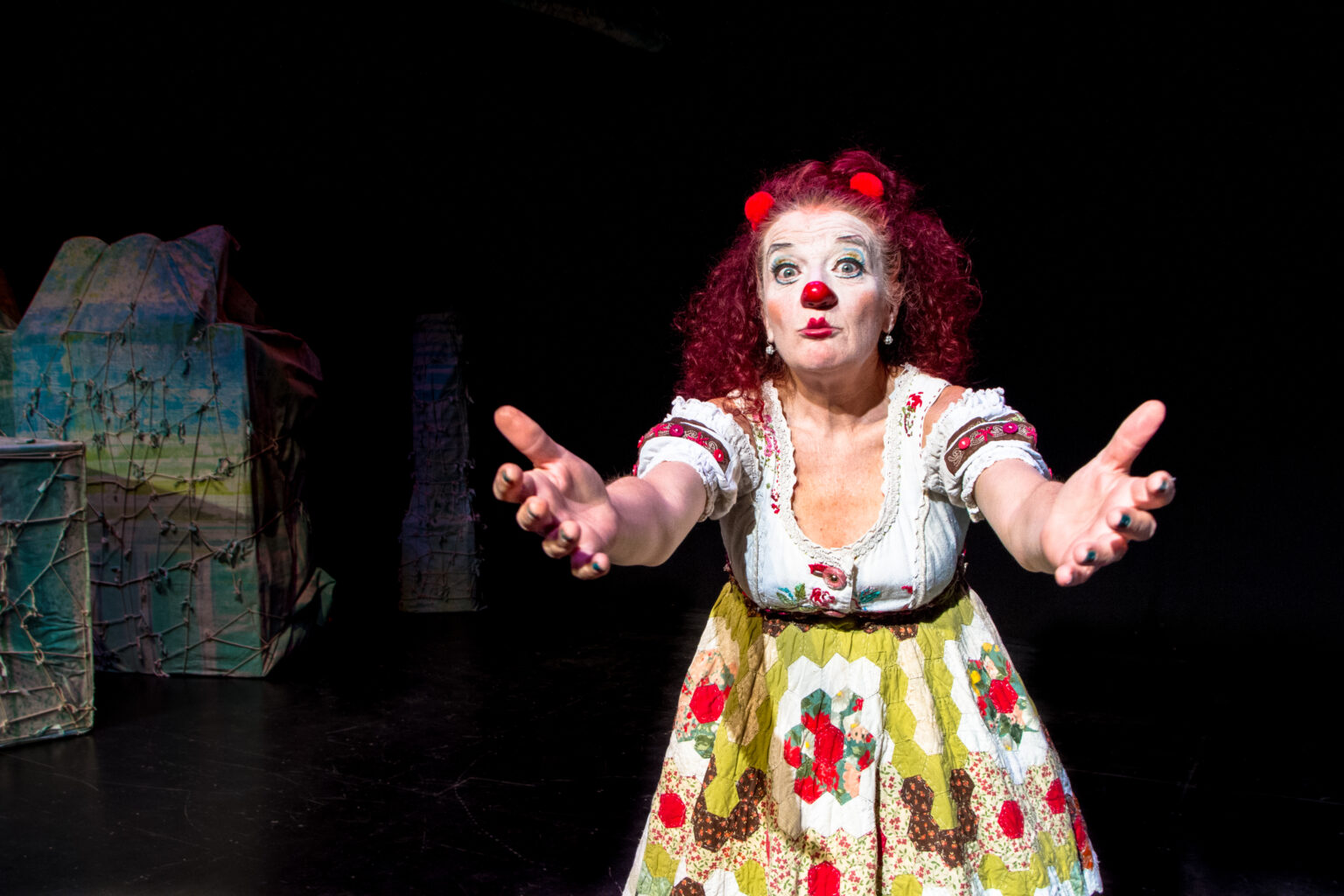
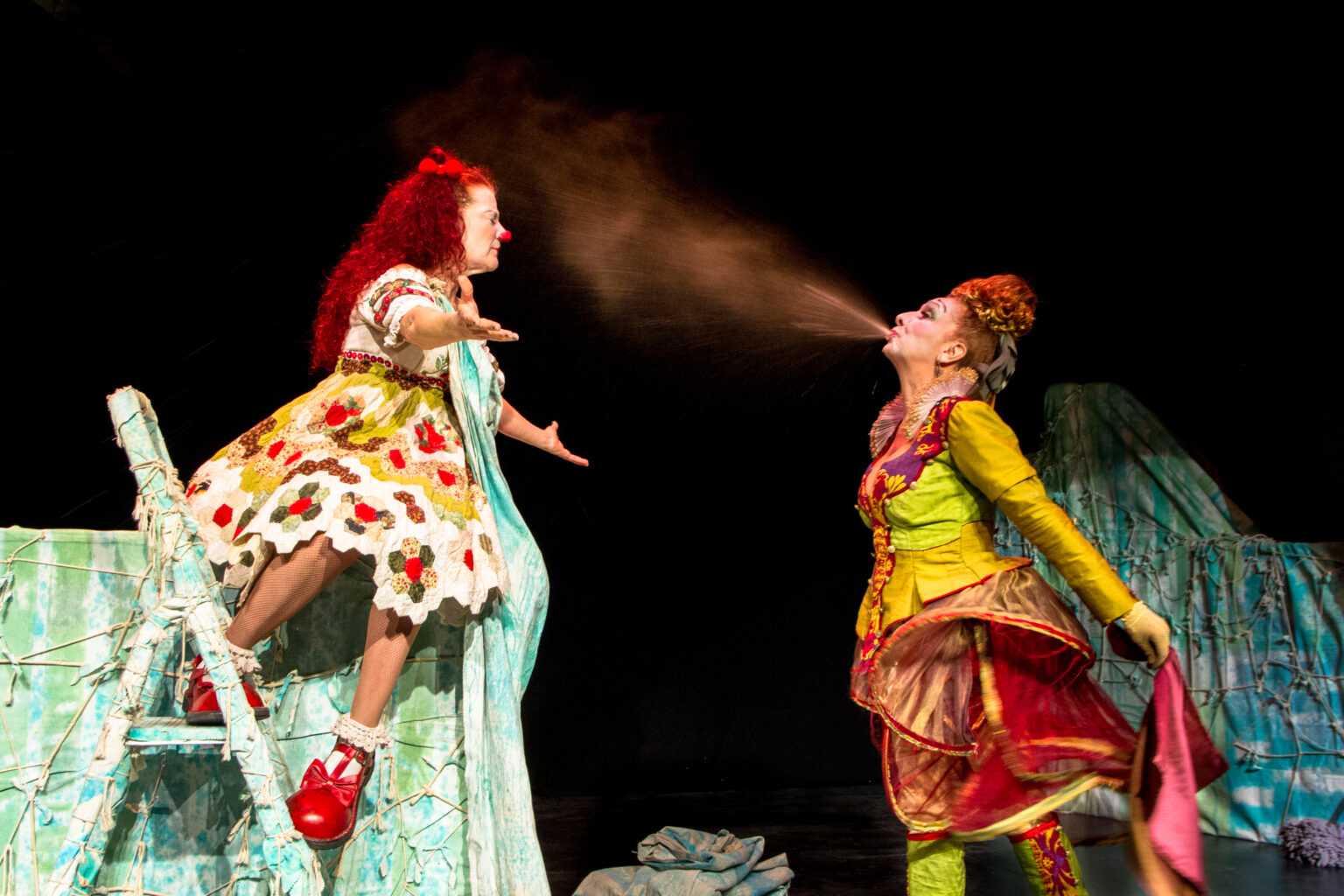
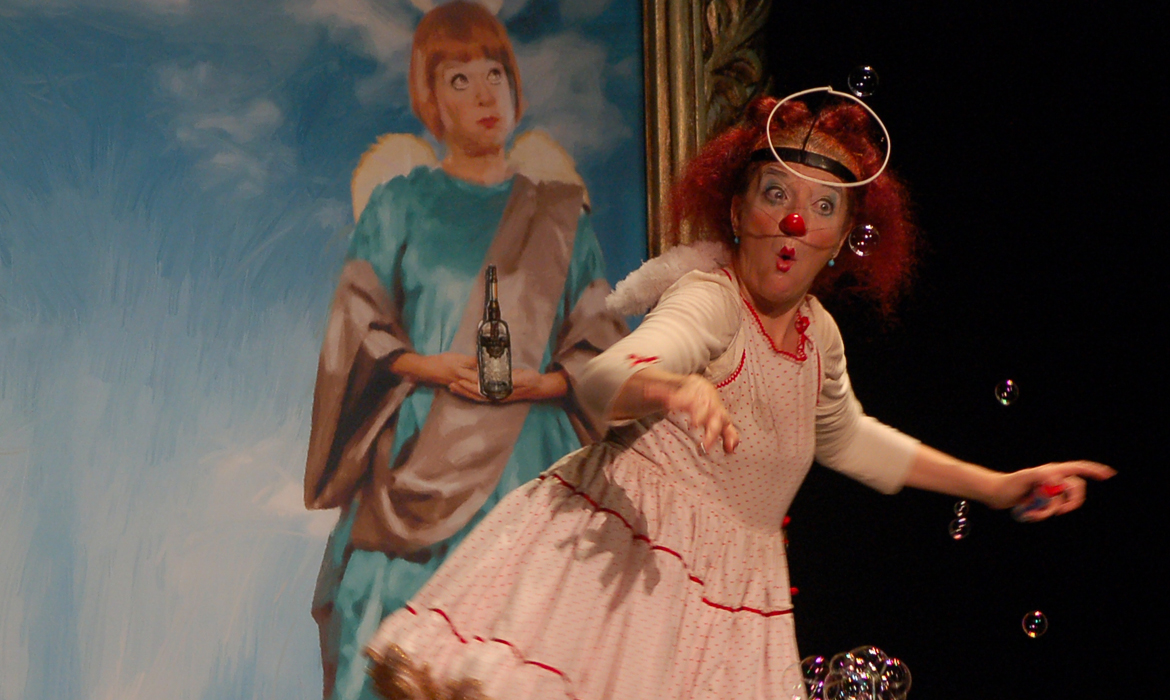
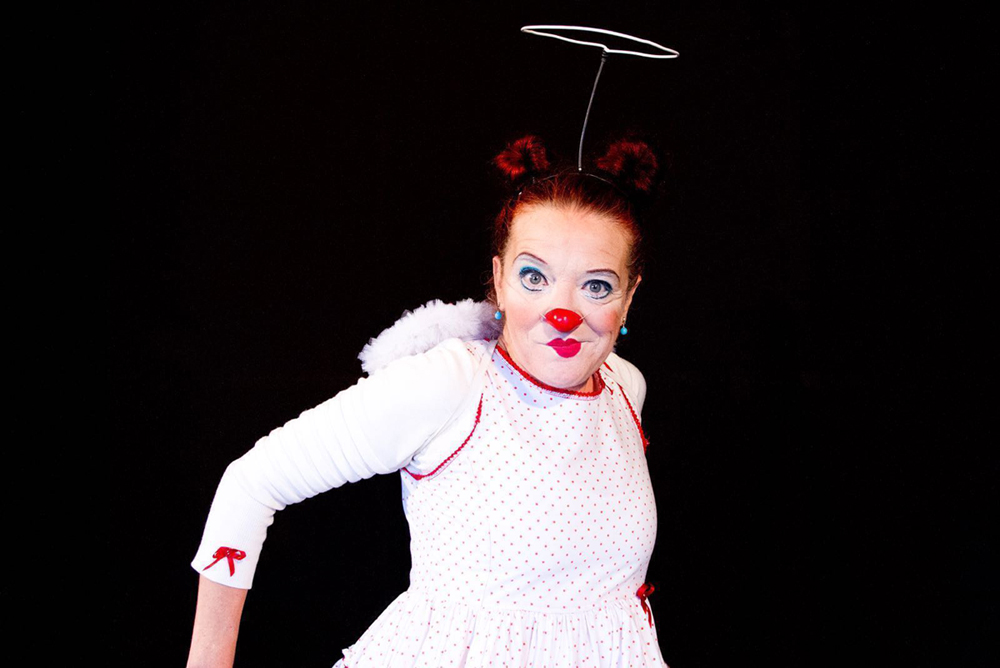
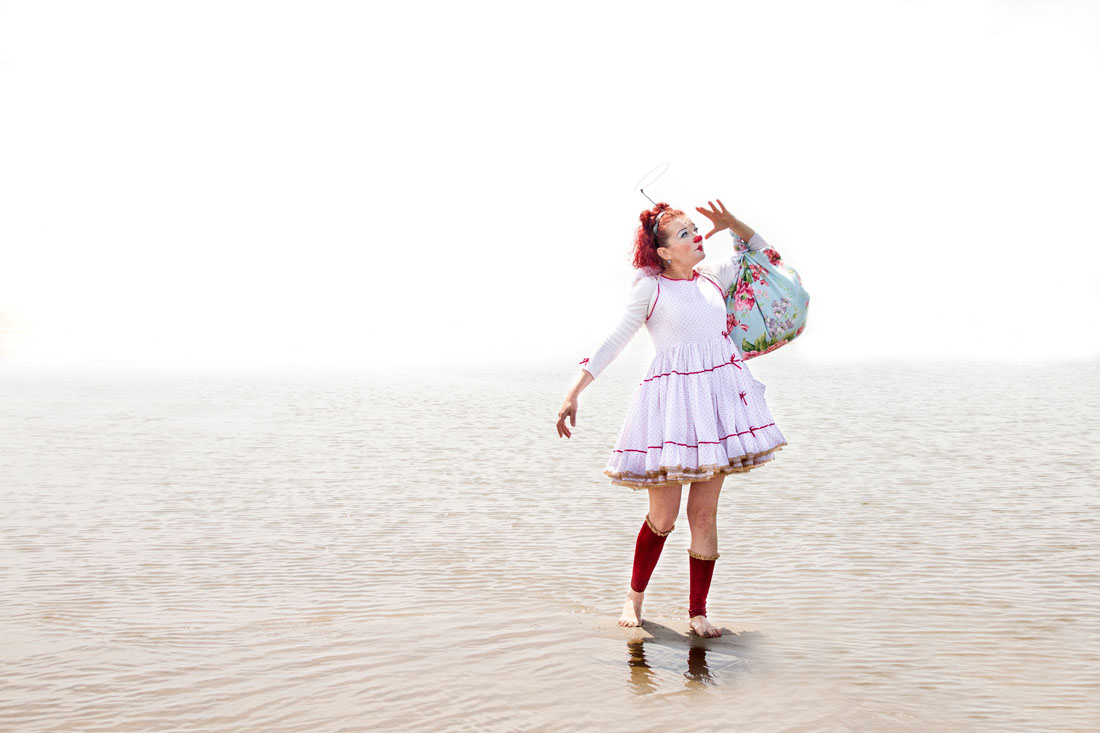
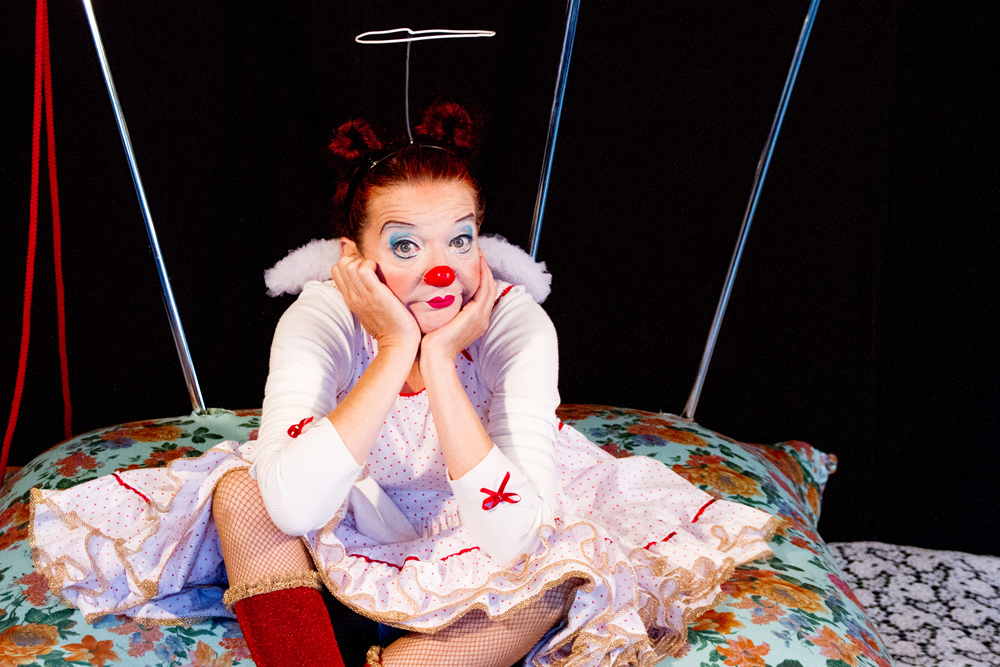
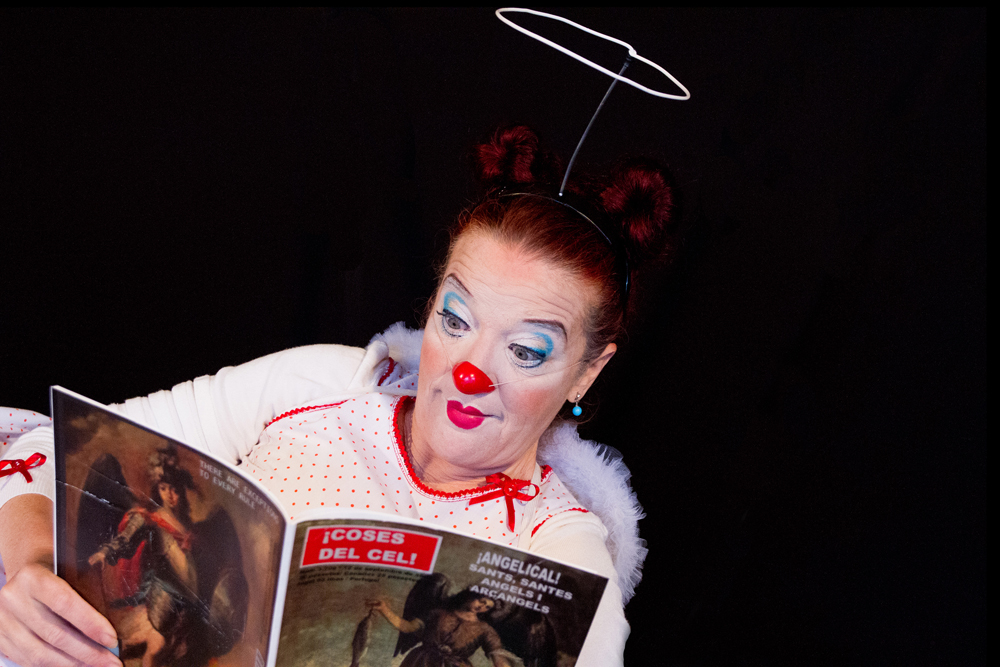
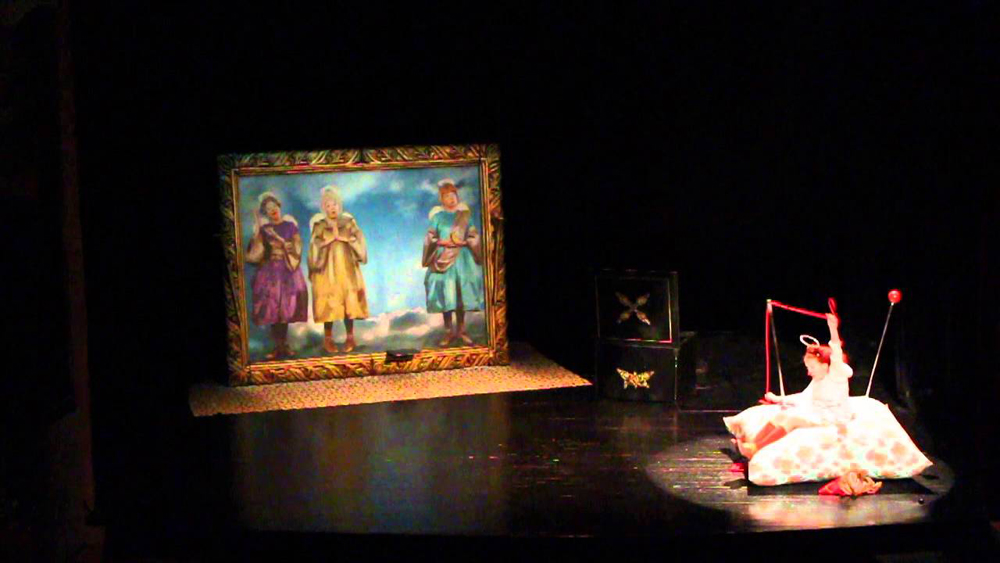
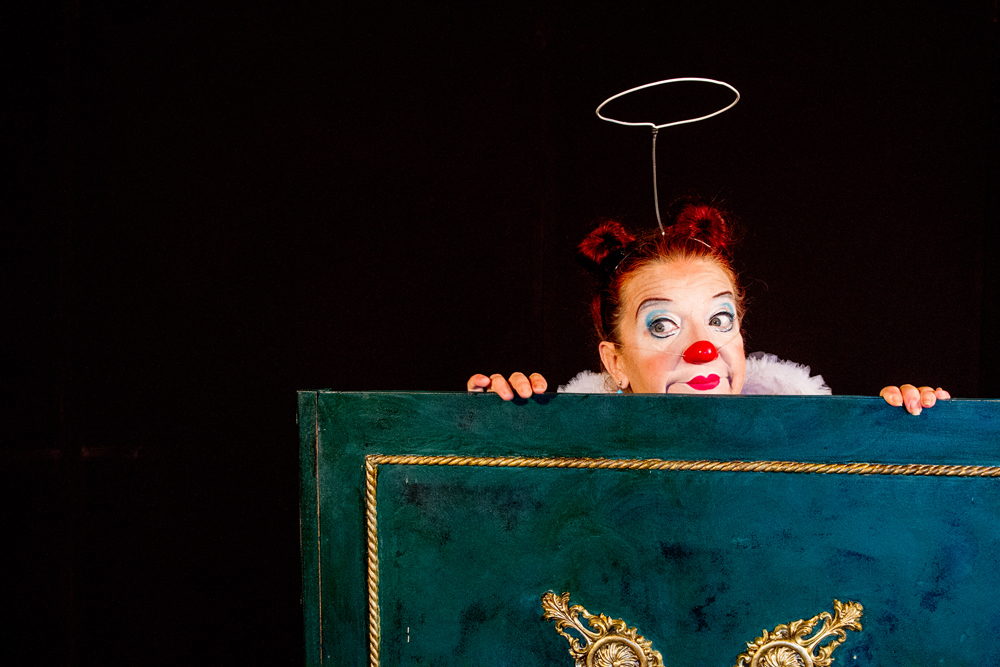
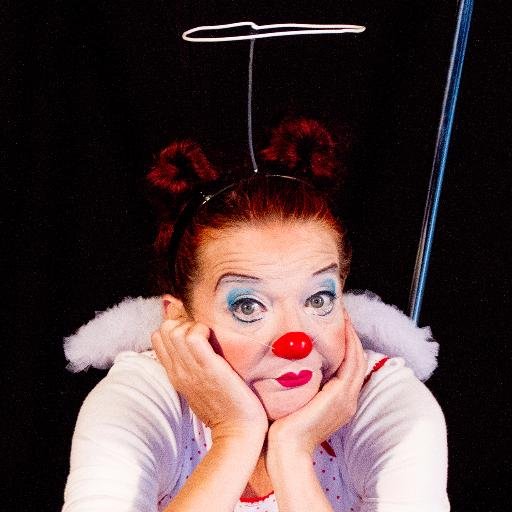
We are on a sideboard in any home where we find some everyday objects in which a painting with four singing angels stands out, it is a Painted Paradise. We have been seeing it all our lives and we had not realized that there is a different one, who has the dream of flying to transform into a guardian angel.
A common thread (red) that leads us to explain the different situations of the Greek myth. This thread allows us to make and unmake a tapestry, where the protagonist, this clown Pepa/Penèlope, despite waiting for her Ramón/Ulysses, enjoys sharing the most poetic and tender situations of this wait as well as the most absurd and comical.
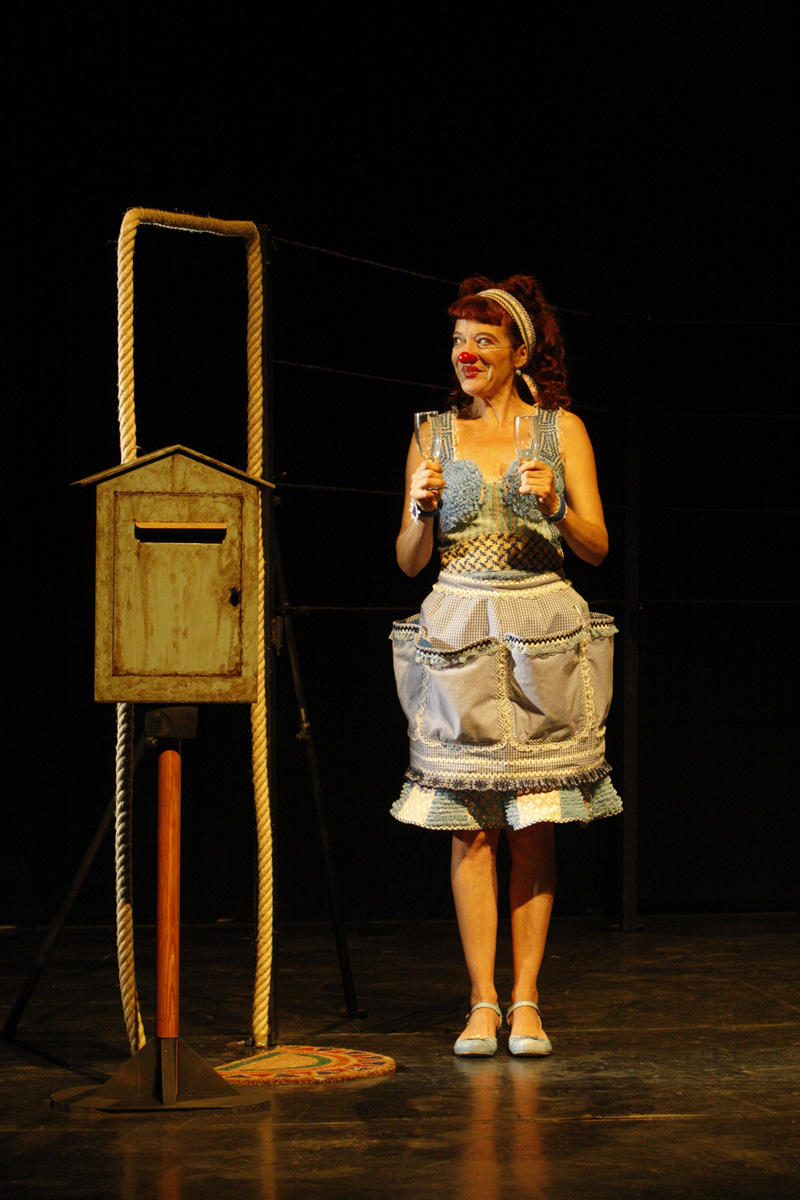
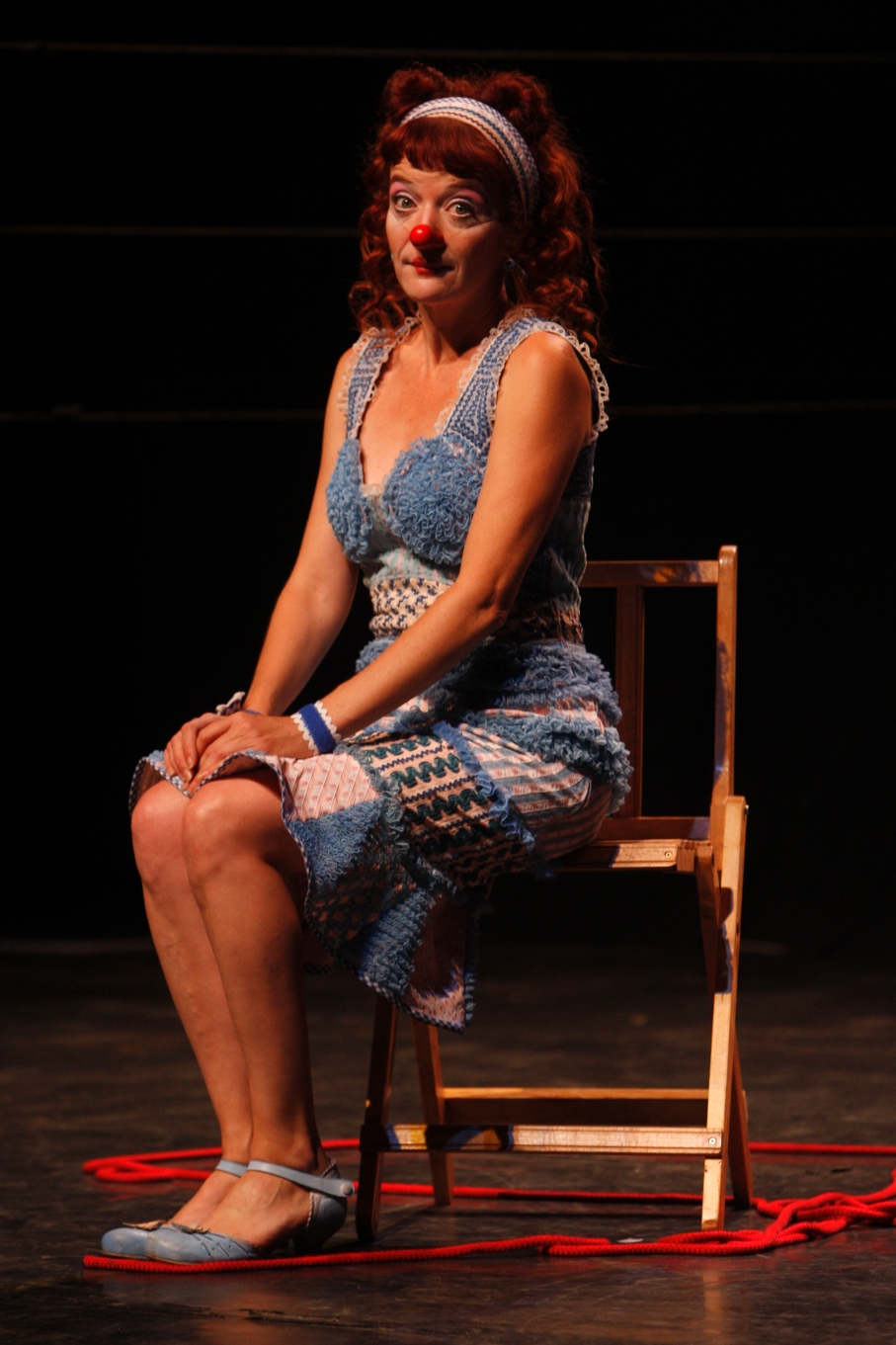
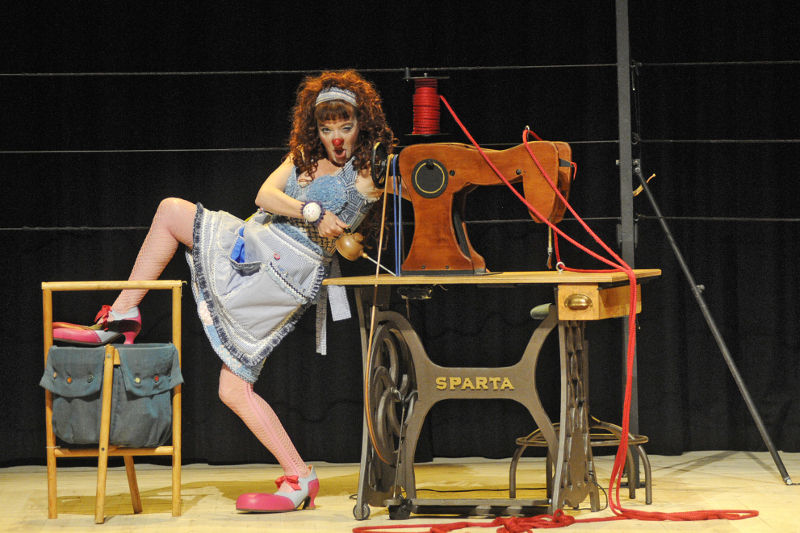
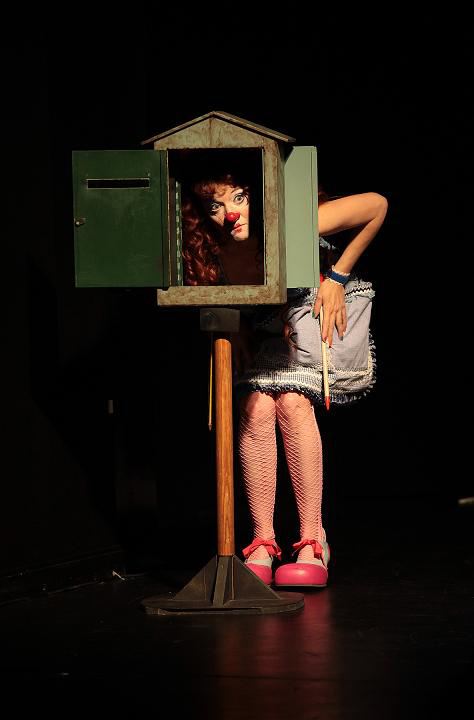
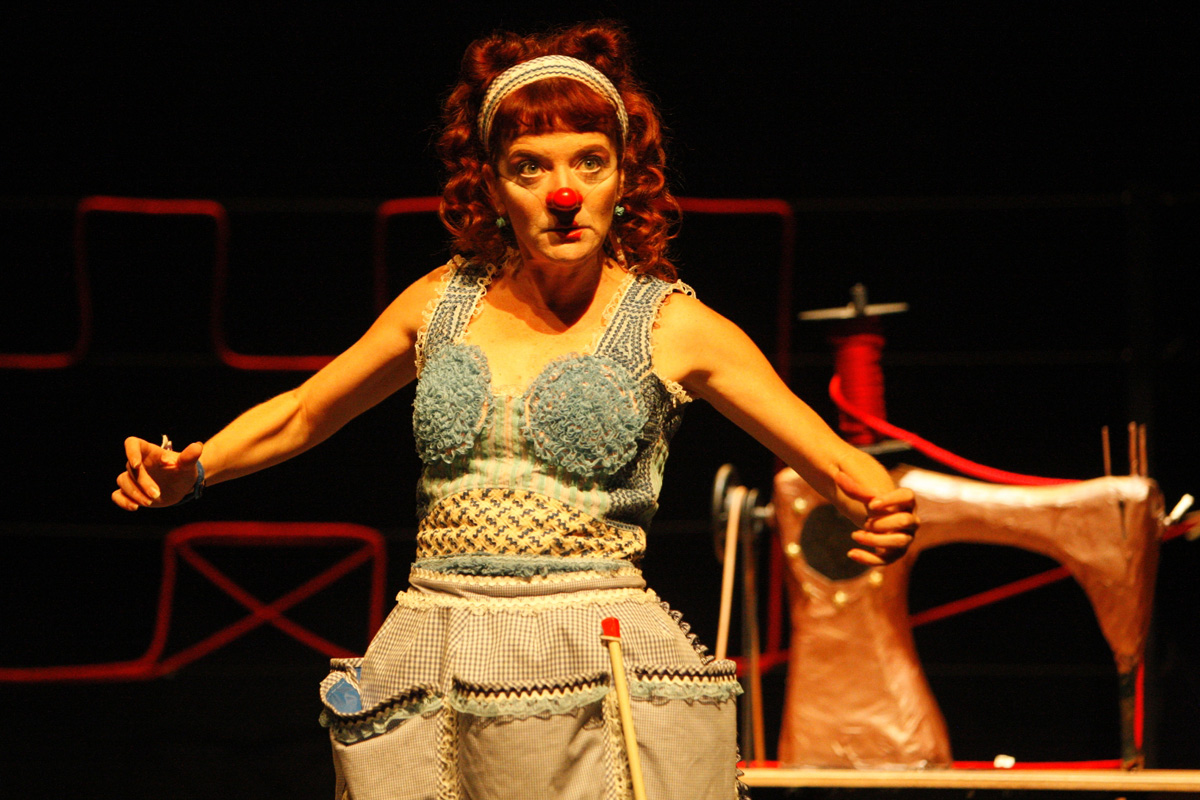
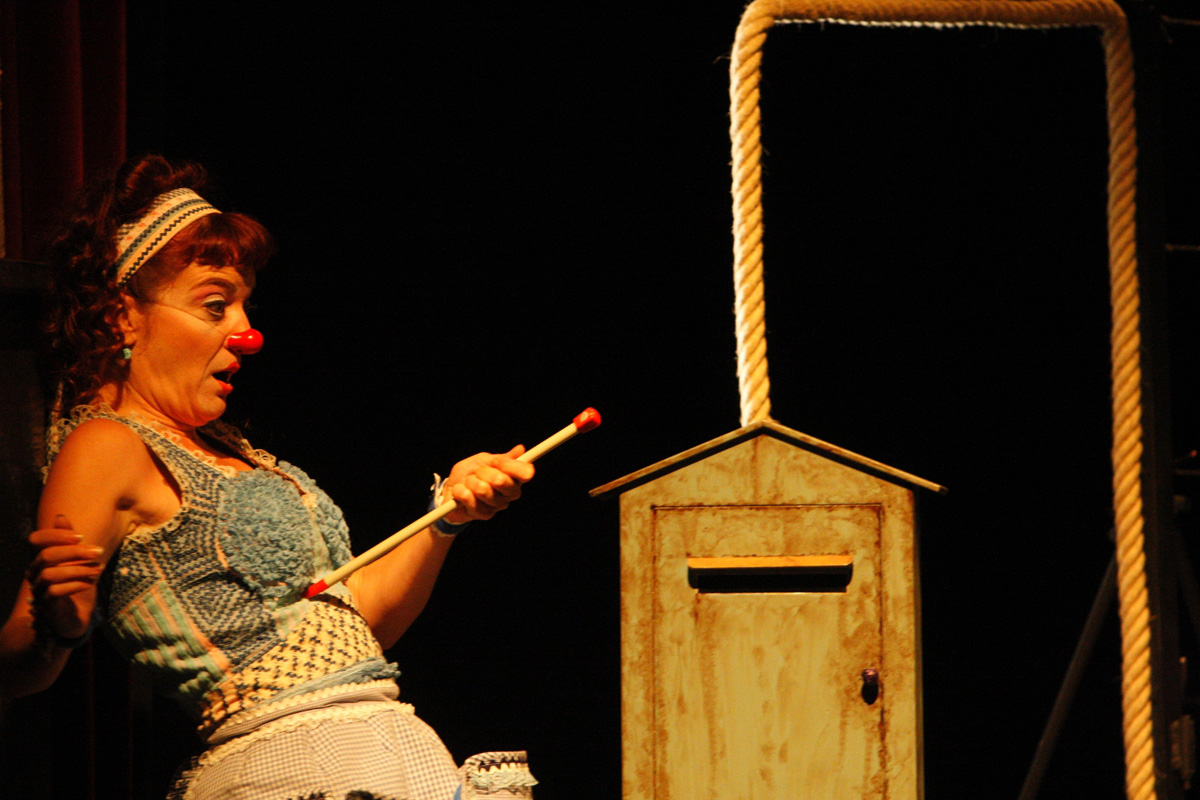
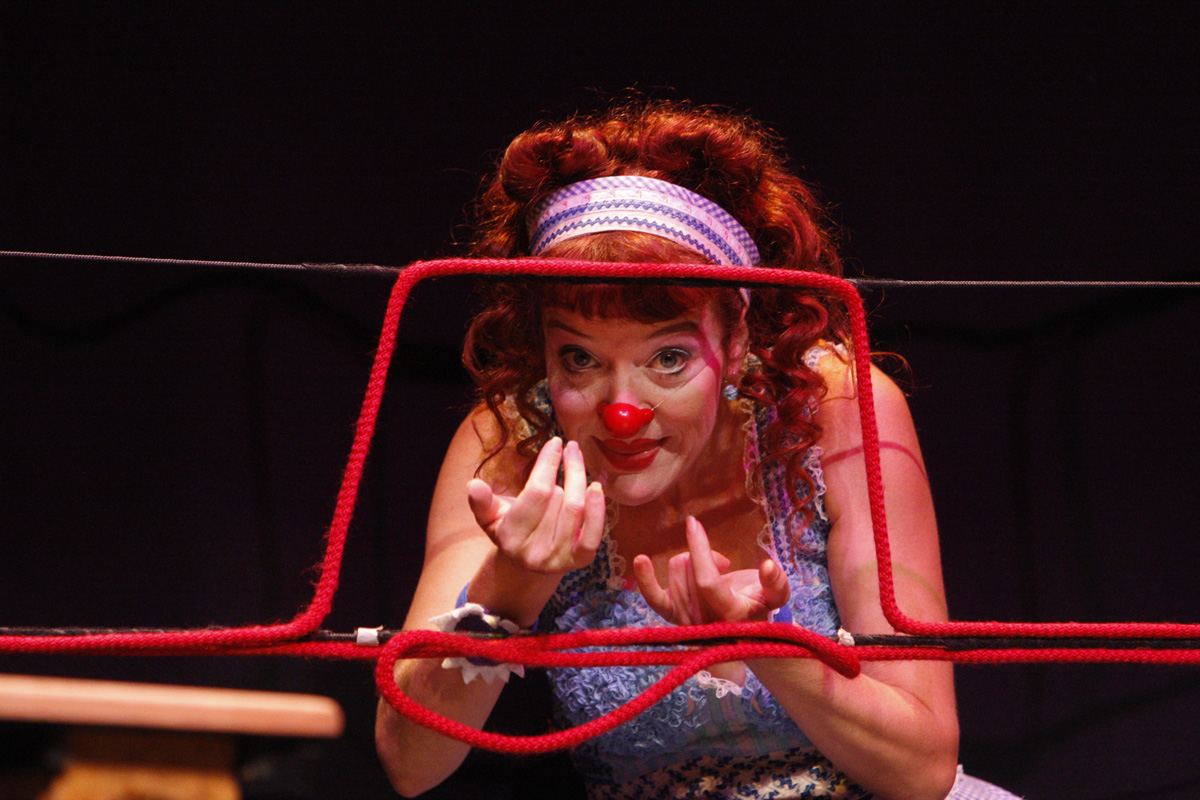
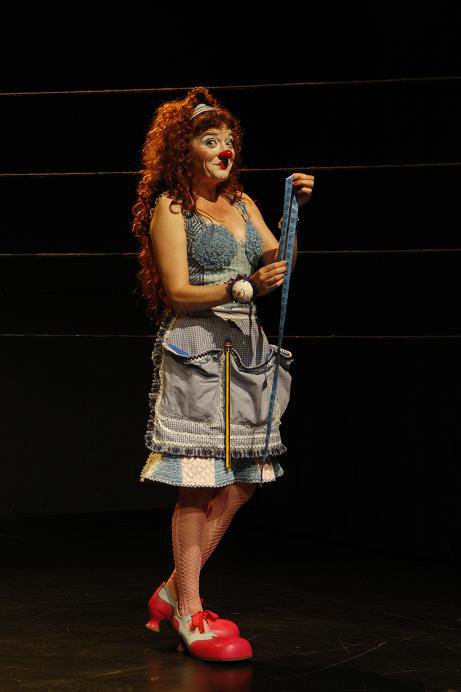
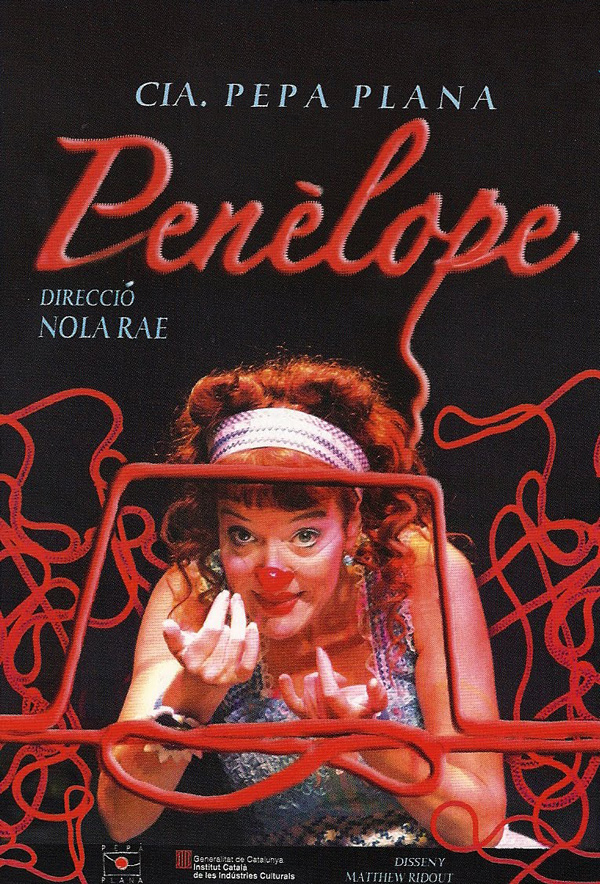
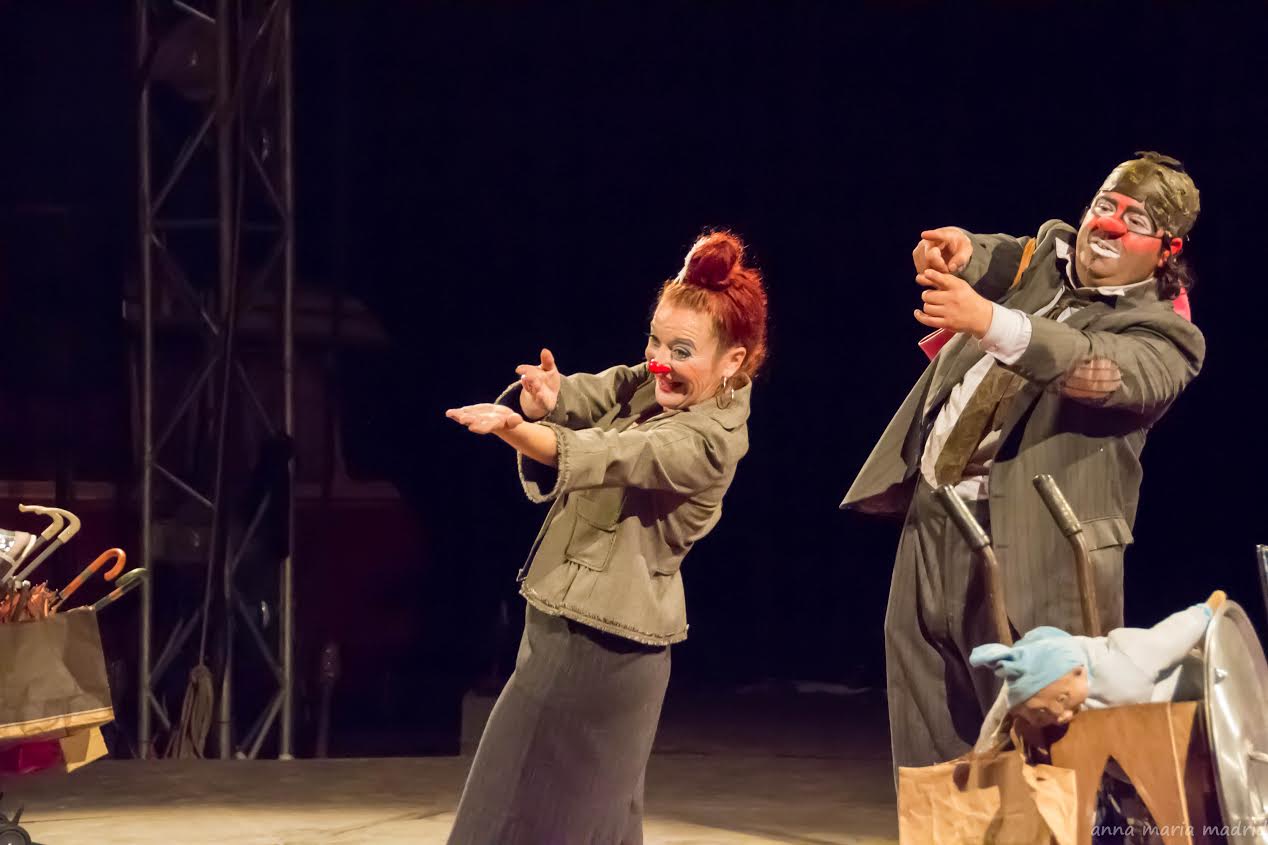
Based on very everyday actions of the female imagination, three characters with three different stories; the theater cleaning woman very overwhelmed because she has to do everything alone, a homeless woman who creates her imaginary family with what she brings in her cart and a gypsy woman who is half acrobat and half magical, pass through the scene where we will immediately recognize ourselves by their proximity.
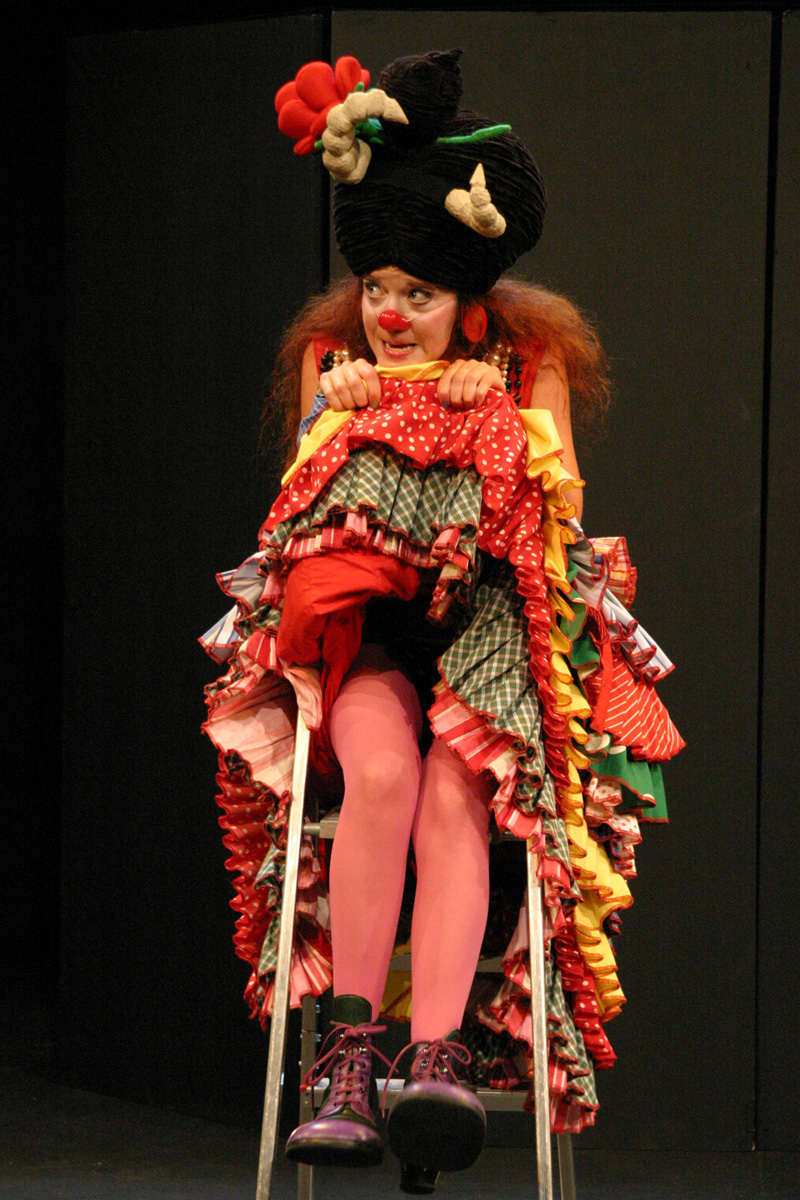
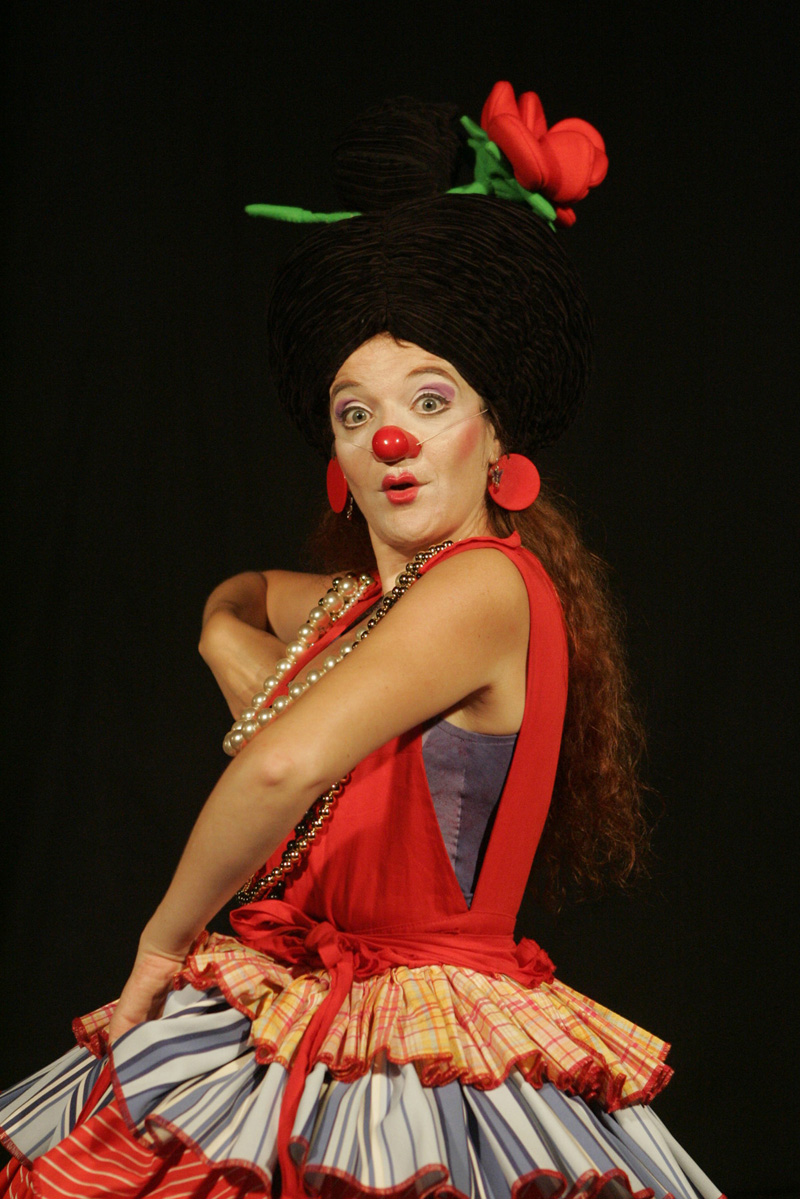
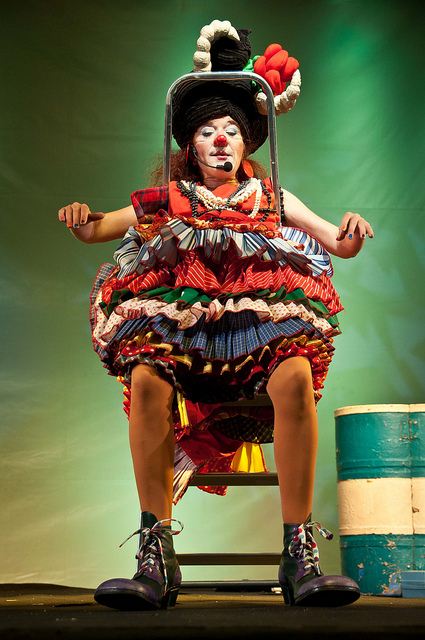
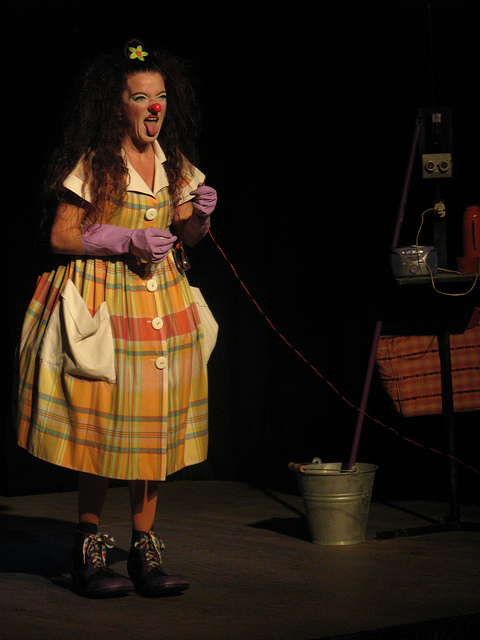
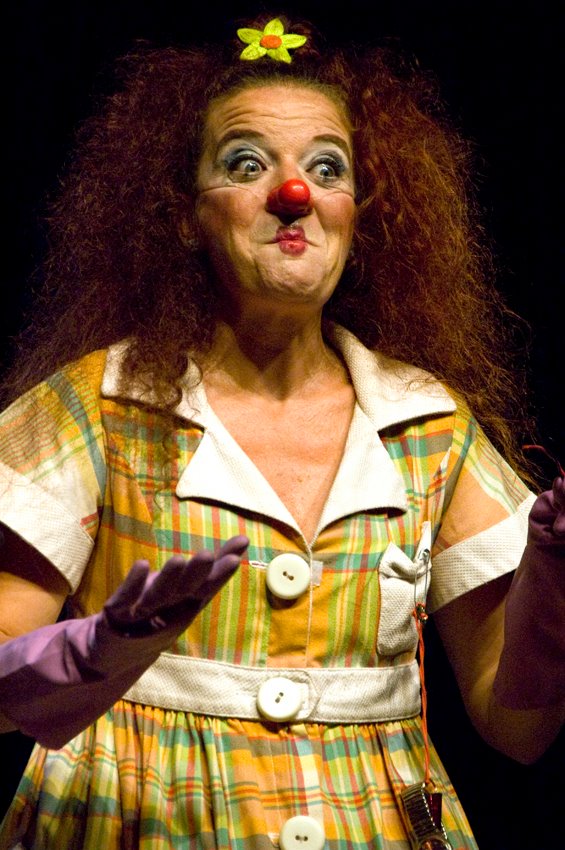
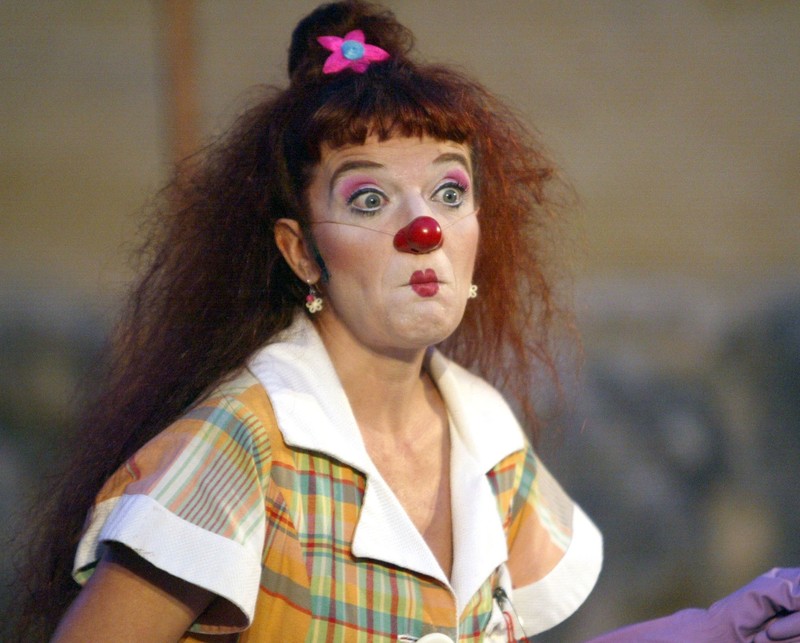
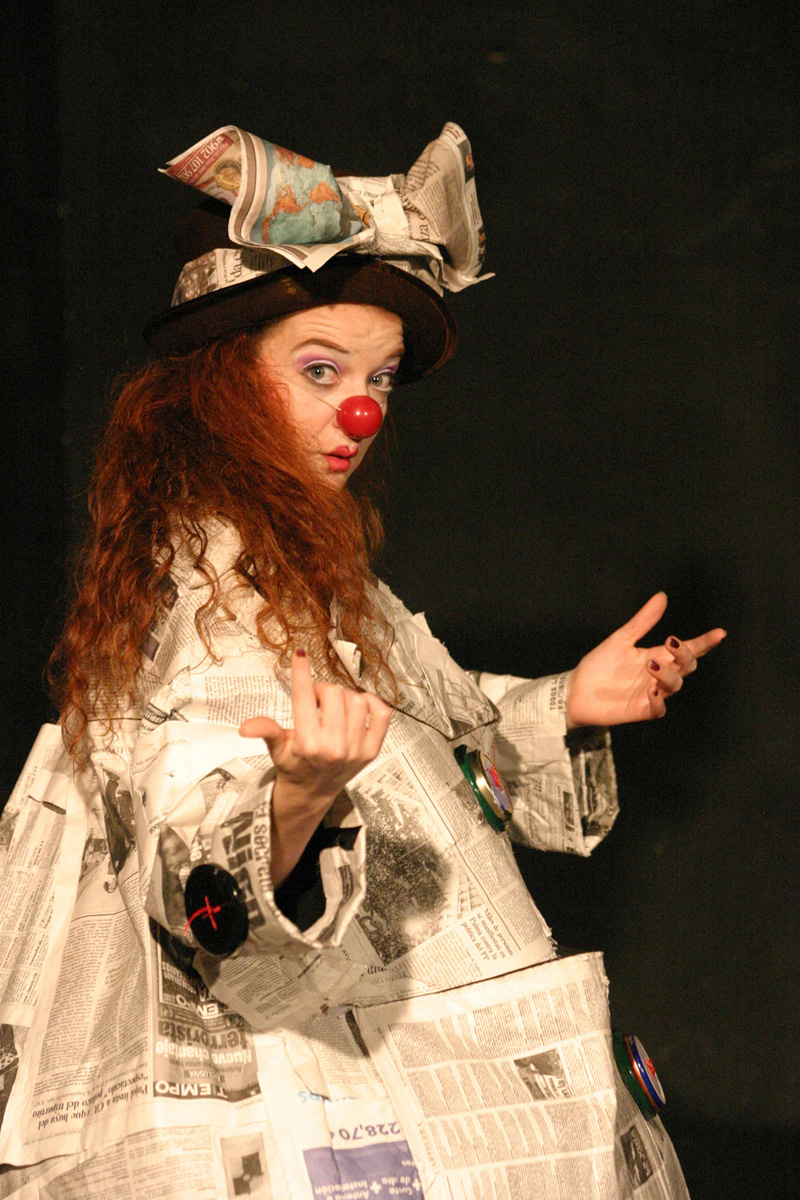
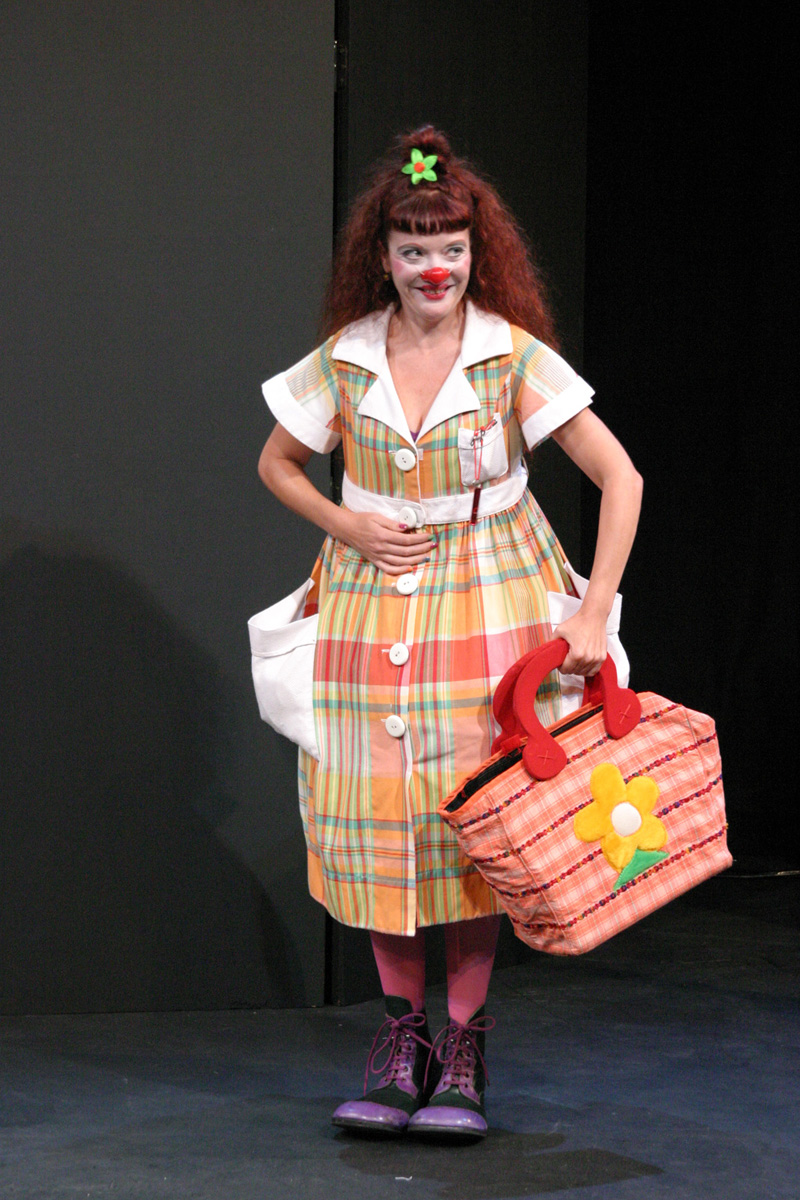
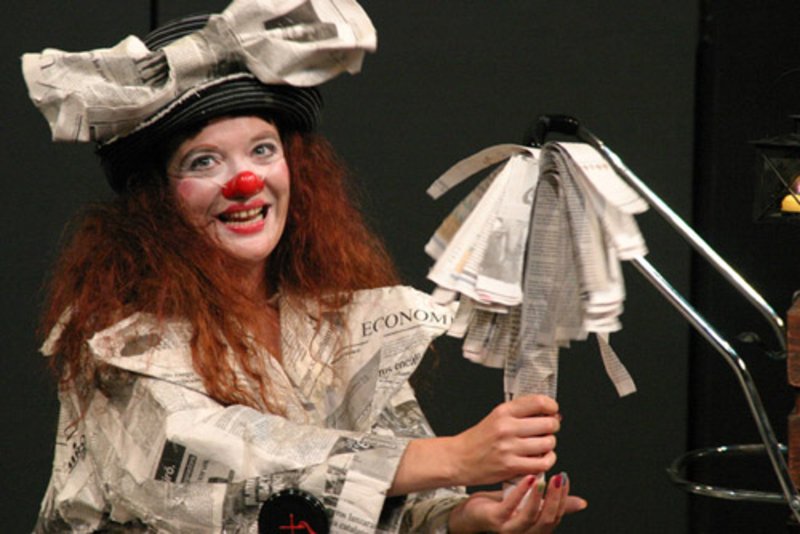
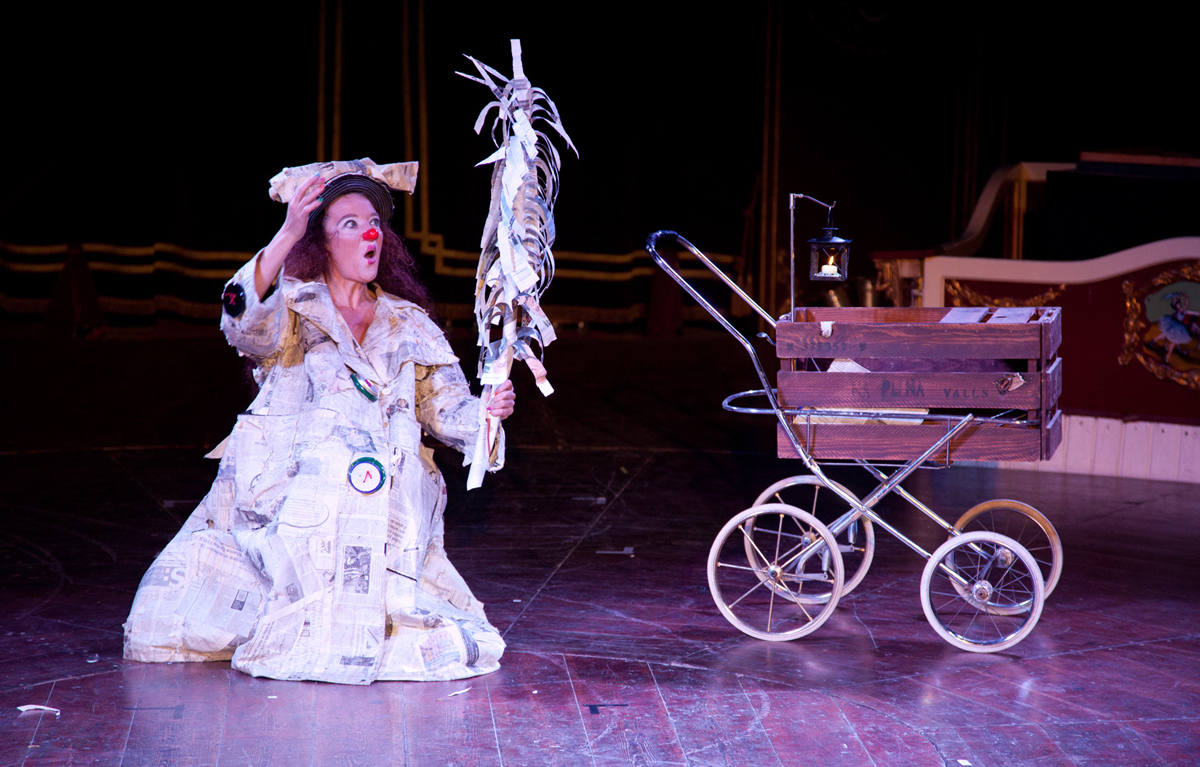
The play begins just as Pepa learns that she has just been kicked out of a major theatrical production where she was going to play the lead role… or so she imagines. This is only the starting point, as Pepa is determined to carry out the project on her own. “Giulietta” is a show that is enriched by direct contact with the audience, and that discovers the clown’s perspective from the perspective of a woman.
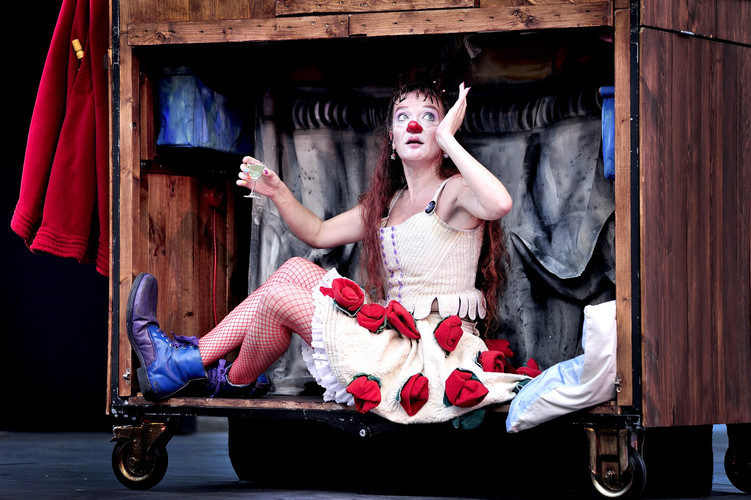
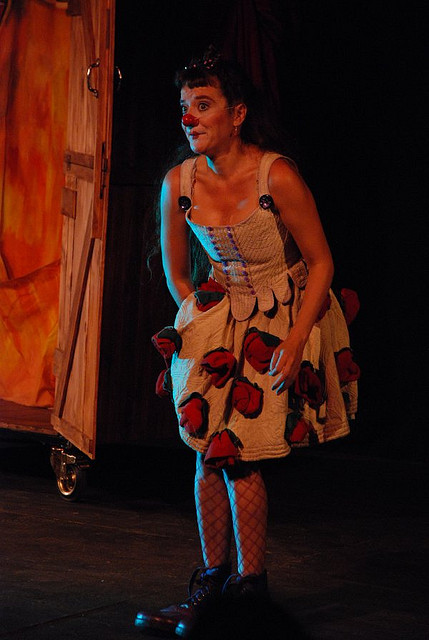
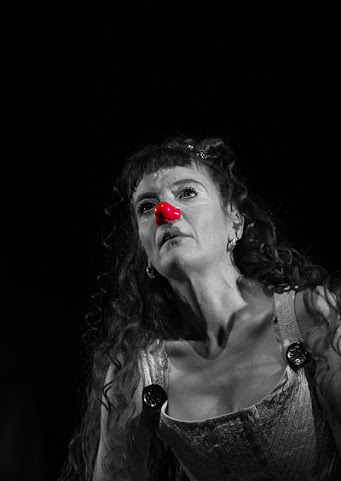
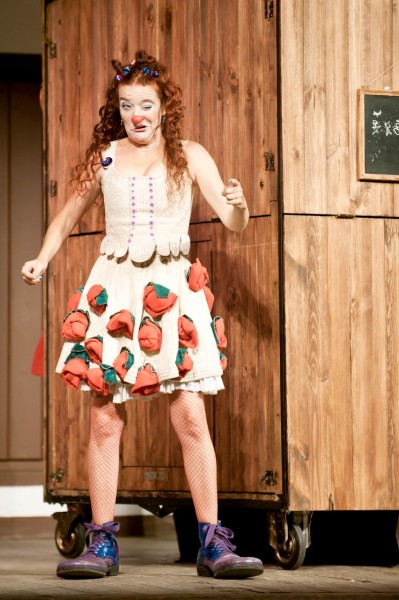
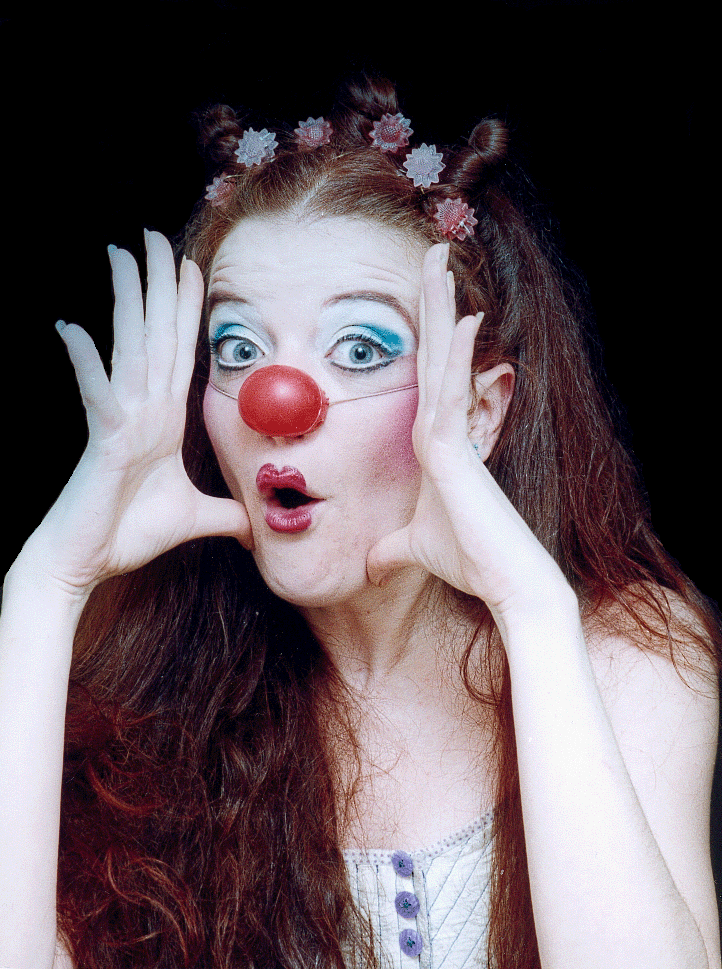
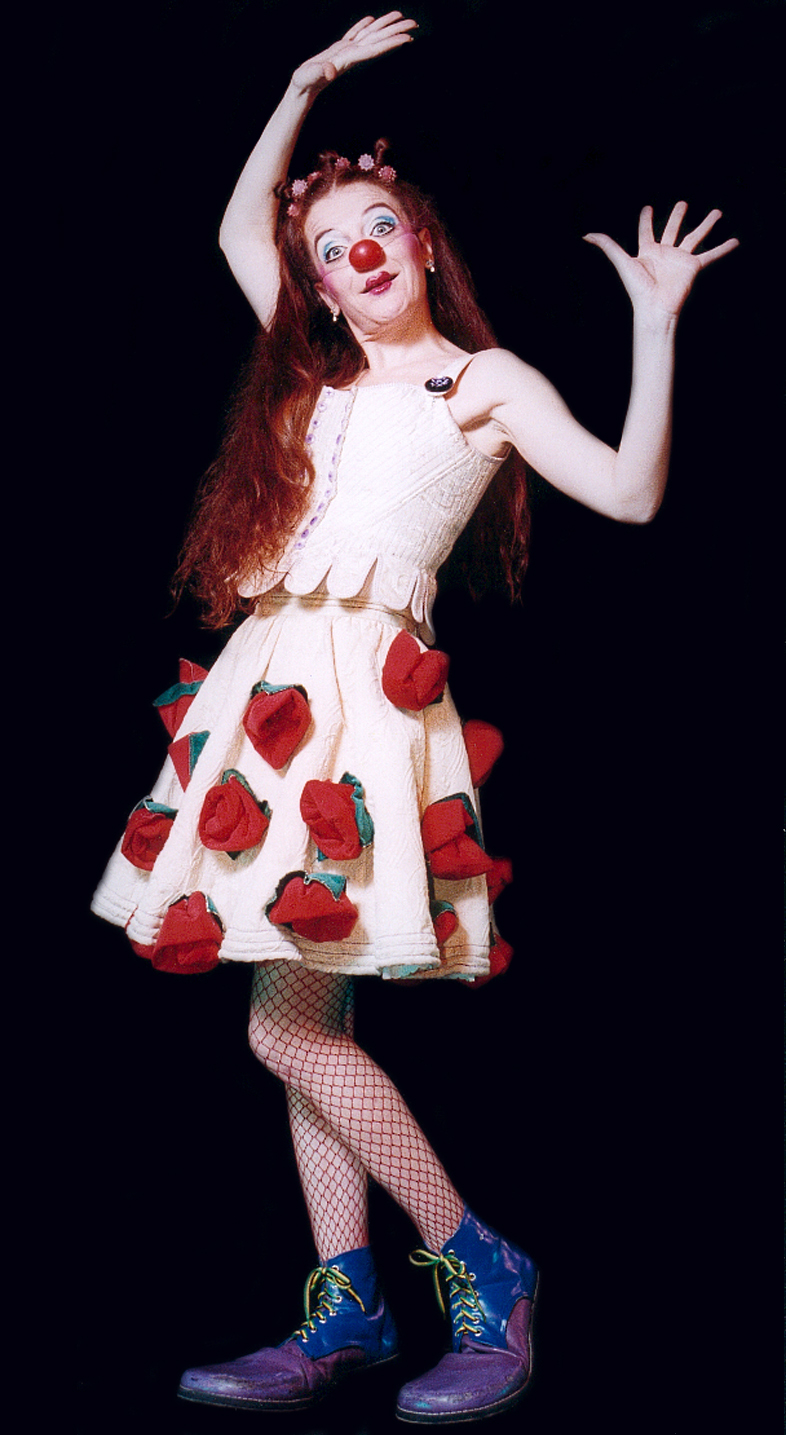
Comprised of a series of numbers that begin with a memorable and hilarious parody of La Vaca Cega, the poem by Joan Maragall, in De Pe a Pa, Pepa Plana plays the role of poet and rhapsode, irreverent, but full of humanity. He tells us a Chinese story, talks to a potato and shows us how cruel human existence can be.
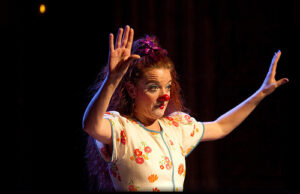
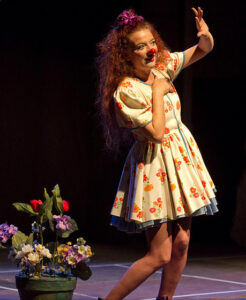
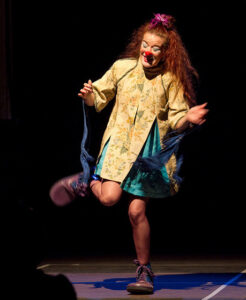
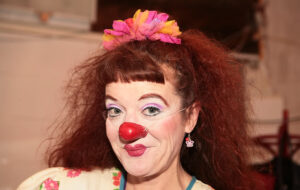
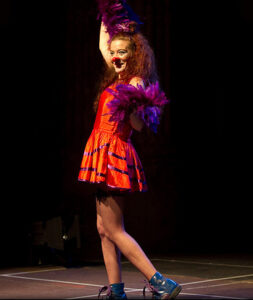
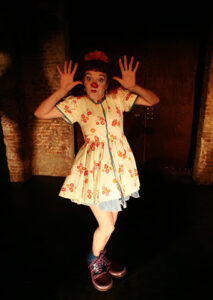
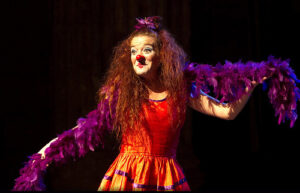
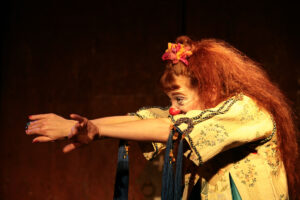
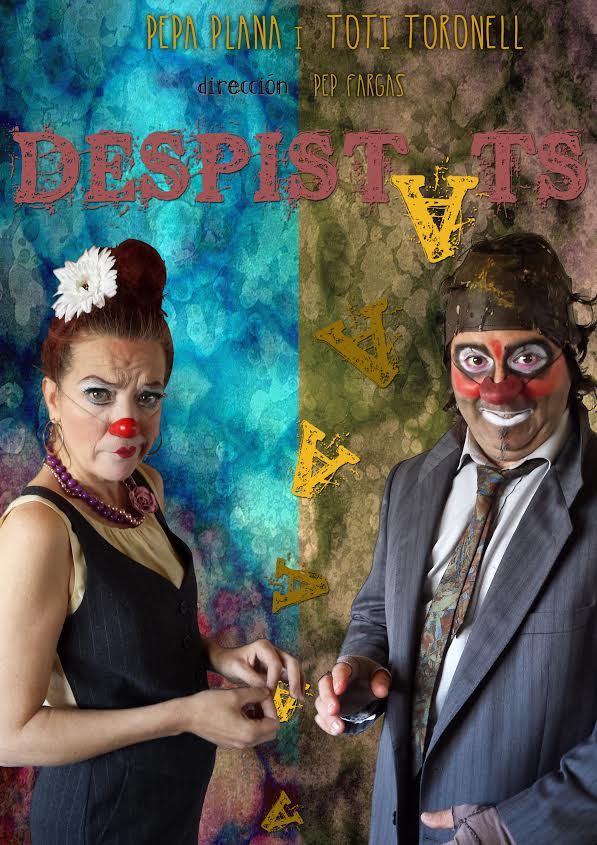
Two worlds coexist side by side. Two realities. A clown and a clown tell it to us, each in their own way. Two complementary visions, two sides of the same coin. Two contradictory stories in which big problems have easy solutions and small problems can be really complicated. The world, they say, is very unfairly divided.
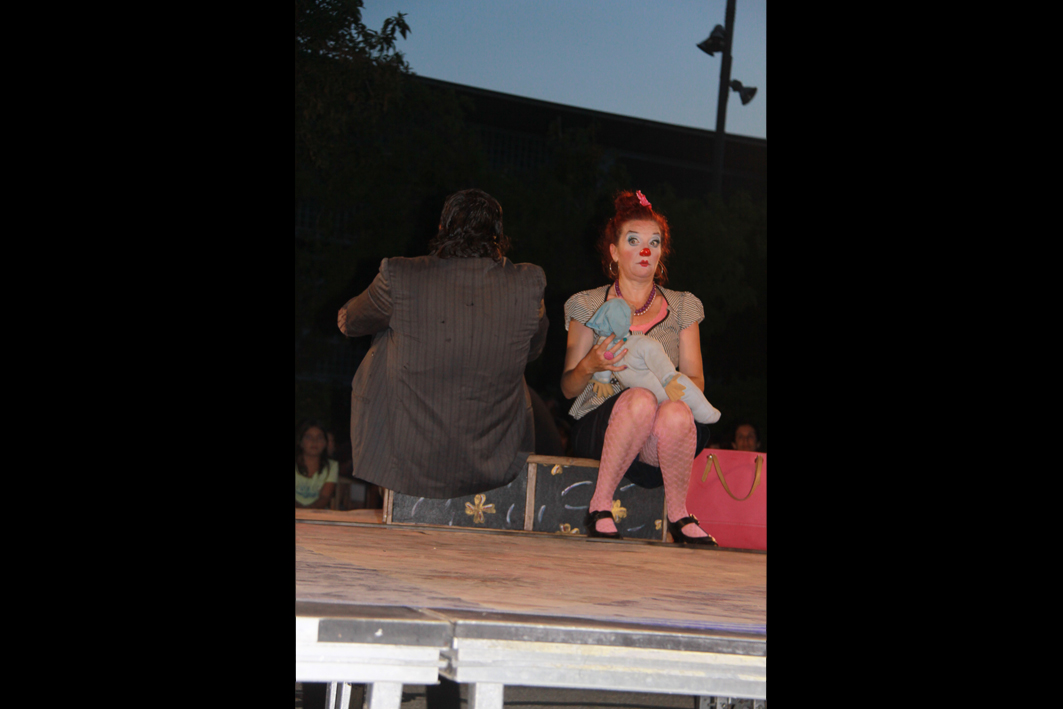
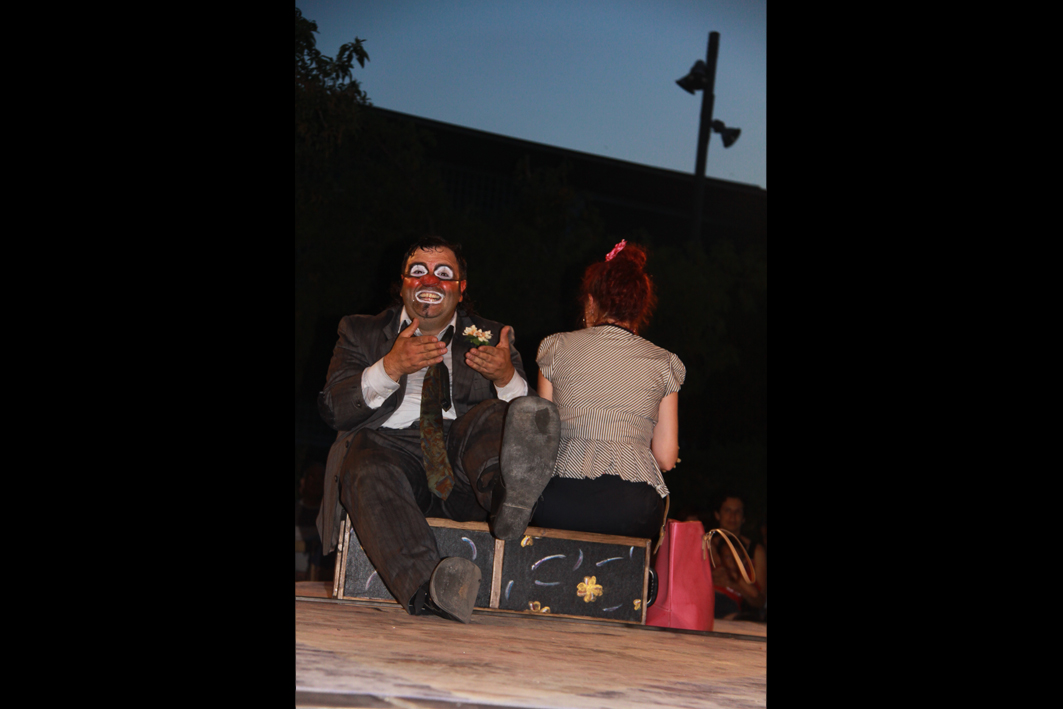
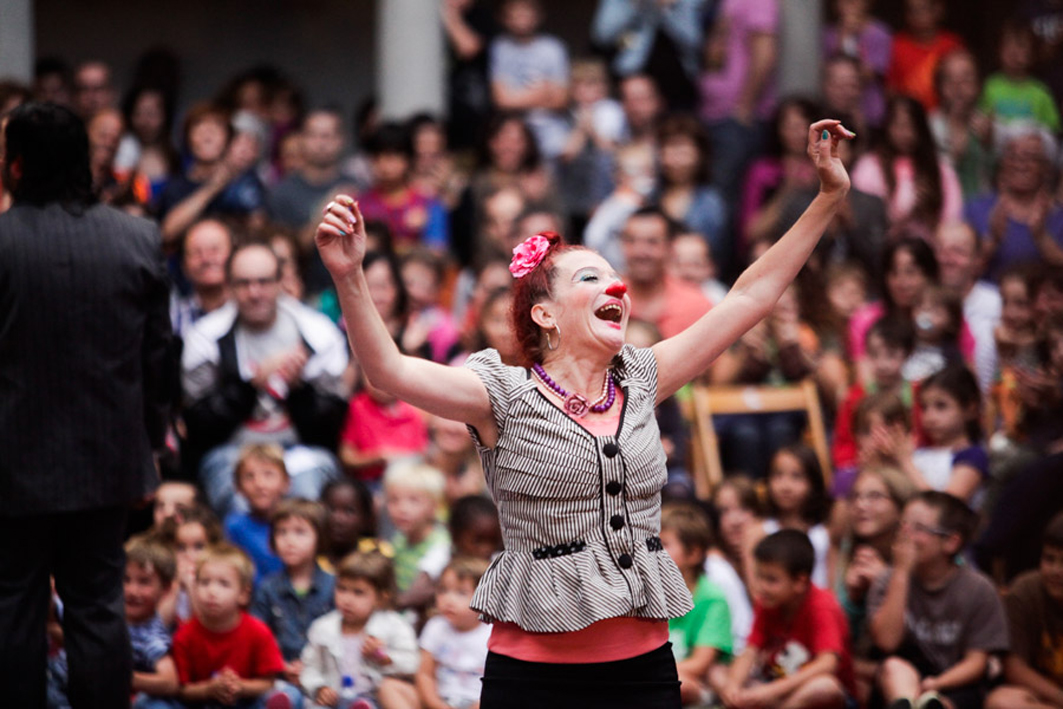
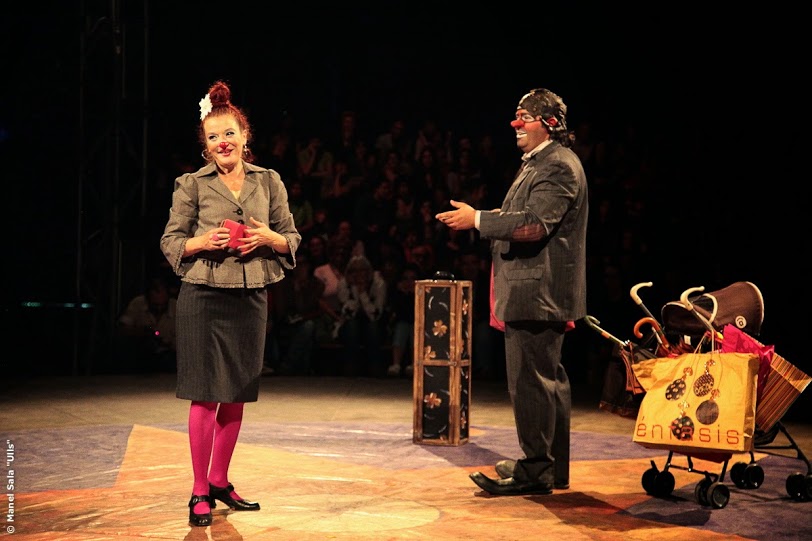
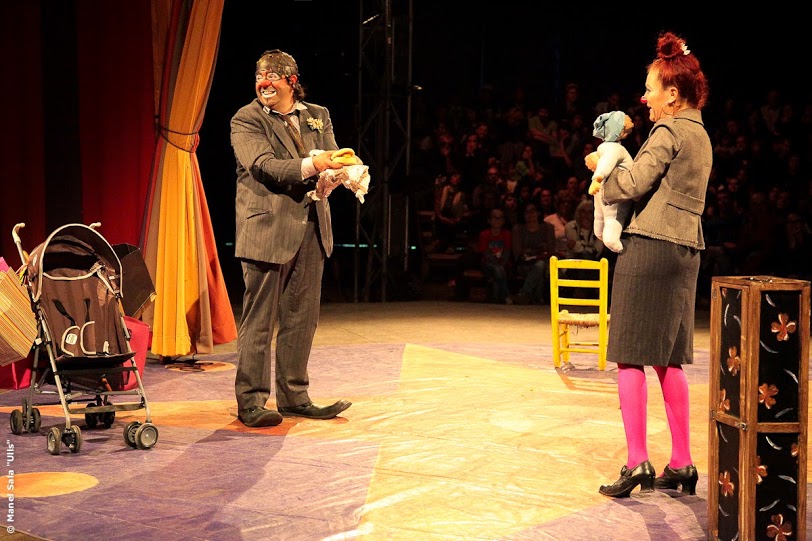
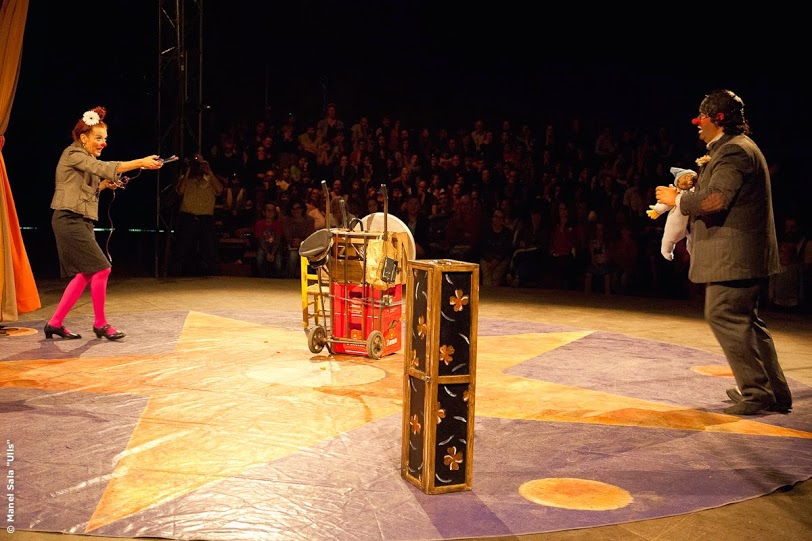
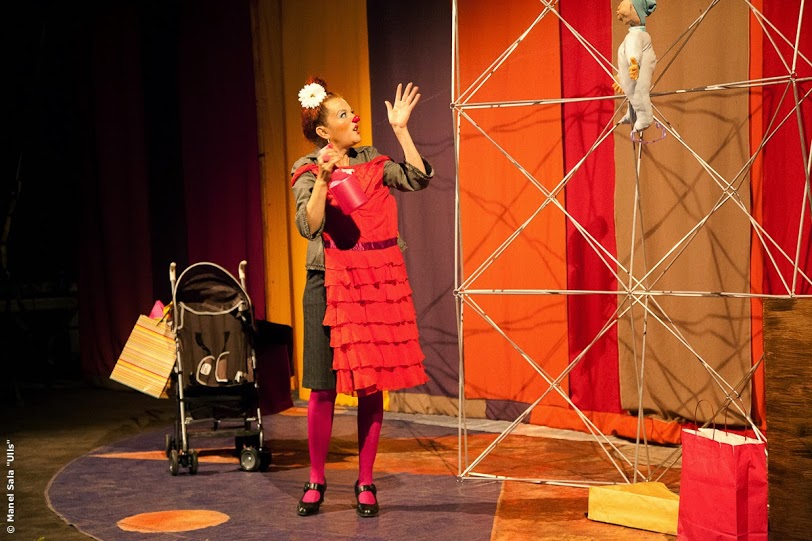
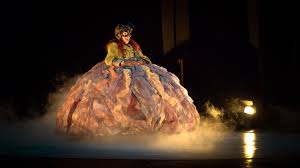
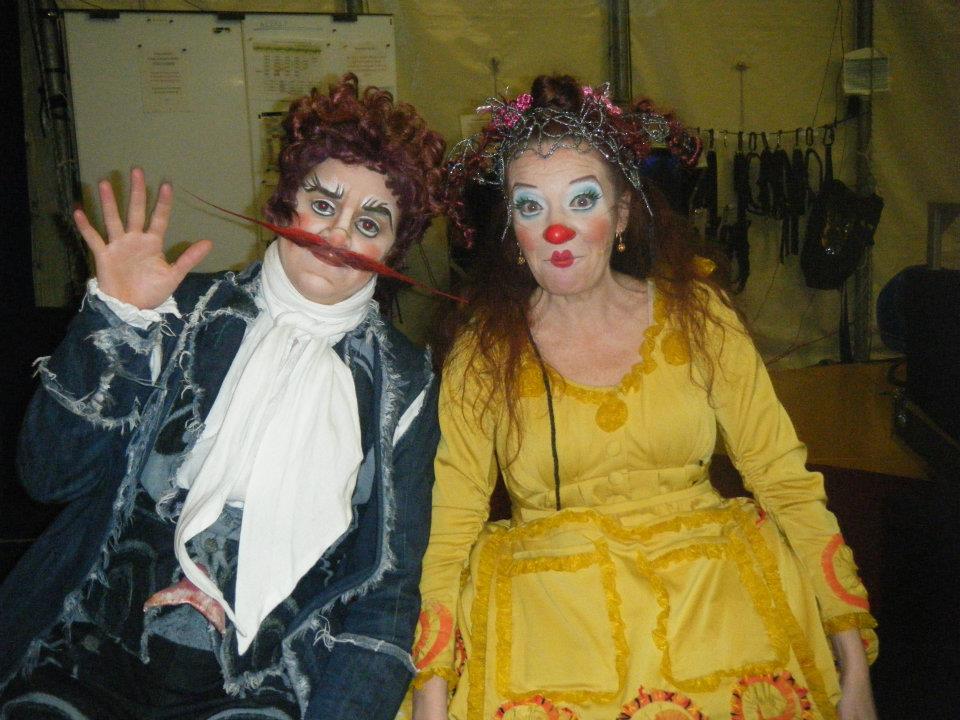
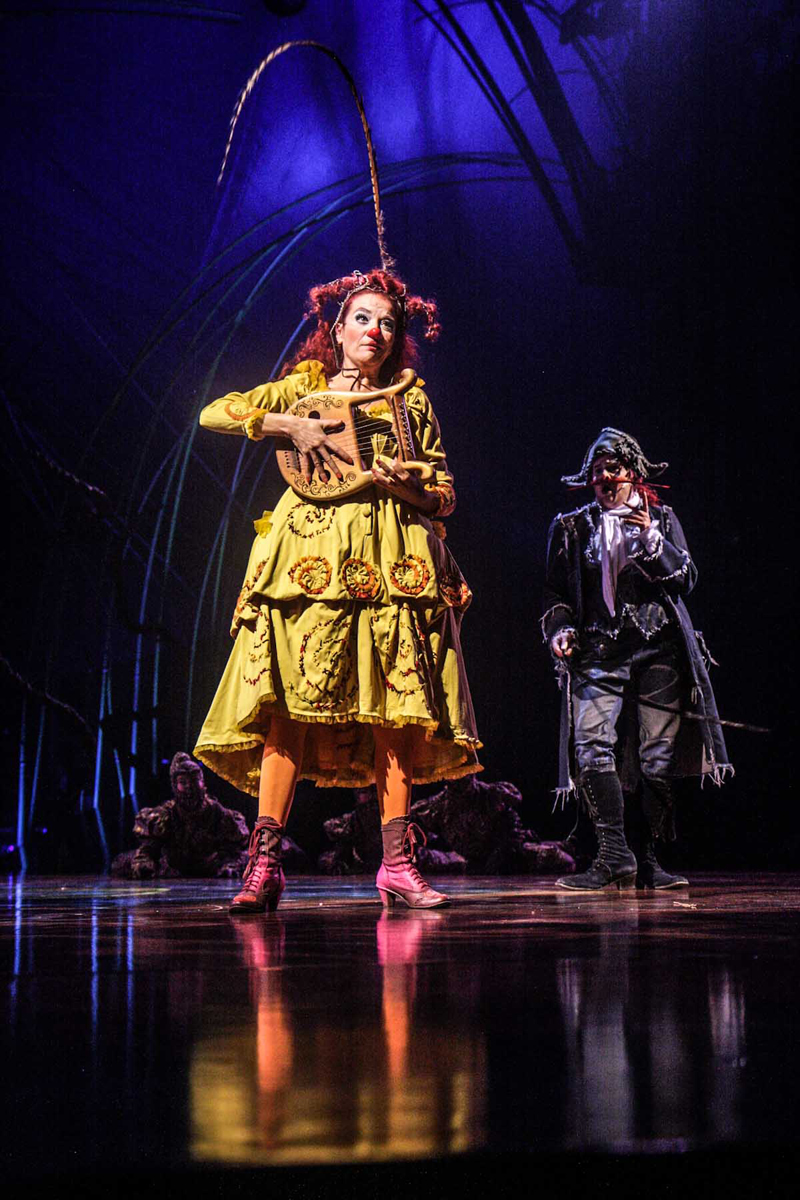
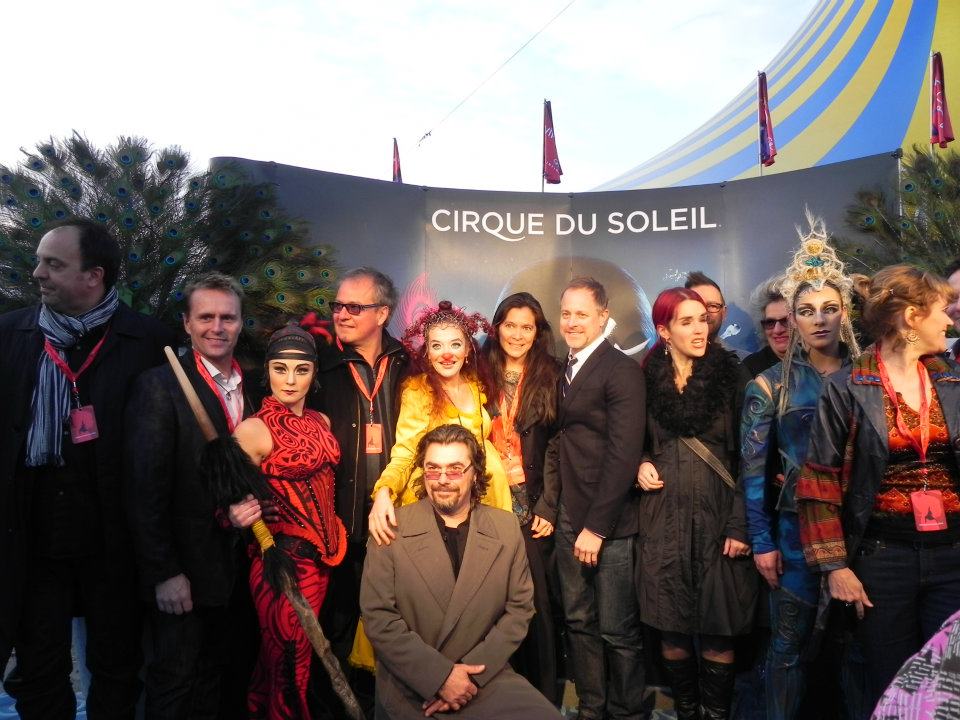
Amaluna is inspired by William Shakespeare’s ‘The Tempest’, this is its starting point. The plot is set on an island of women, where there is a celebration of Miranda, who becomes a woman. However, the storm arrives on the island and, with it, the men. “This is where all the trouble begins”. Then there is a love story between Miranda and Romeo and different Shakespearean characters are mixed.
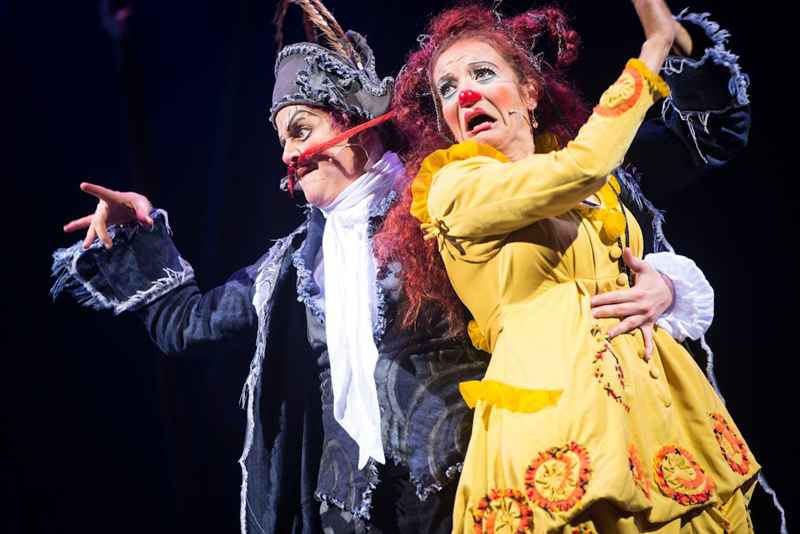
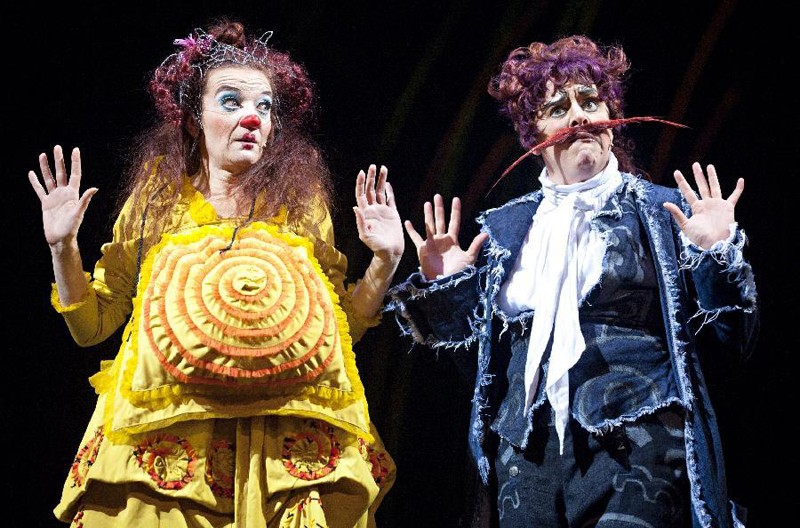
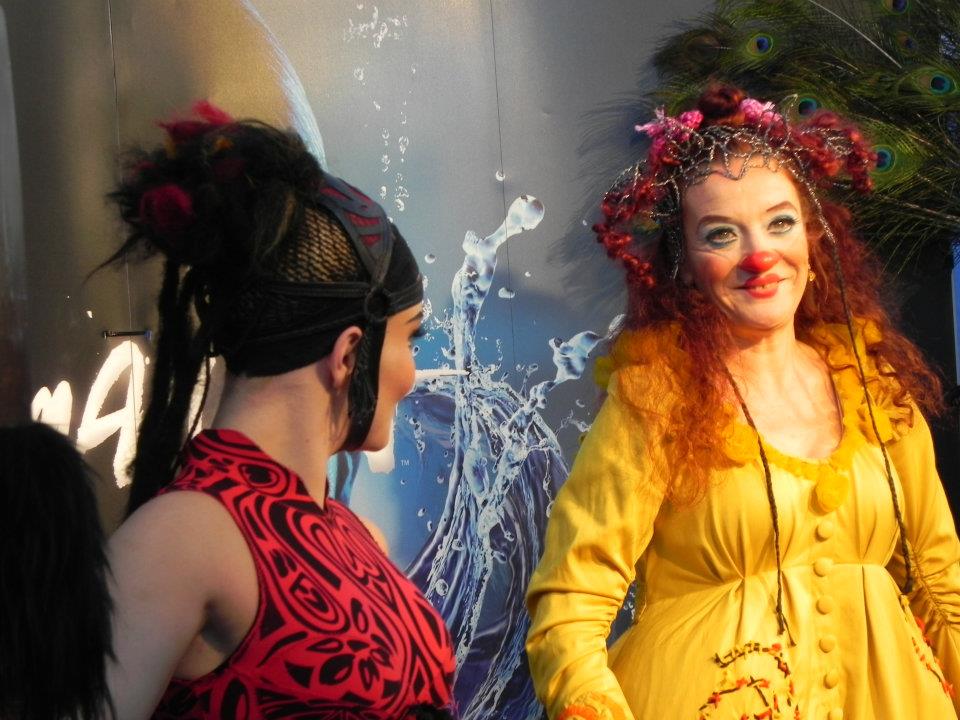
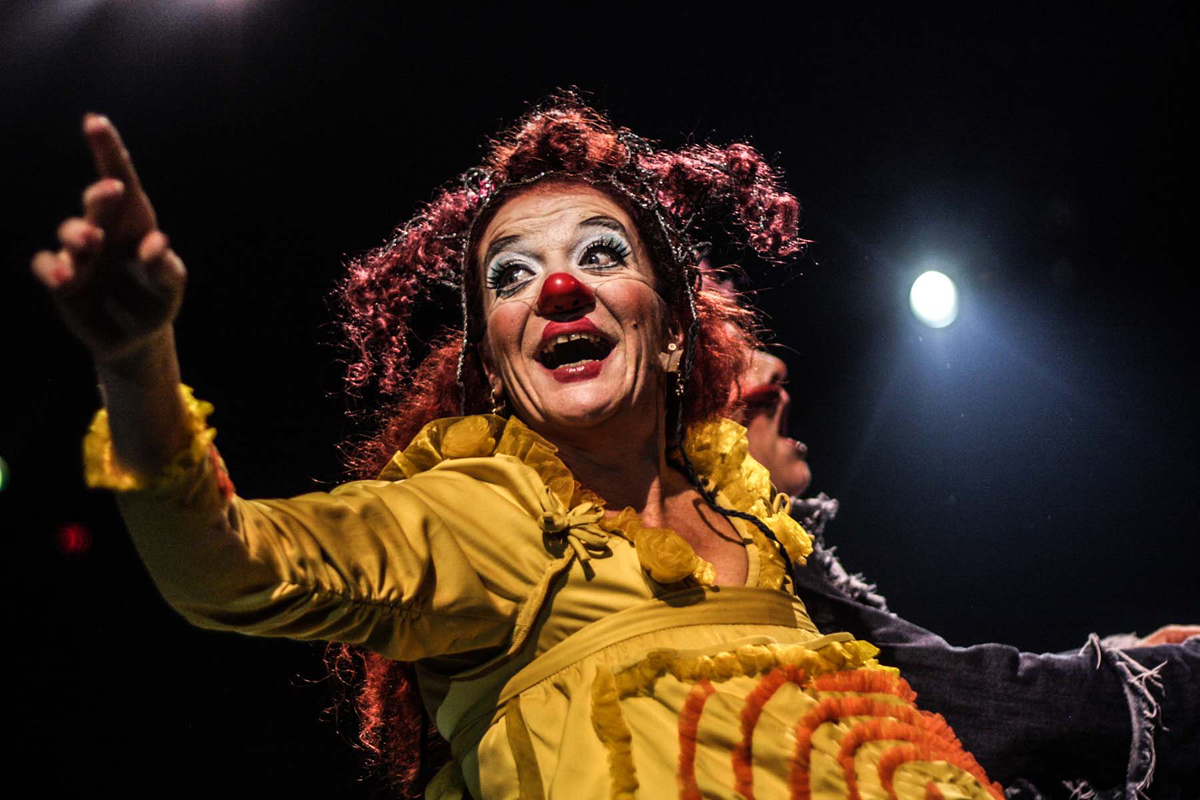
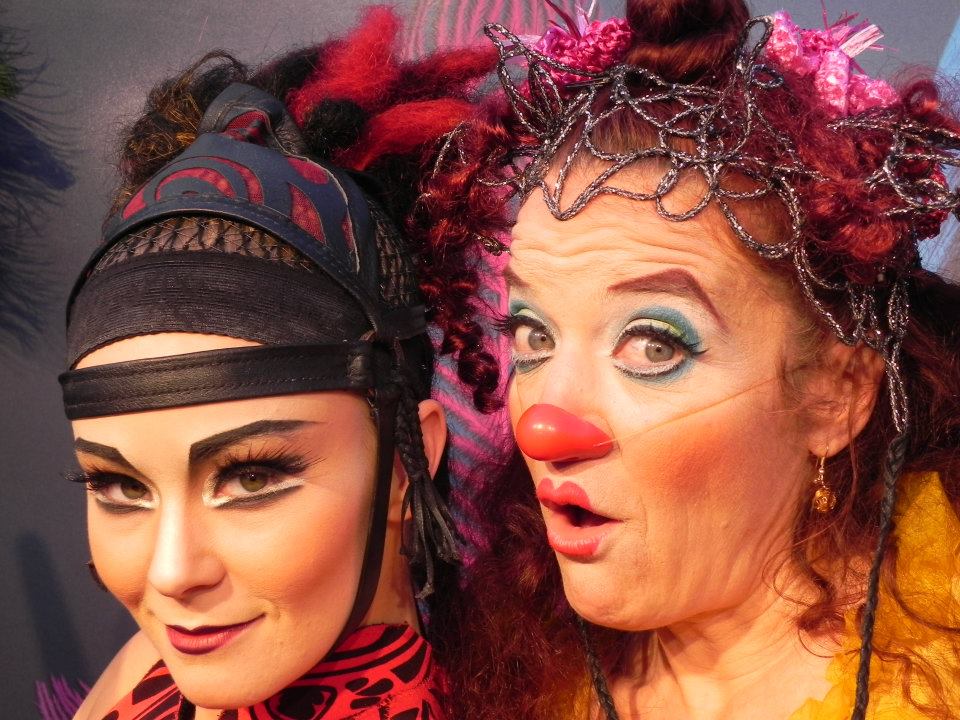
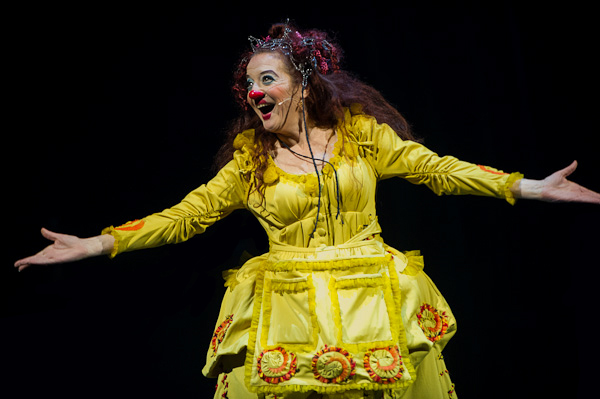
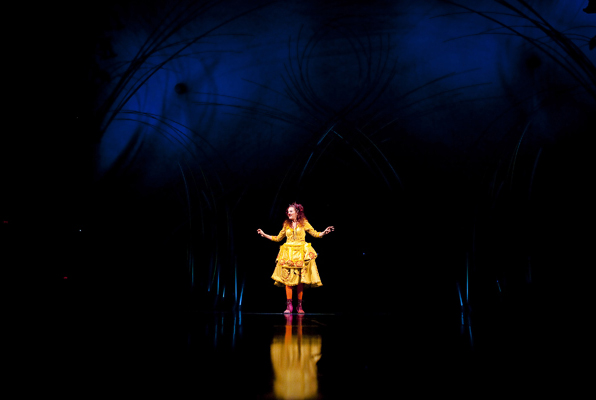
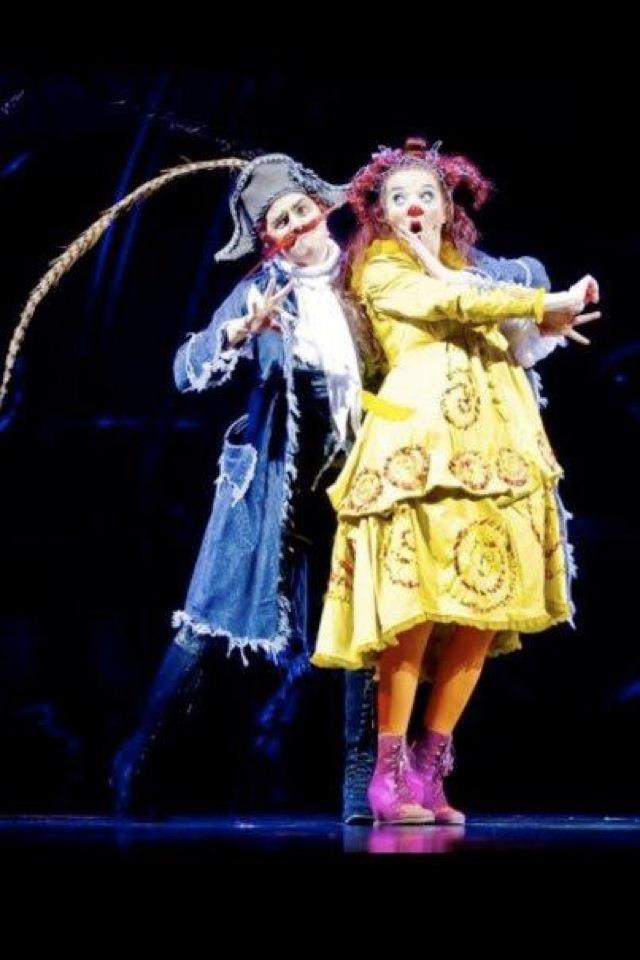
Two clowns and a clown who meet on this path of exodus to recreate the world for us and give us back the pleasure of laughing at the smallest things, but putting their finger on the wound when things bother us. Three forgotten losers who tell us their story with the will to live in our memory. Exodus is a journey of no return that humanity has suffered from since the beginning of its existence…whether for religious, political, hunger, or now also for climatic reasons.
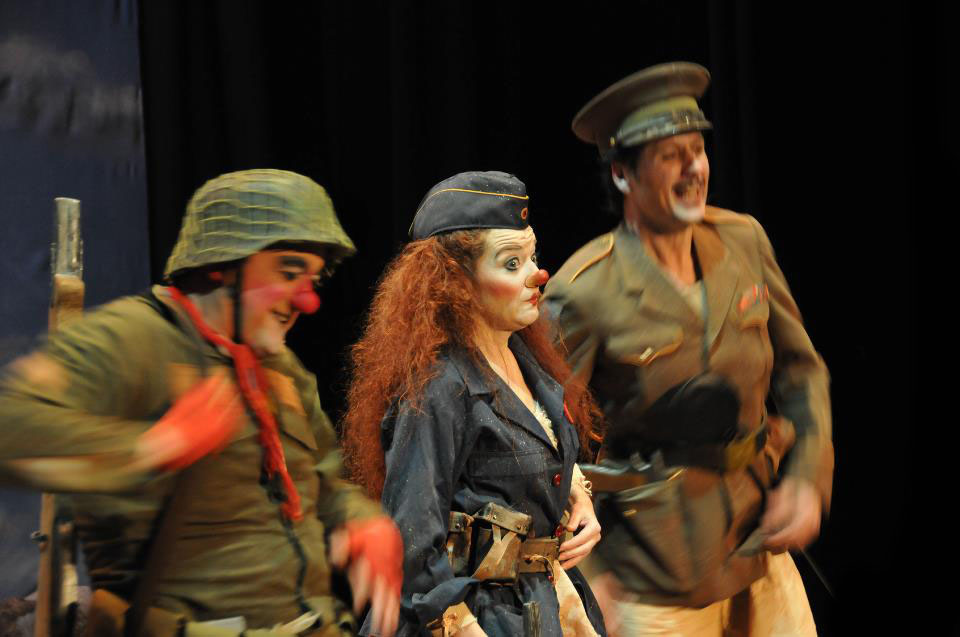
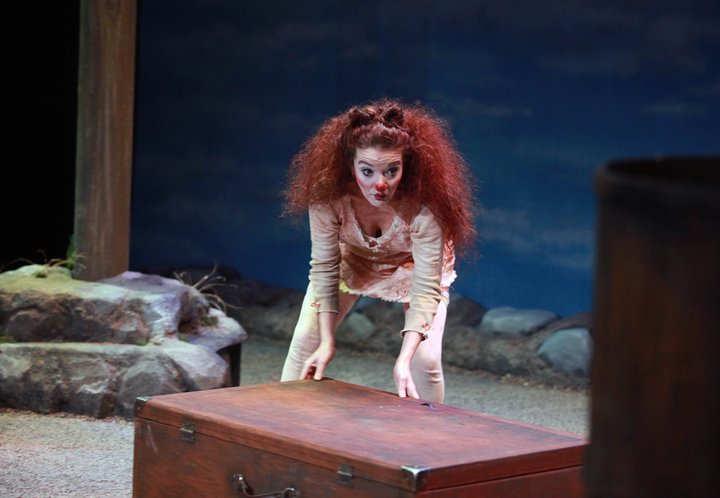
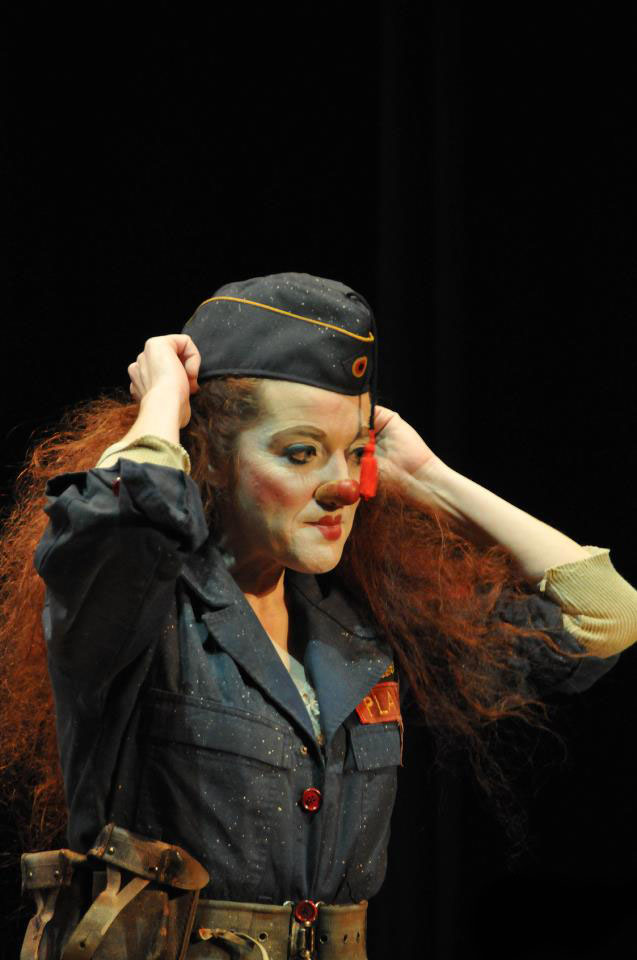
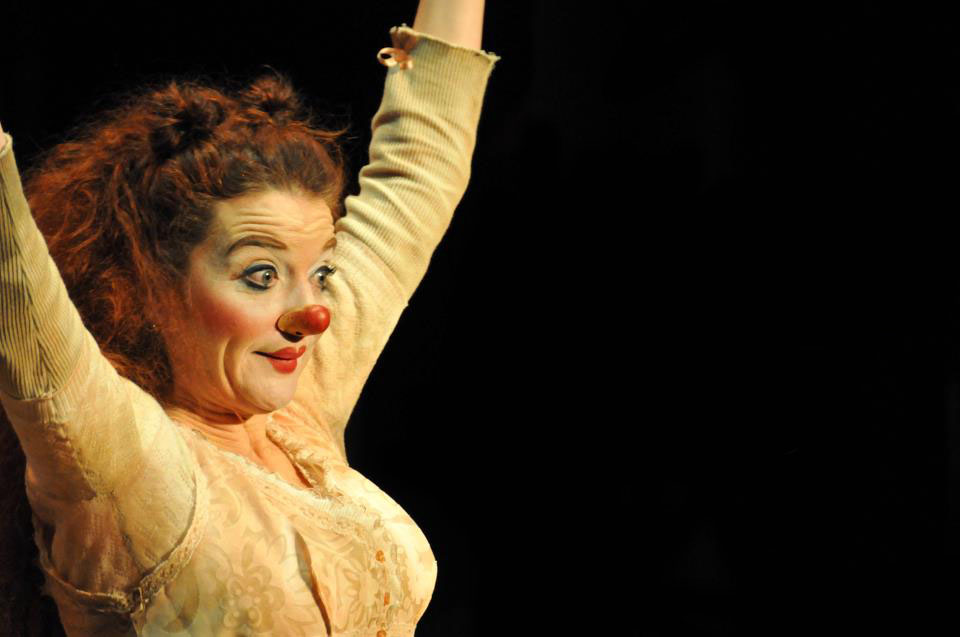
In a world of actors, this clown bursts in with all his innocence, but with the conviction that it is the others who are going in the opposite direction and as the production director, Ester Nadal, says: “he frees us from psychoanalytic readings and excessively restrictive interpretative clichés.”
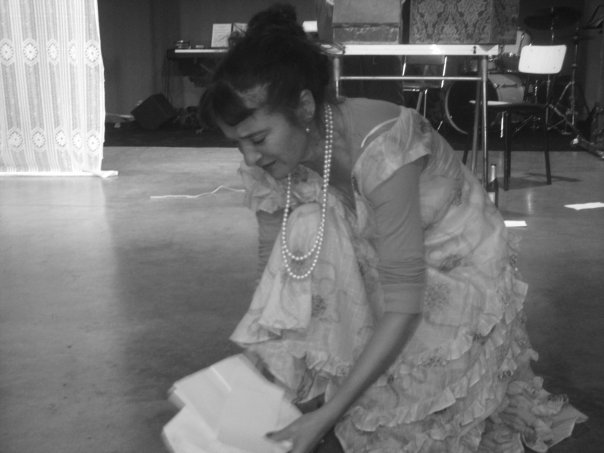
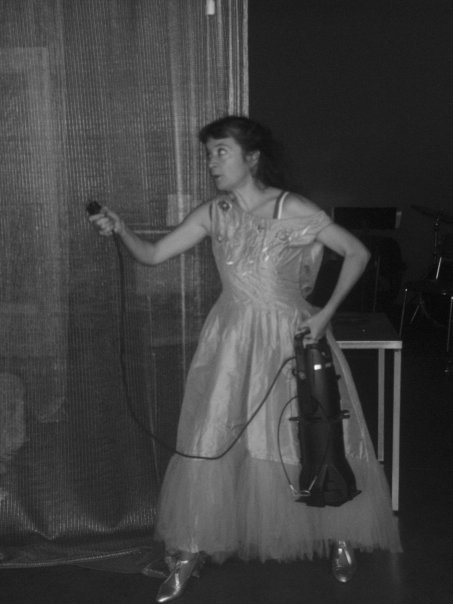
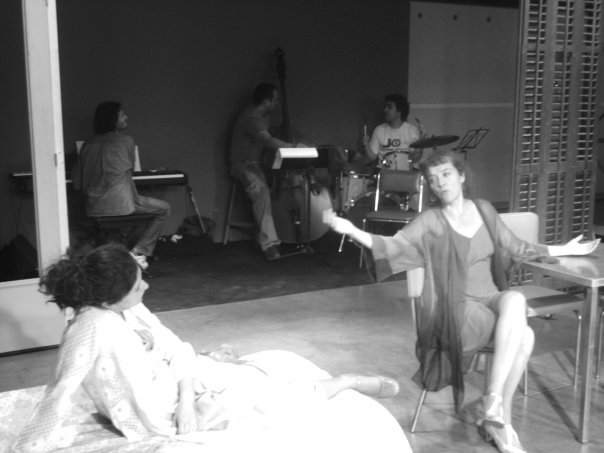
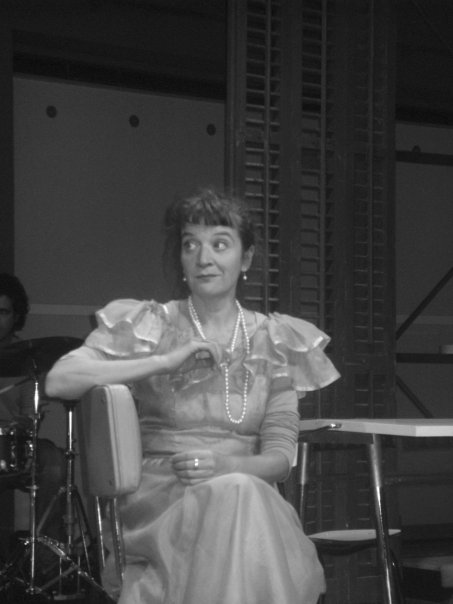
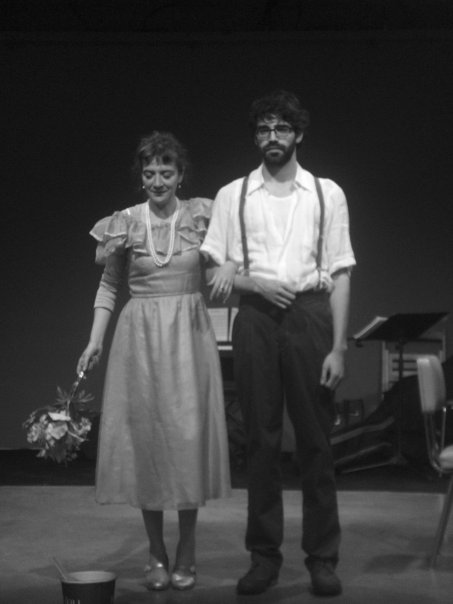
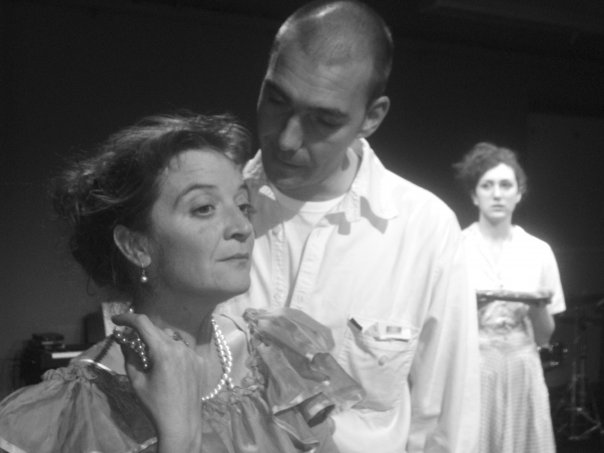
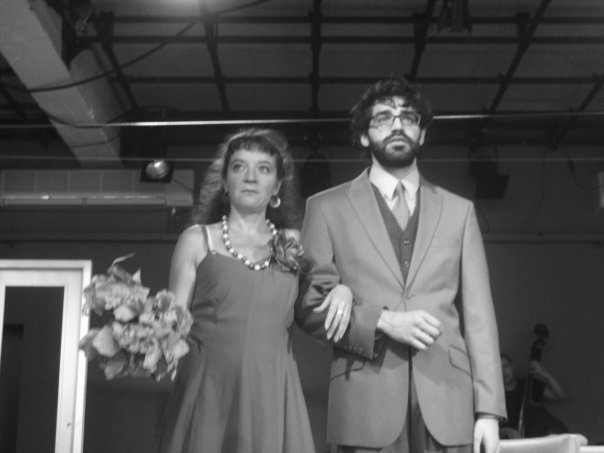
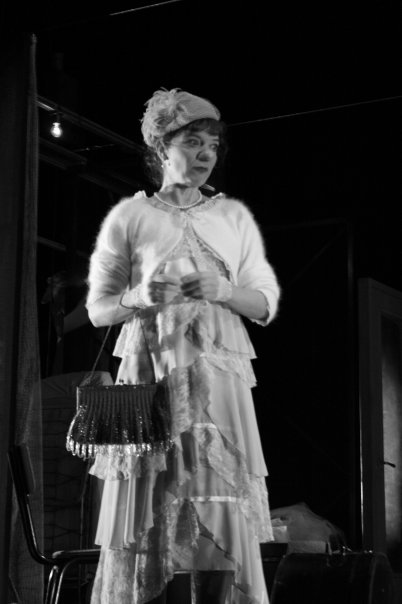
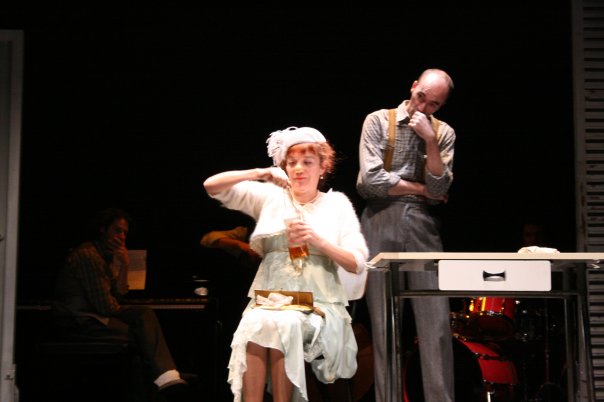
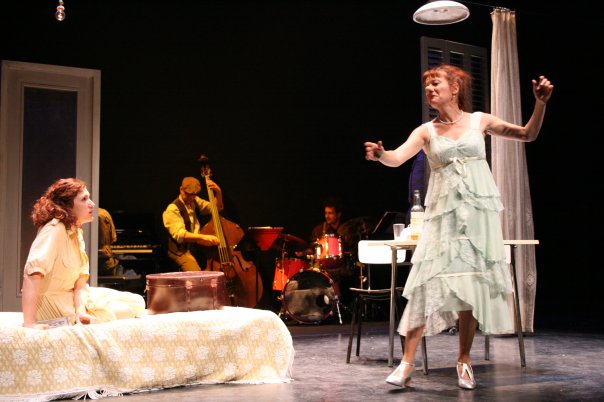
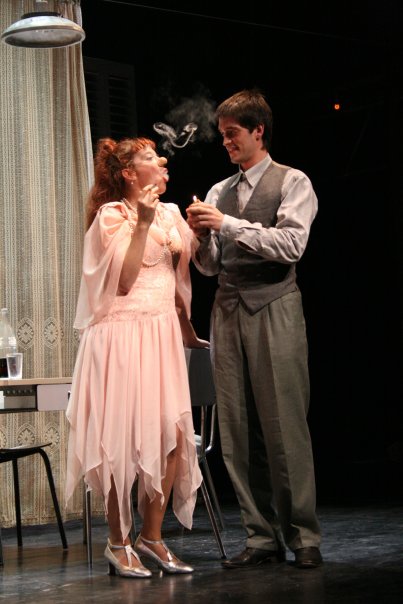
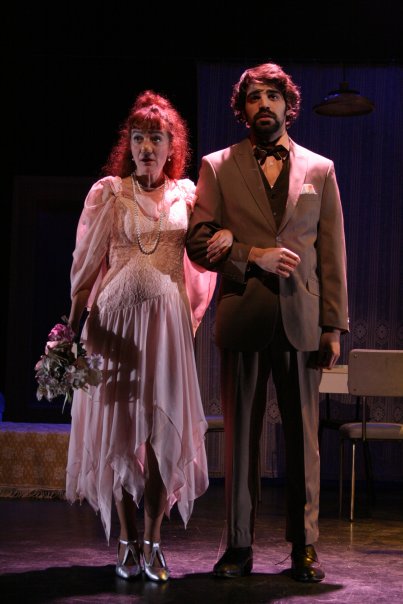
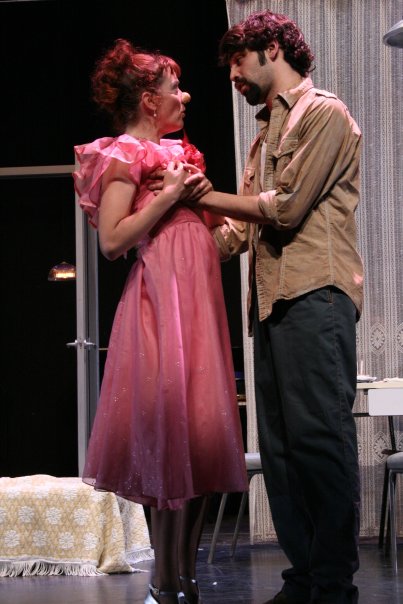
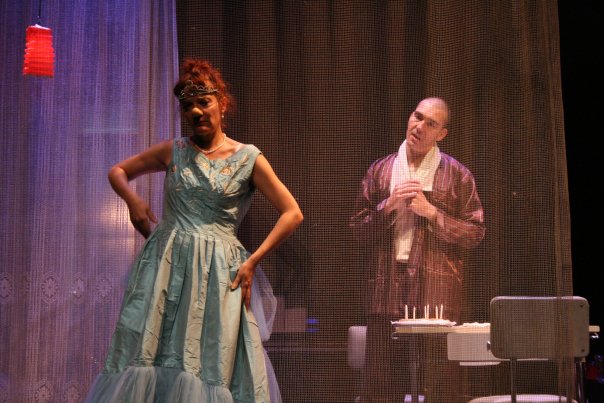
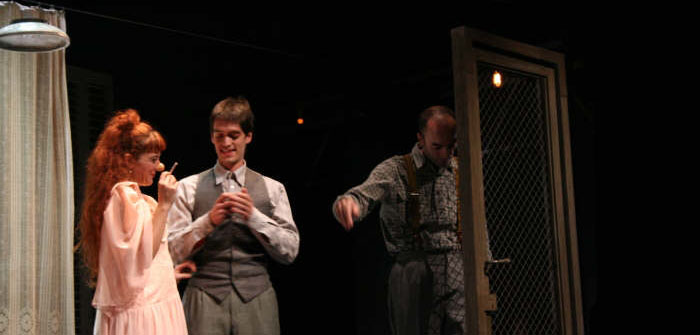
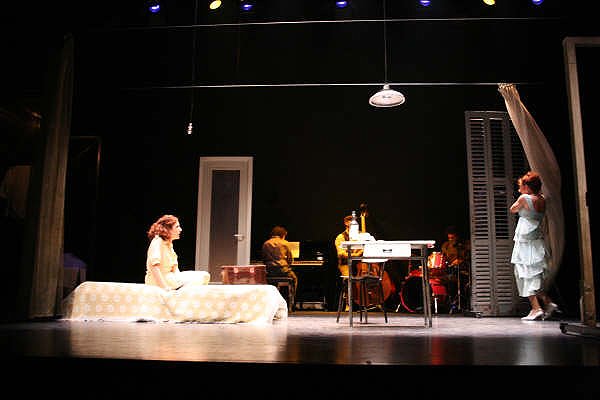
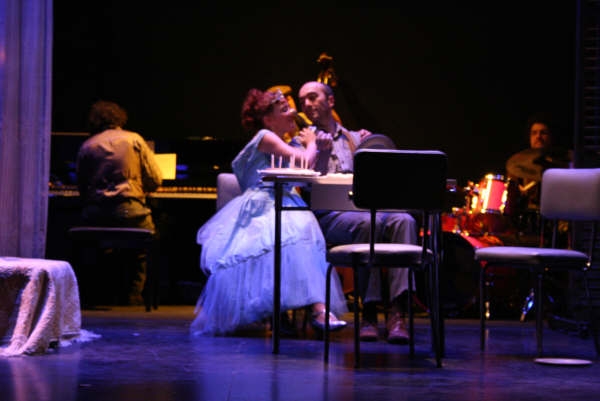
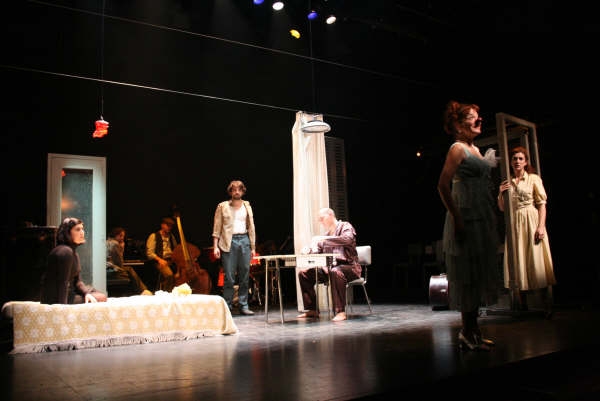
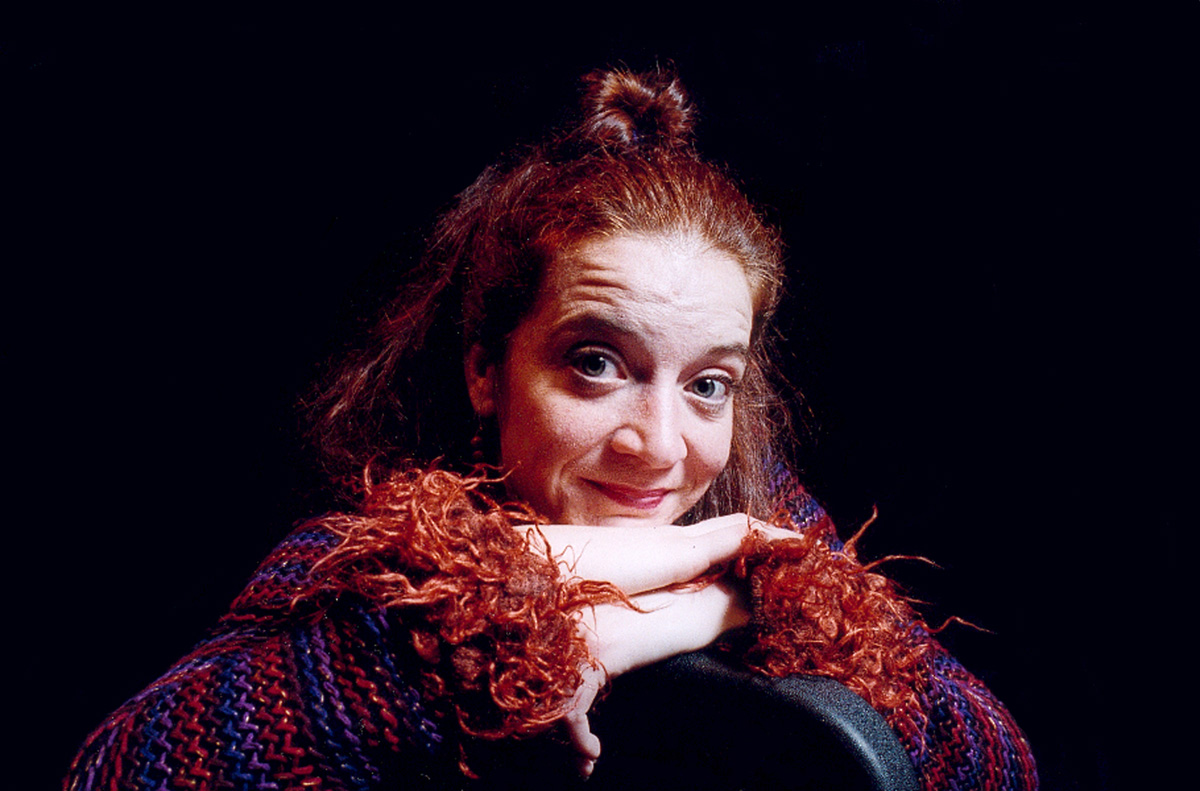
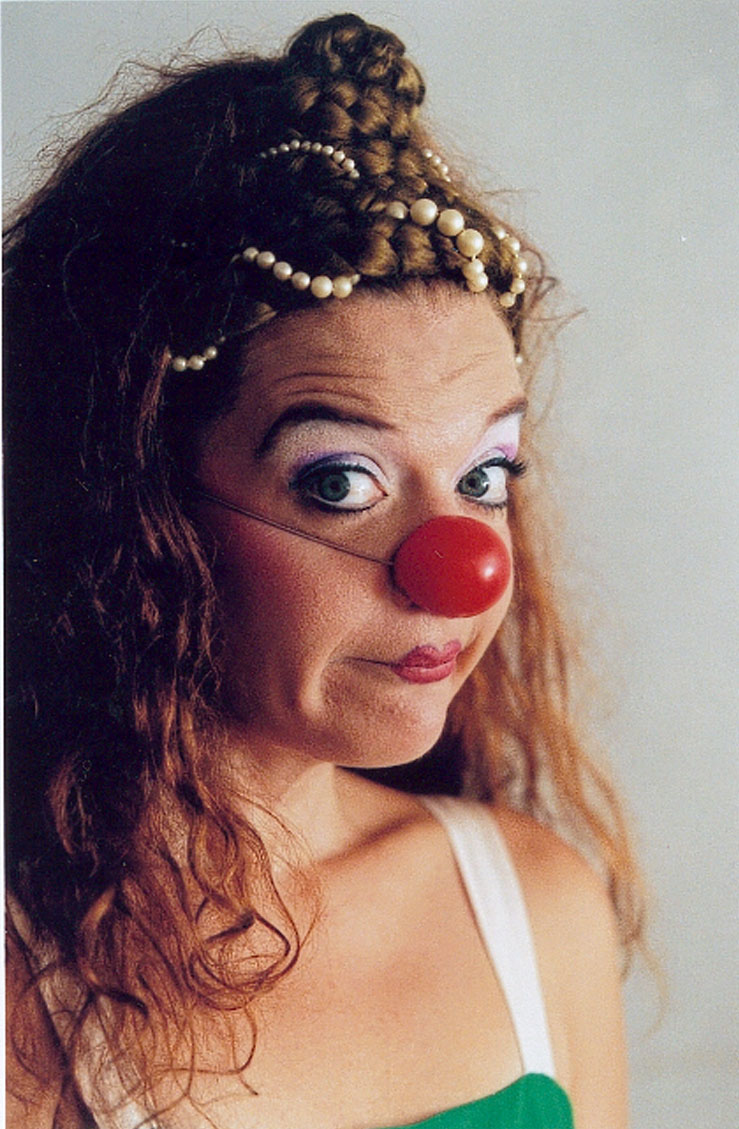
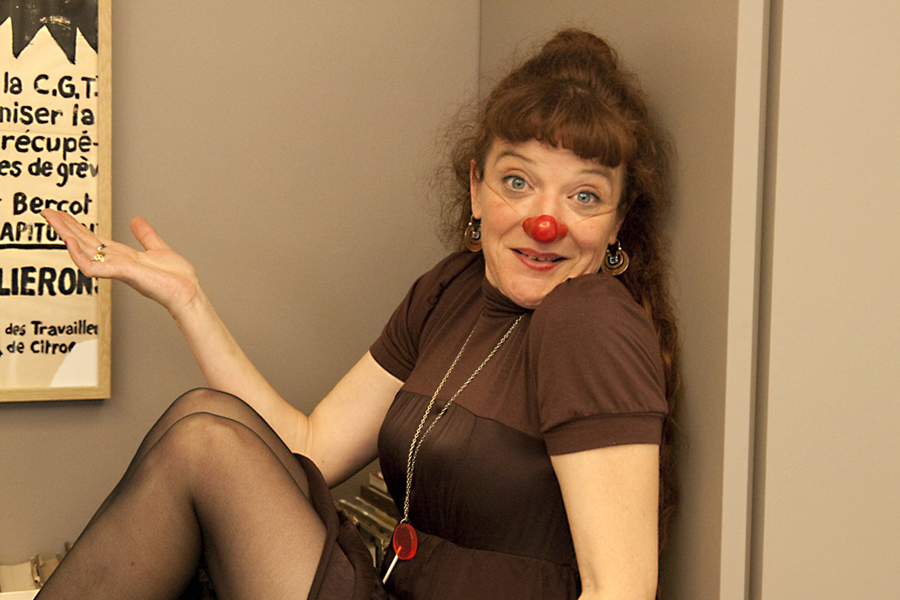
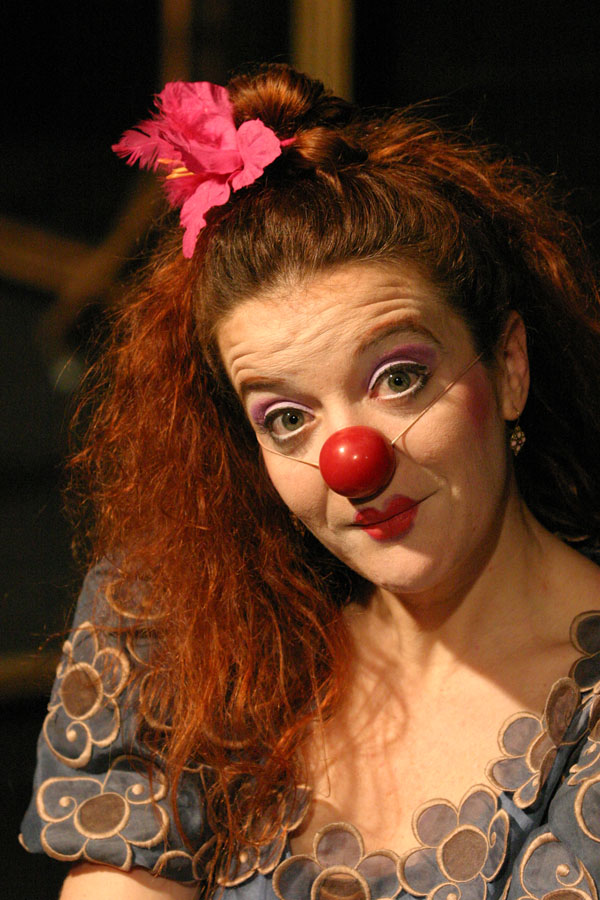
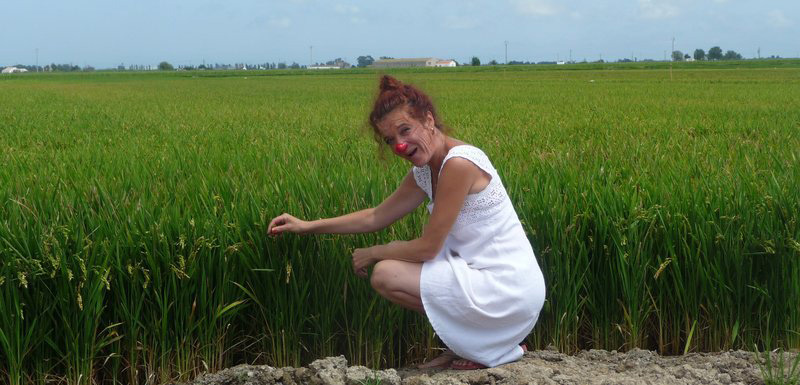
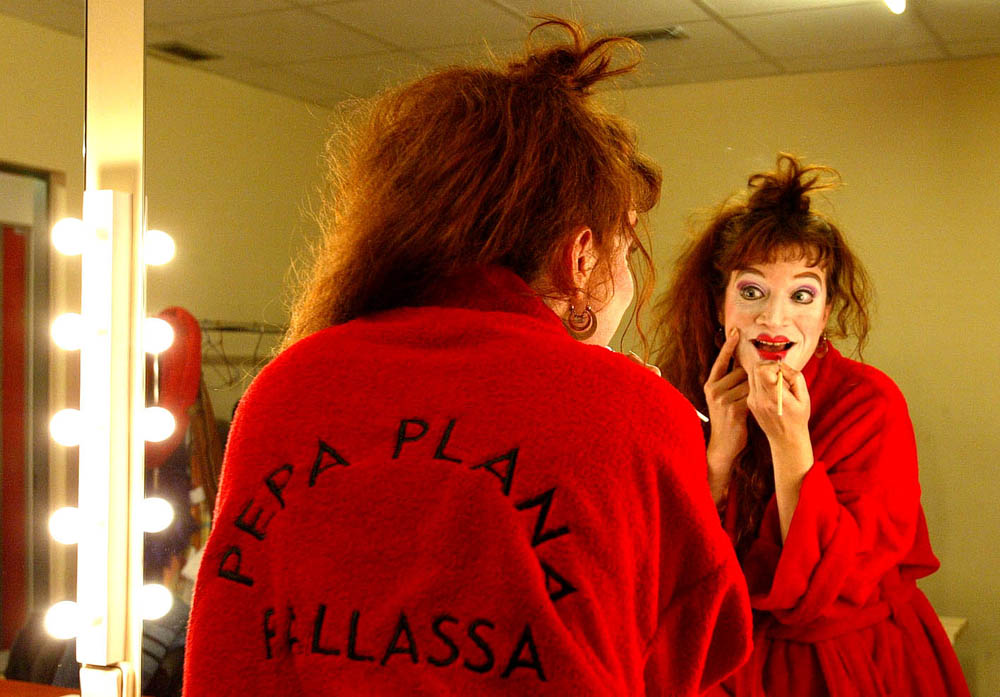
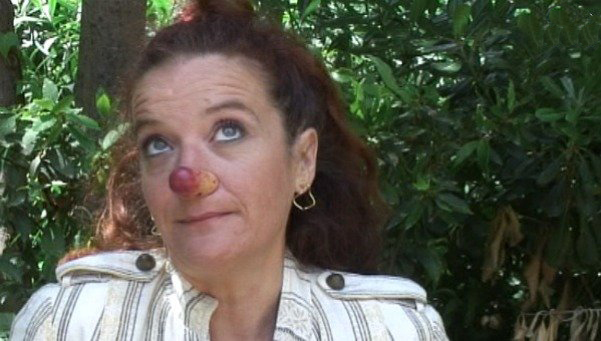
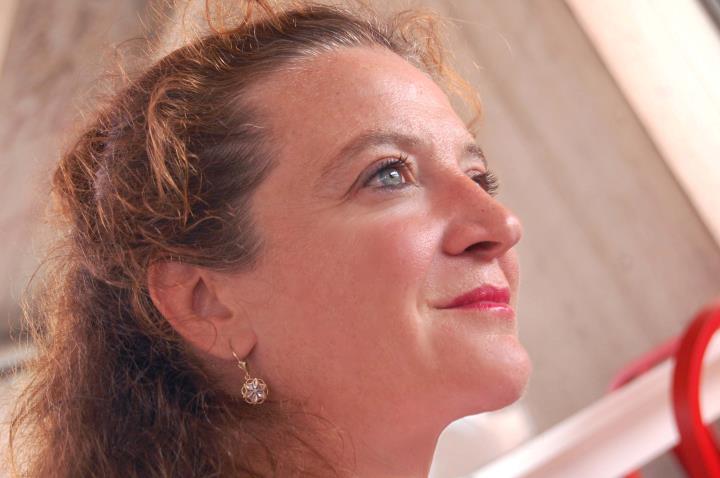
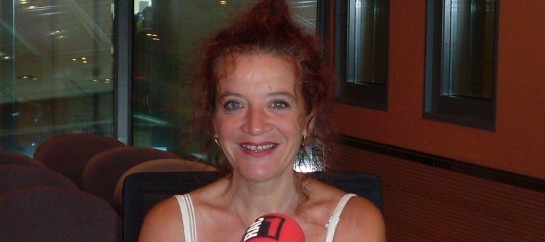
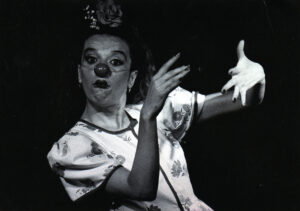
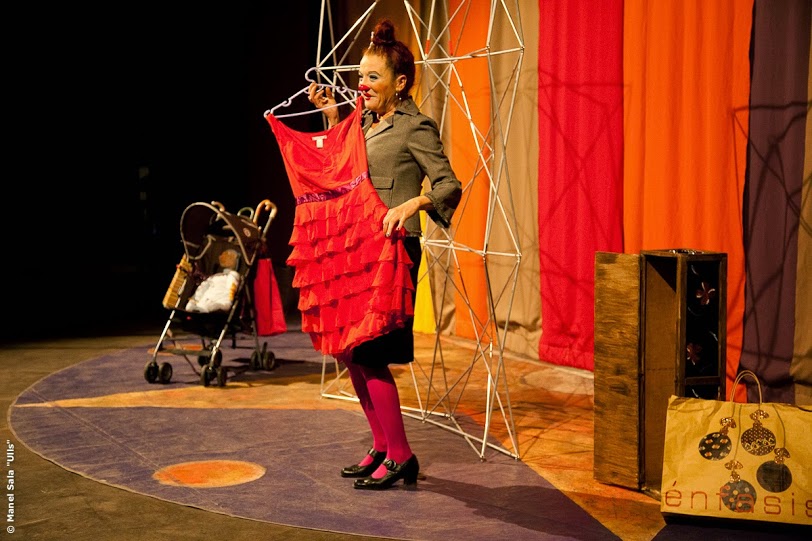
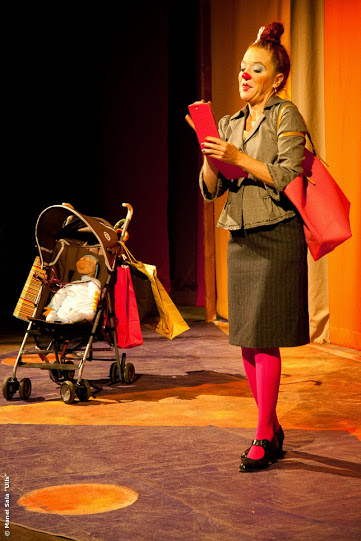
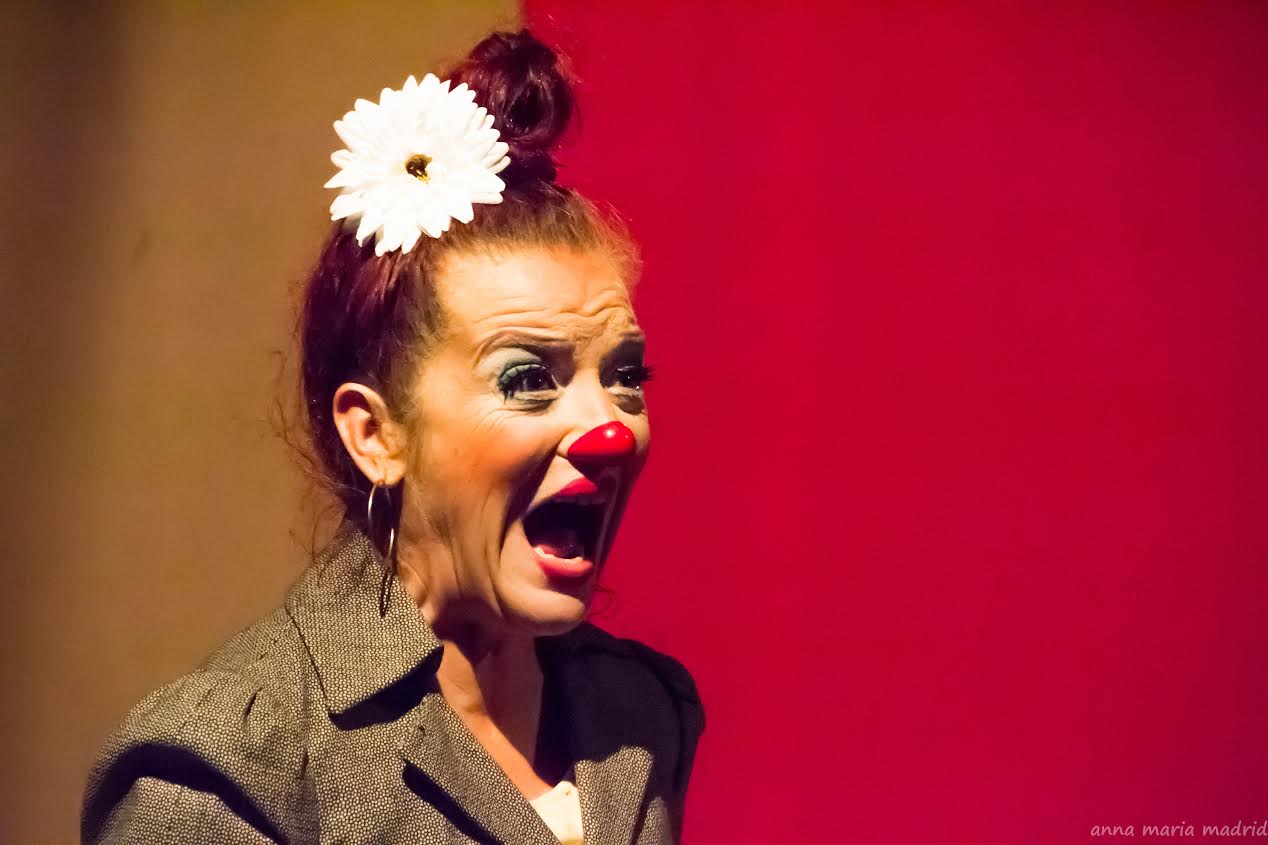
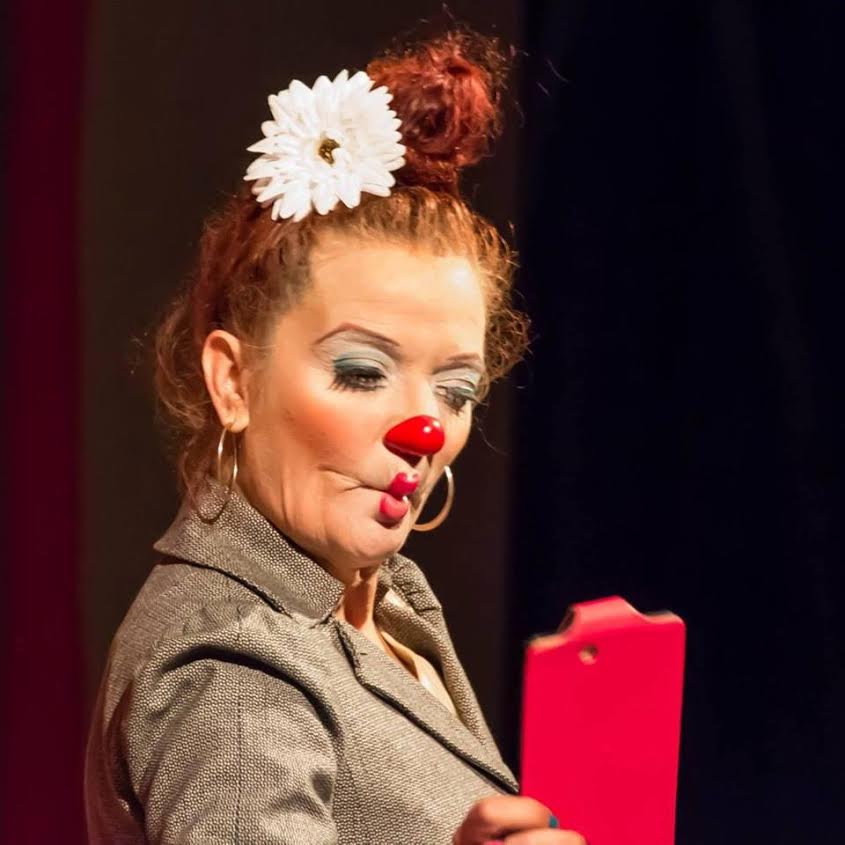
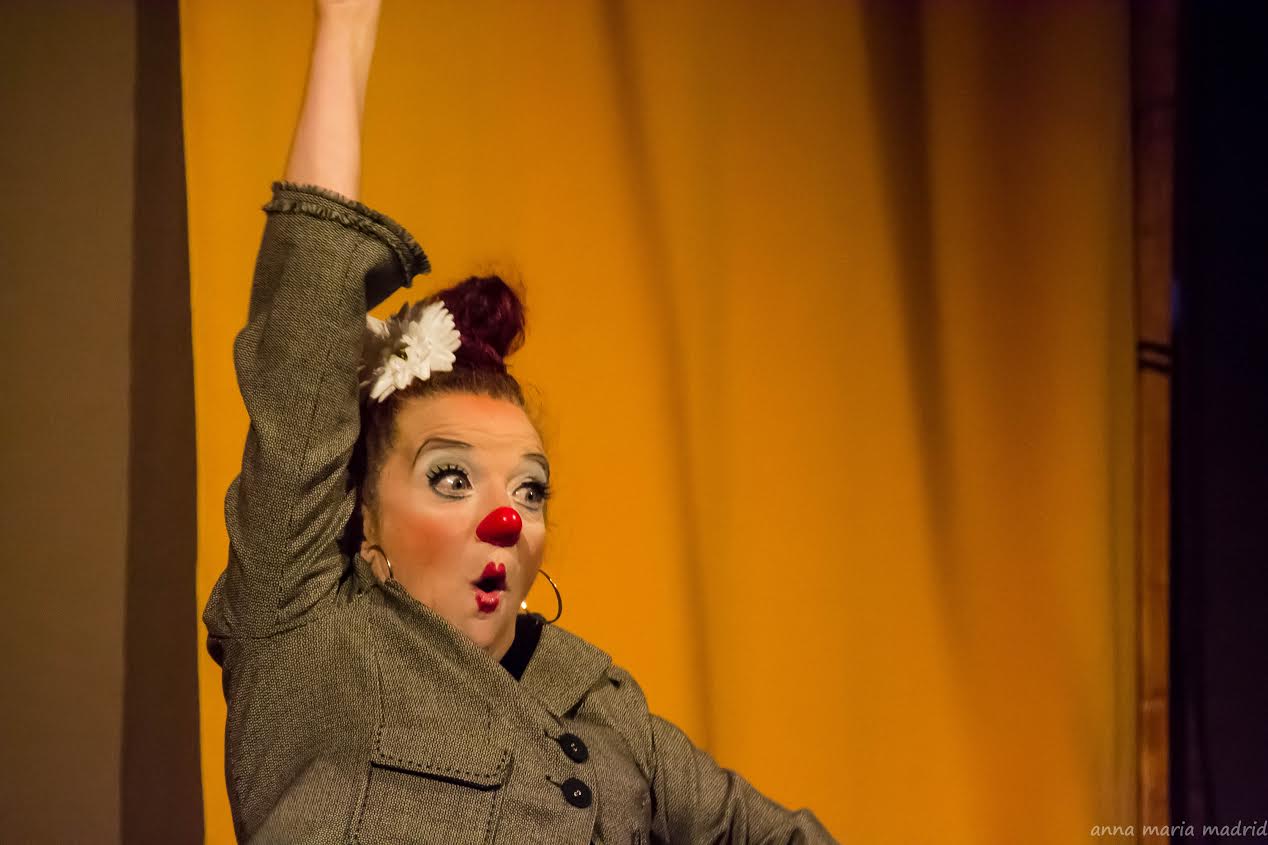
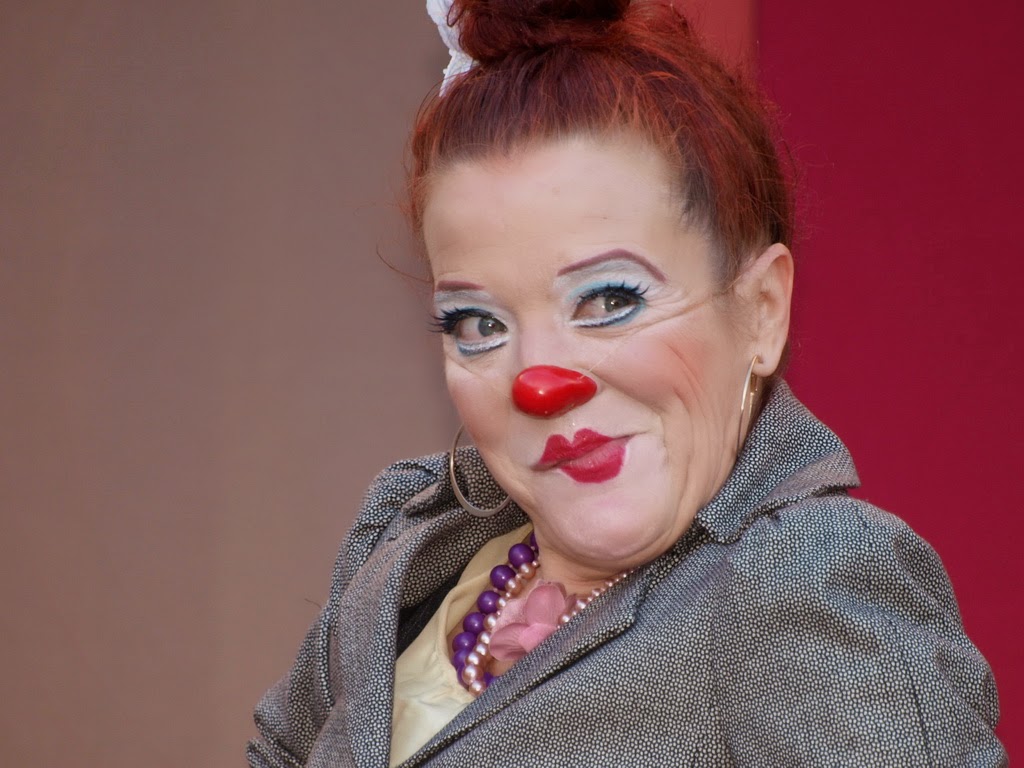
Pepa Plana, Catalan actress and clown, born in Valls, Tarragona, on May 2, 1965, is a national reference in the genre for the quality of her shows and for her contribution to the visualization of clowns, standing out as one of the European figures.